

Saint Remaclus
Building profile
Historic/listed monument
Practical information


 © Églises Ouvertes
 © Églises Ouvertes
 © Églises Ouvertes
 © Églises Ouvertes
 © Églises Ouvertes
 © Églises Ouvertes
 © Églises Ouvertes
 © Églises Ouvertes
 © Églises Ouvertes
 © Églises Ouvertes
 © Églises Ouvertes
 © Églises Ouvertes
 © Églises Ouvertes
About this building
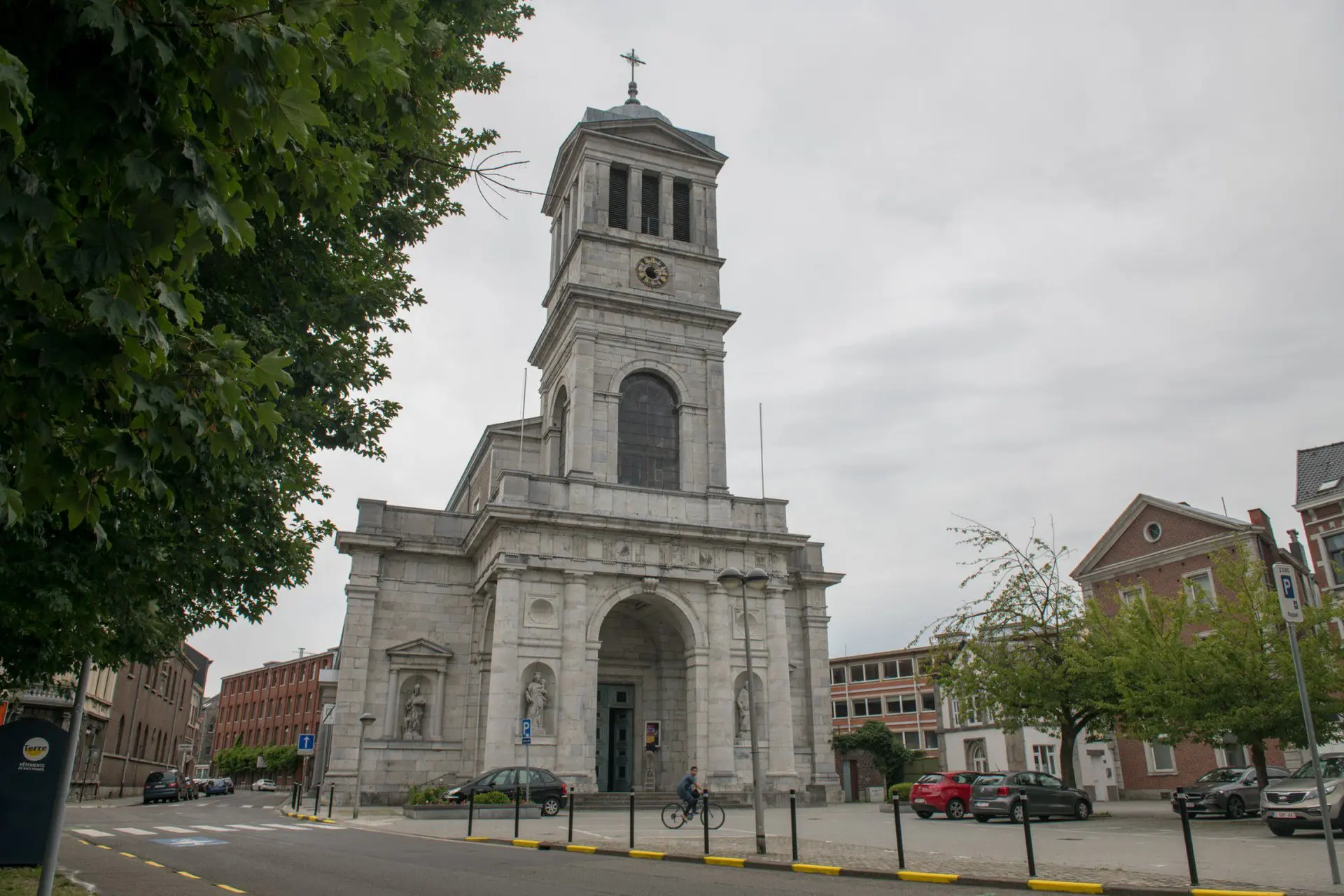
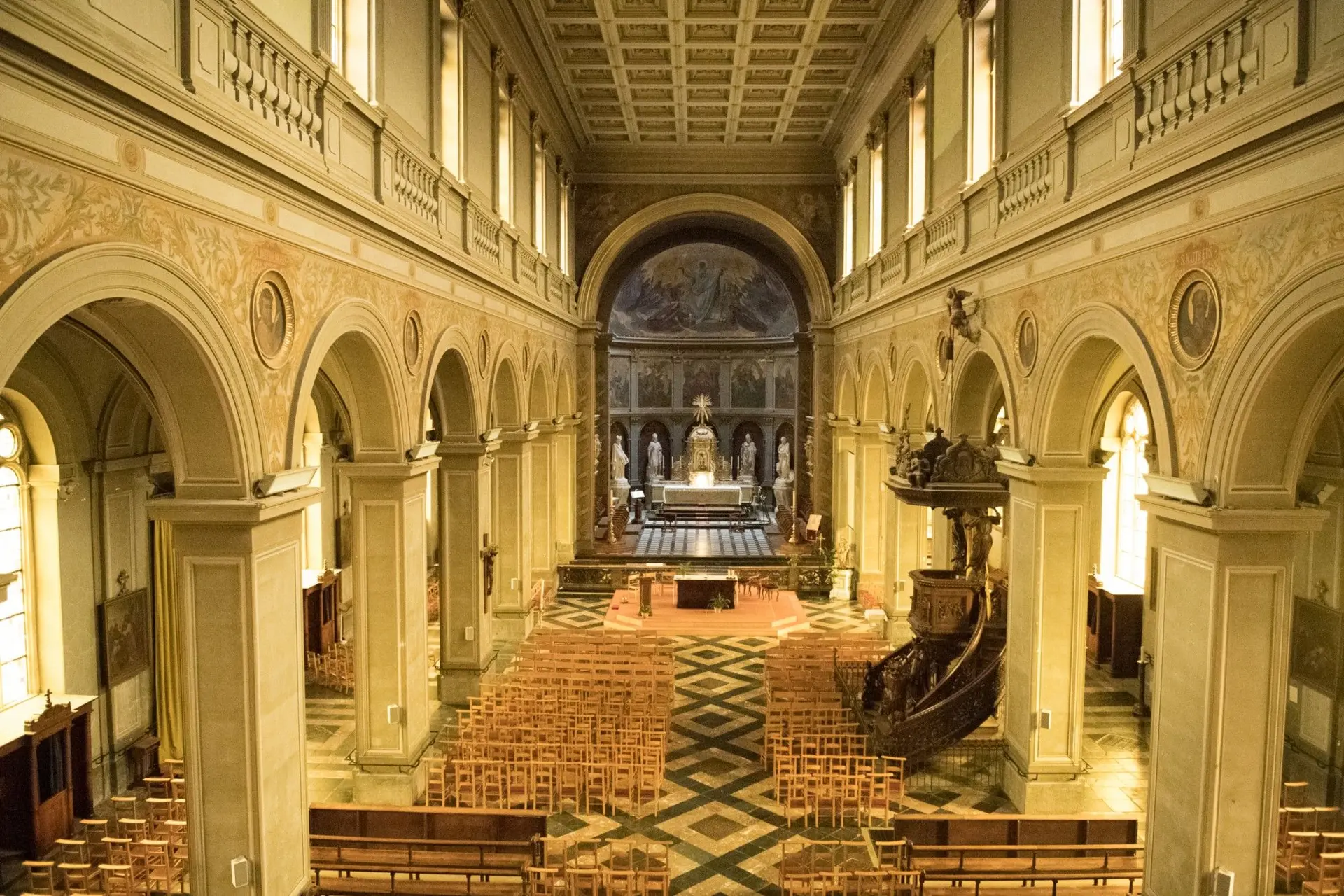
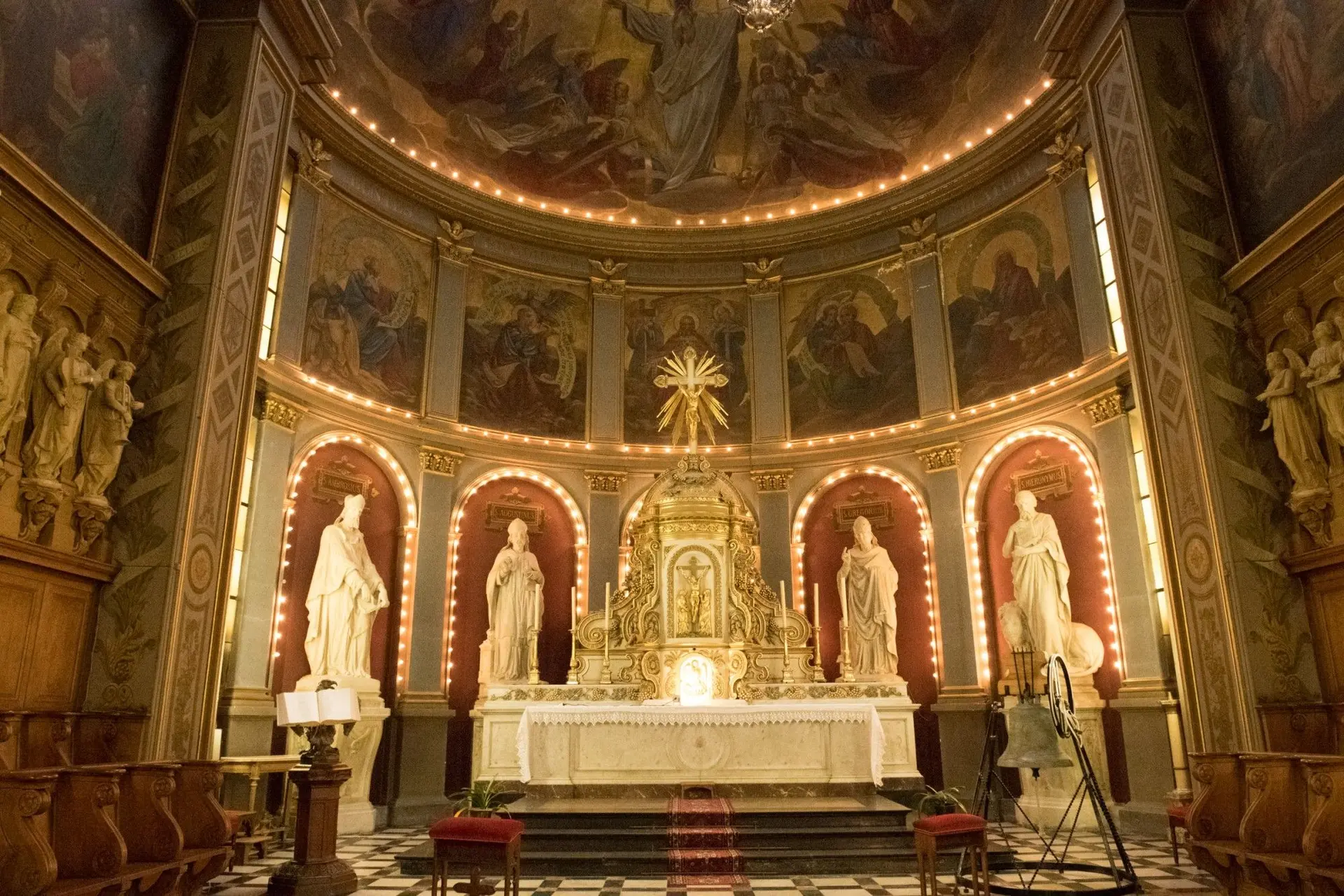
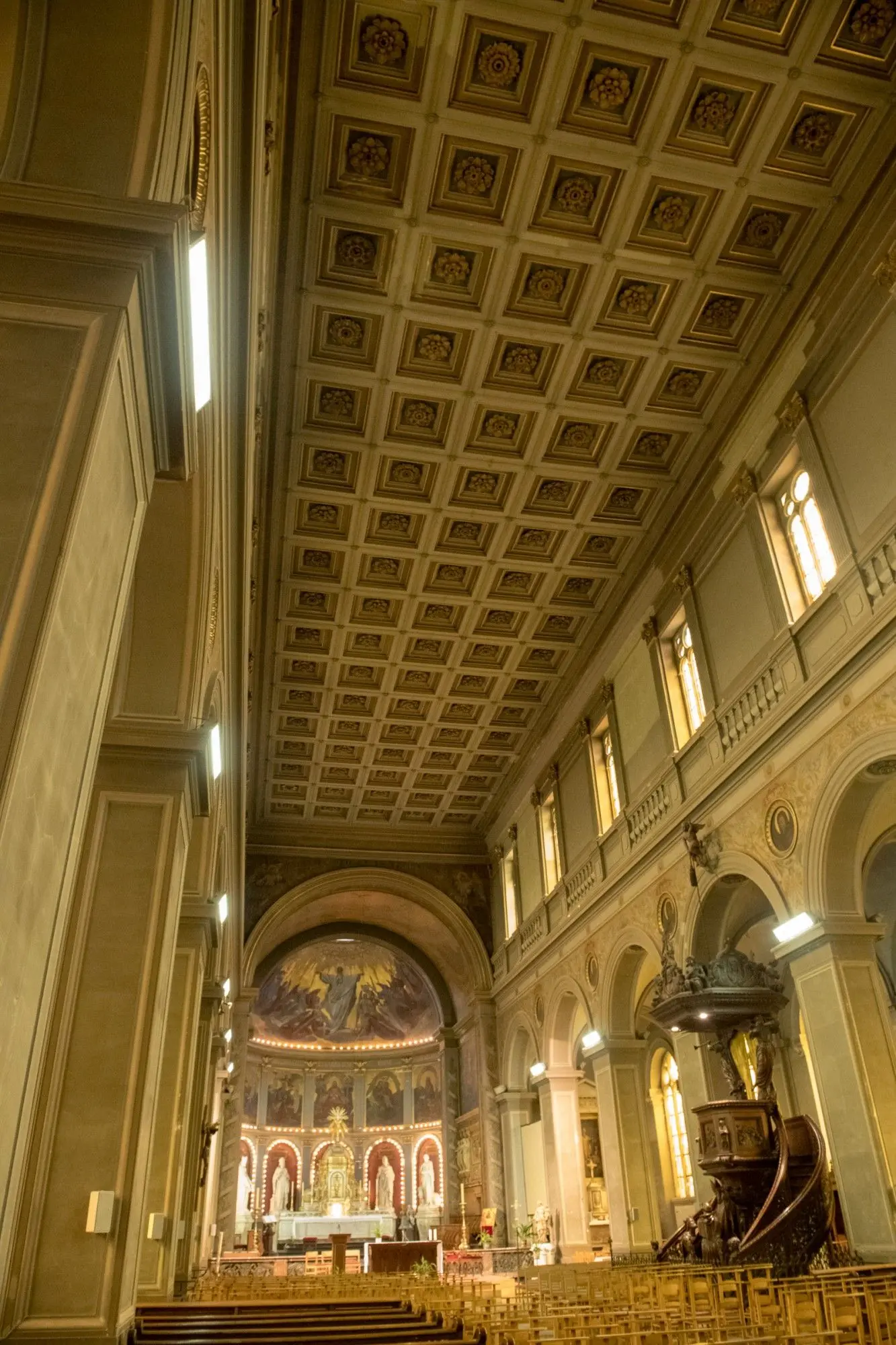
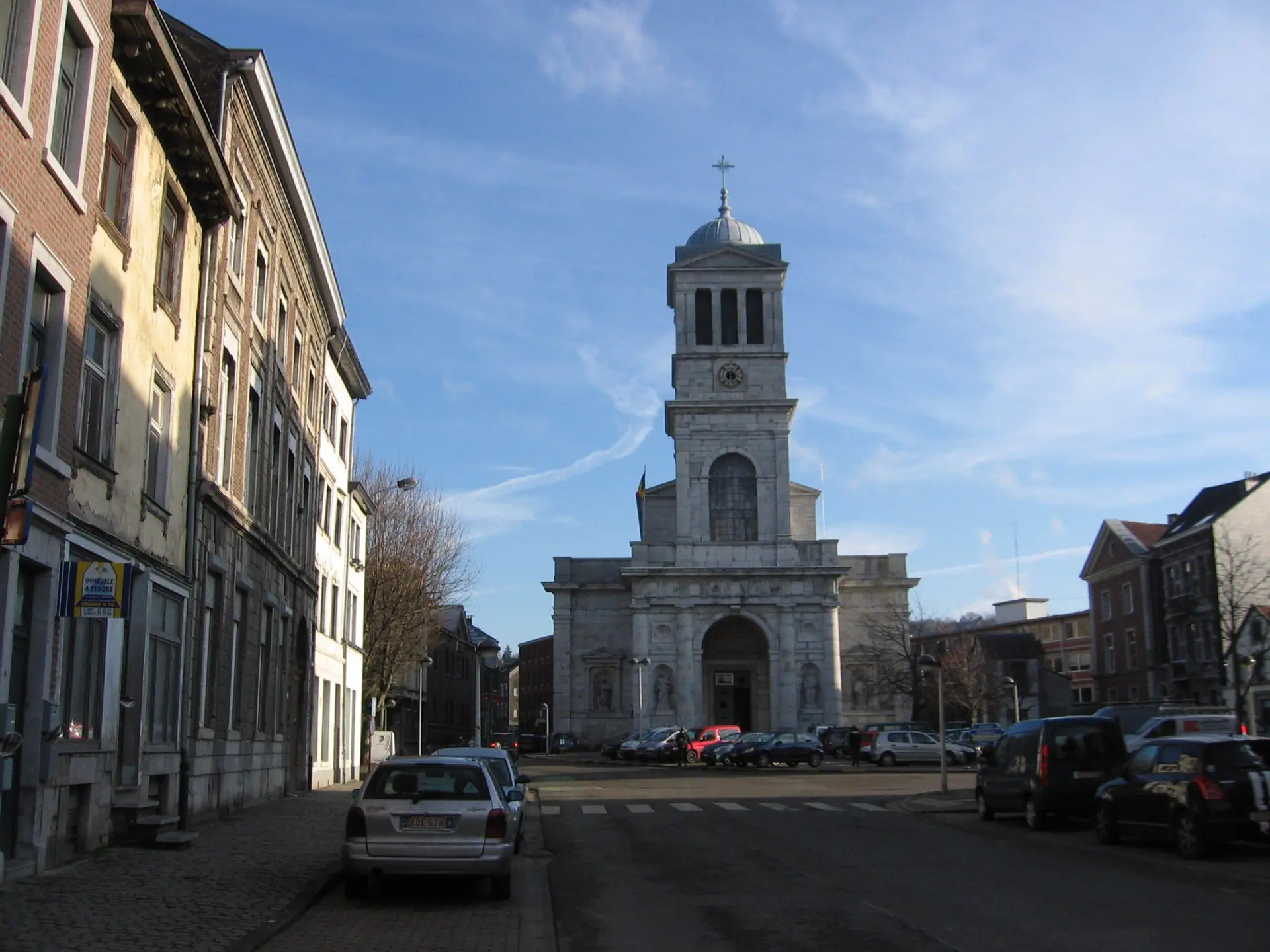
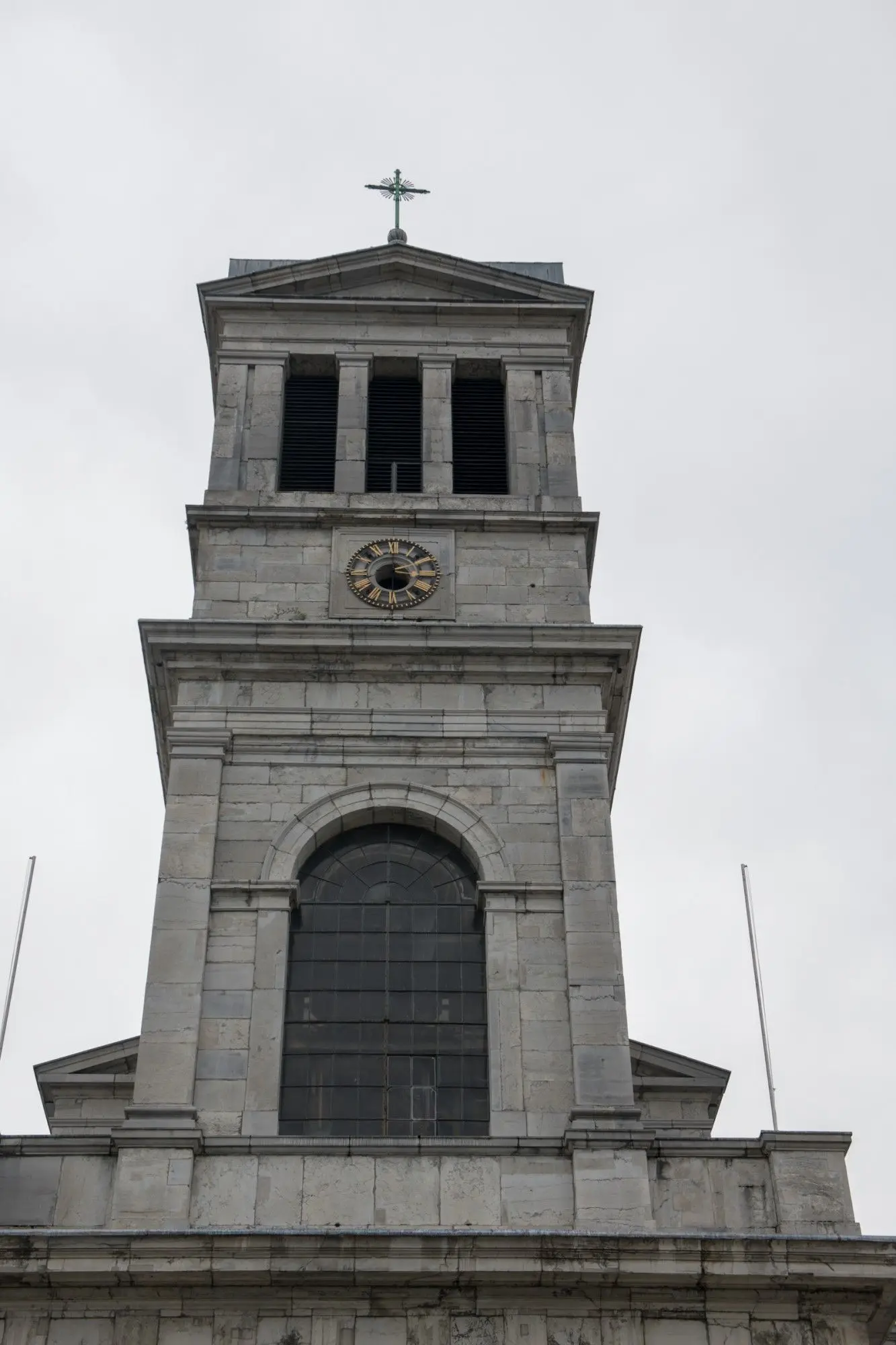
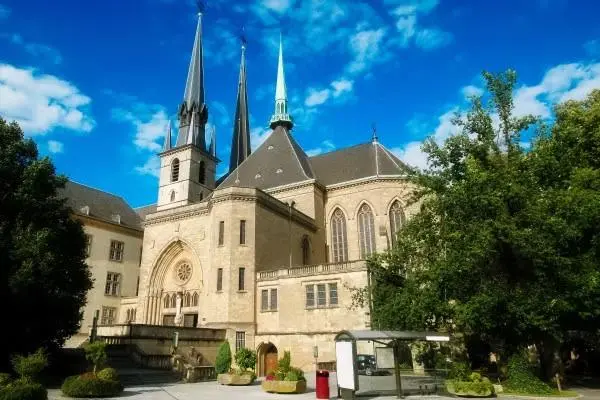
This monumental building, inspired by the architecture of Roman basilicas, was built at the beginning of the 19th century thanks to the patronage of wealthy industrialists at a time when the town prospered in wool and textiles. The designers clearly wanted to provide their town with a prestigious building of class.
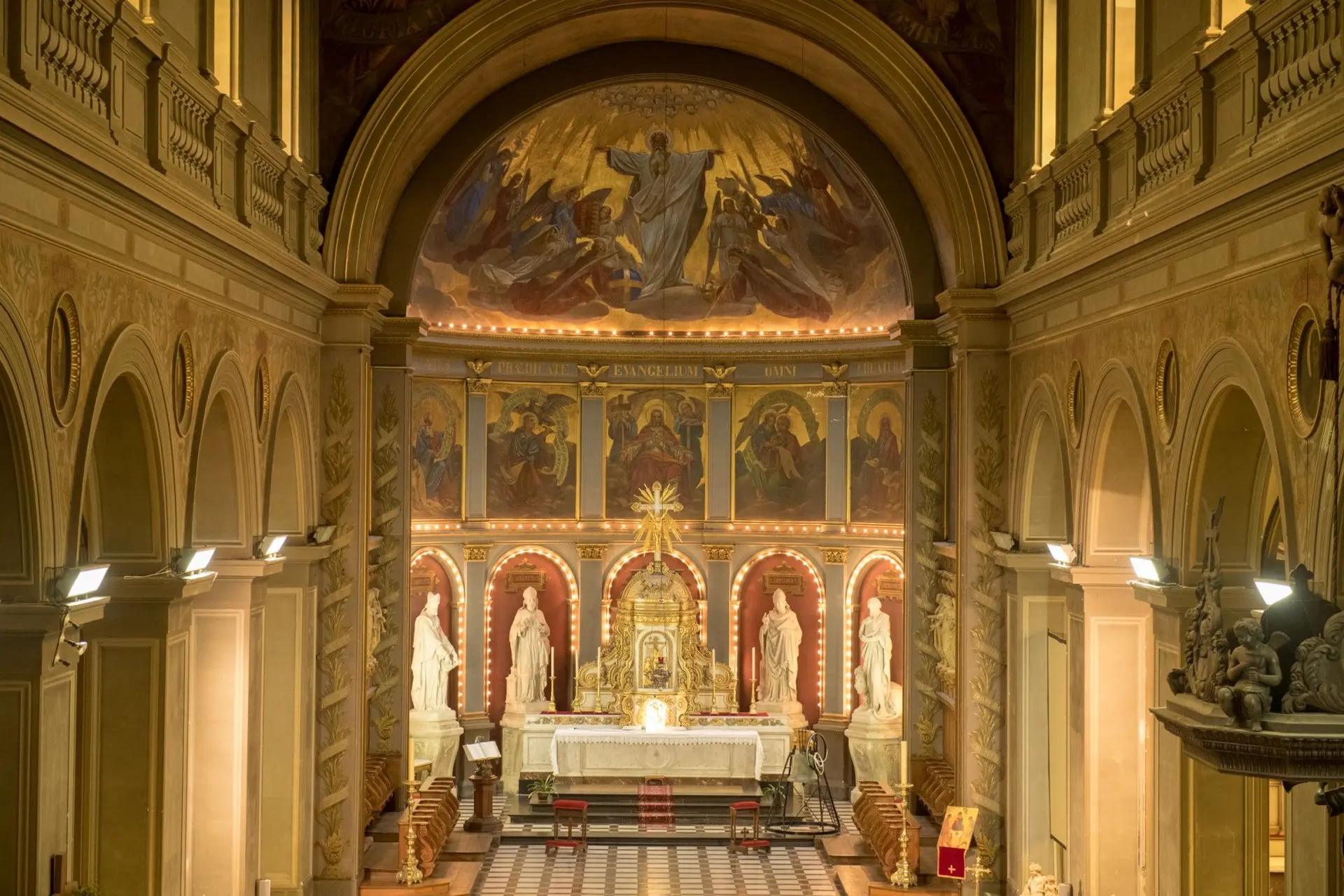
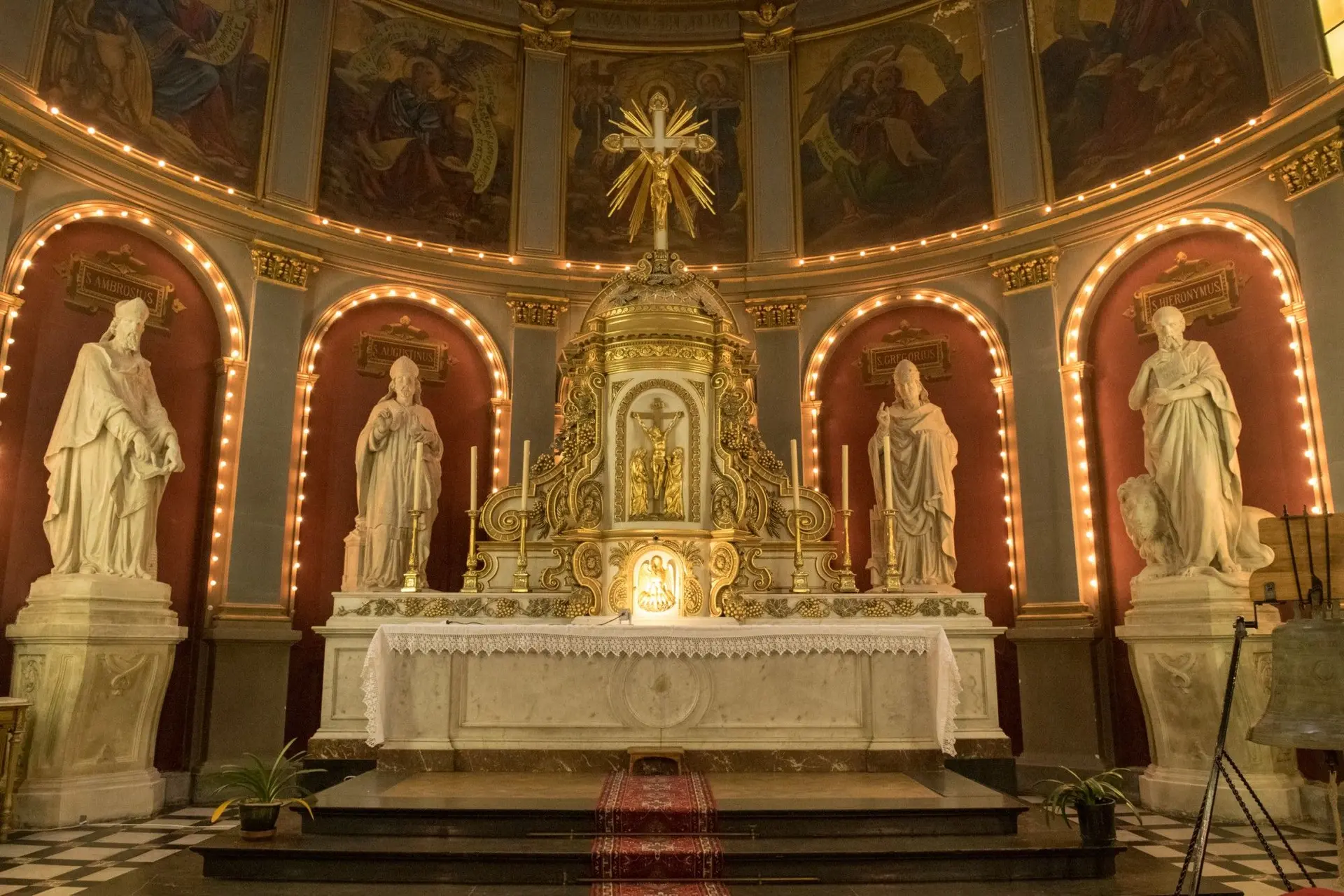
The choir is impressive: the imposing high altar in marble surrounded by 4 large stone statues representing the Church Fathers (Ambrosius, Augustine, Gregory and Jerome); oak stalls, paintings on the…
This monumental building, inspired by the architecture of Roman basilicas, was built at the beginning of the 19th century thanks to the patronage of wealthy industrialists at a time when the town prospered in wool and textiles. The designers clearly wanted to provide their town with a prestigious building of class.
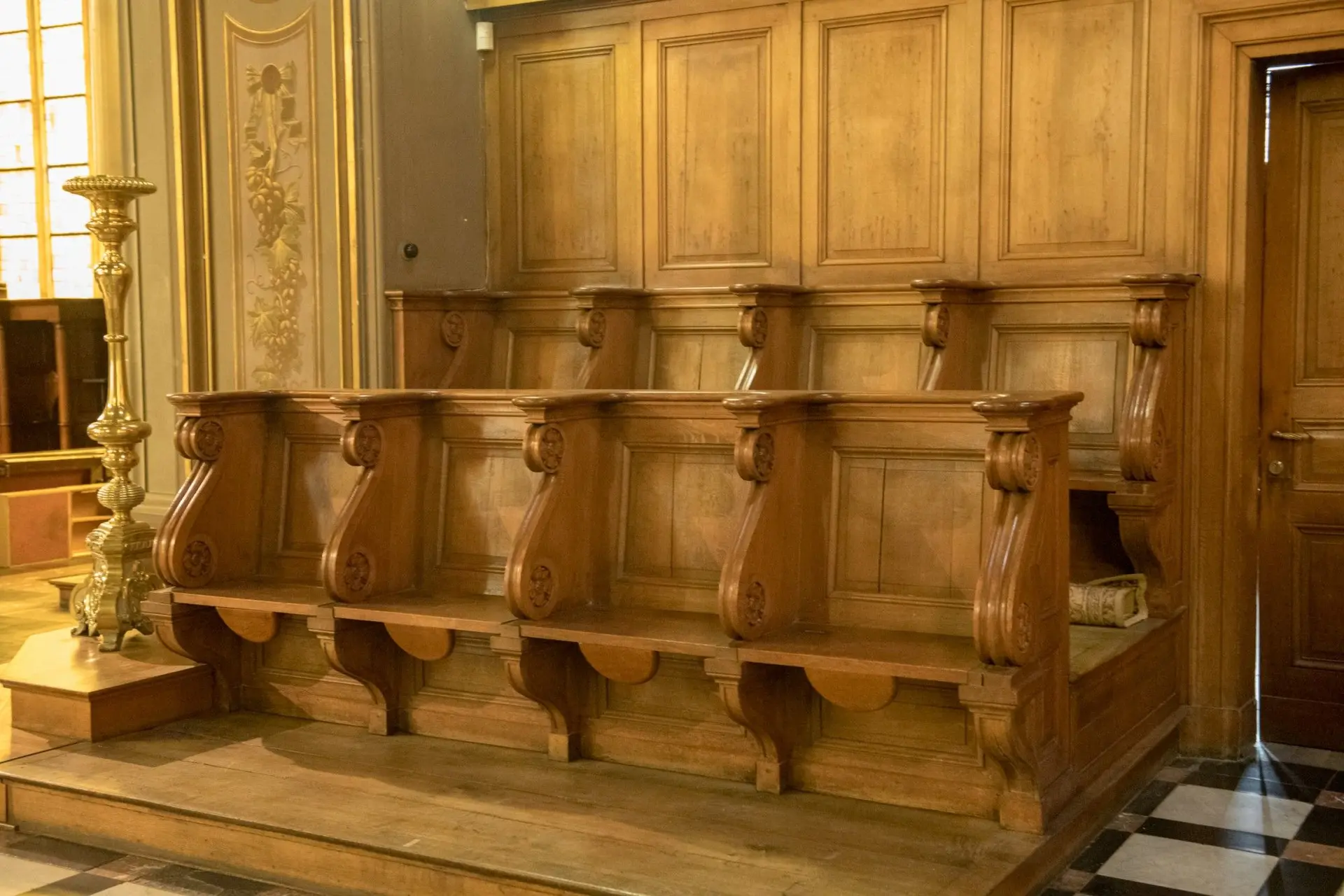
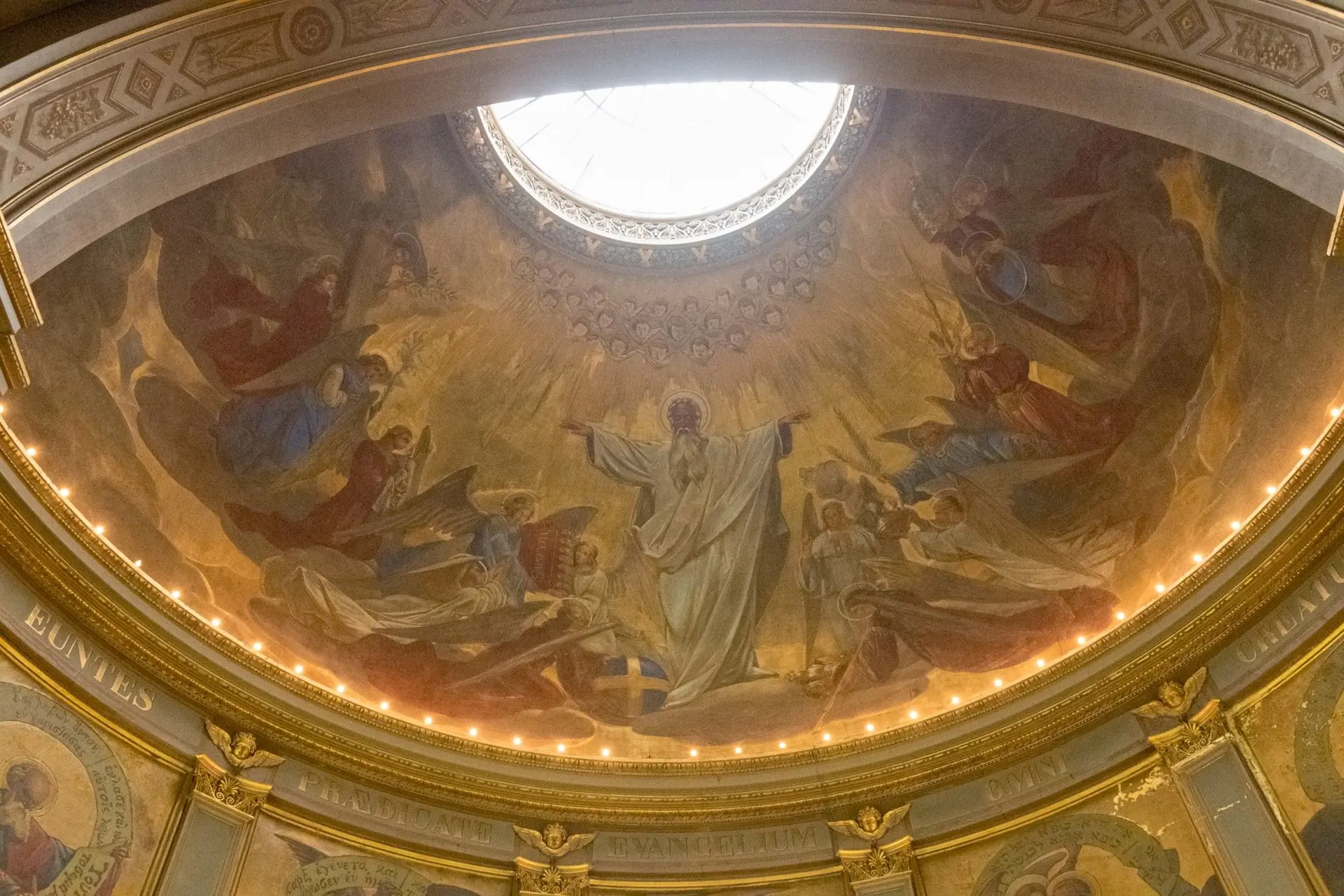
The choir is impressive: the imposing high altar in marble surrounded by 4 large stone statues representing the Church Fathers (Ambrosius, Augustine, Gregory and Jerome); oak stalls, paintings on the walls and ceiling.
The generous patrons, Edoaurd and Raymond Biolley who contributed a great deal to the erection of the building evidently wanted to be recognised, if indirectly, for this. A painting in the choir depicts Raymond, the patron saint of Biolley industries with the arms of the donor in the corner. Another noticeable indication of these same donors: the magnificent carved oak pulpit at the foot of which is a sculpture, again, of Saint Raymond and Saint Edward who are presenting a plan of the church to Saint Remaclus as though the industrialists were asking for his approval.
Behind this pulpit is a statue of saint Remaclus dating from 1693 and leaning against the column supporting the rood loft is a statue of Saint Severus the patron of weavers, essential for a town dedicated to textiles for so long.
KIKIRPA : Photo-library online
www.facebook.com/CCSRVerviers/
Reportage OCD 2022 (FR)
Remarkable elements

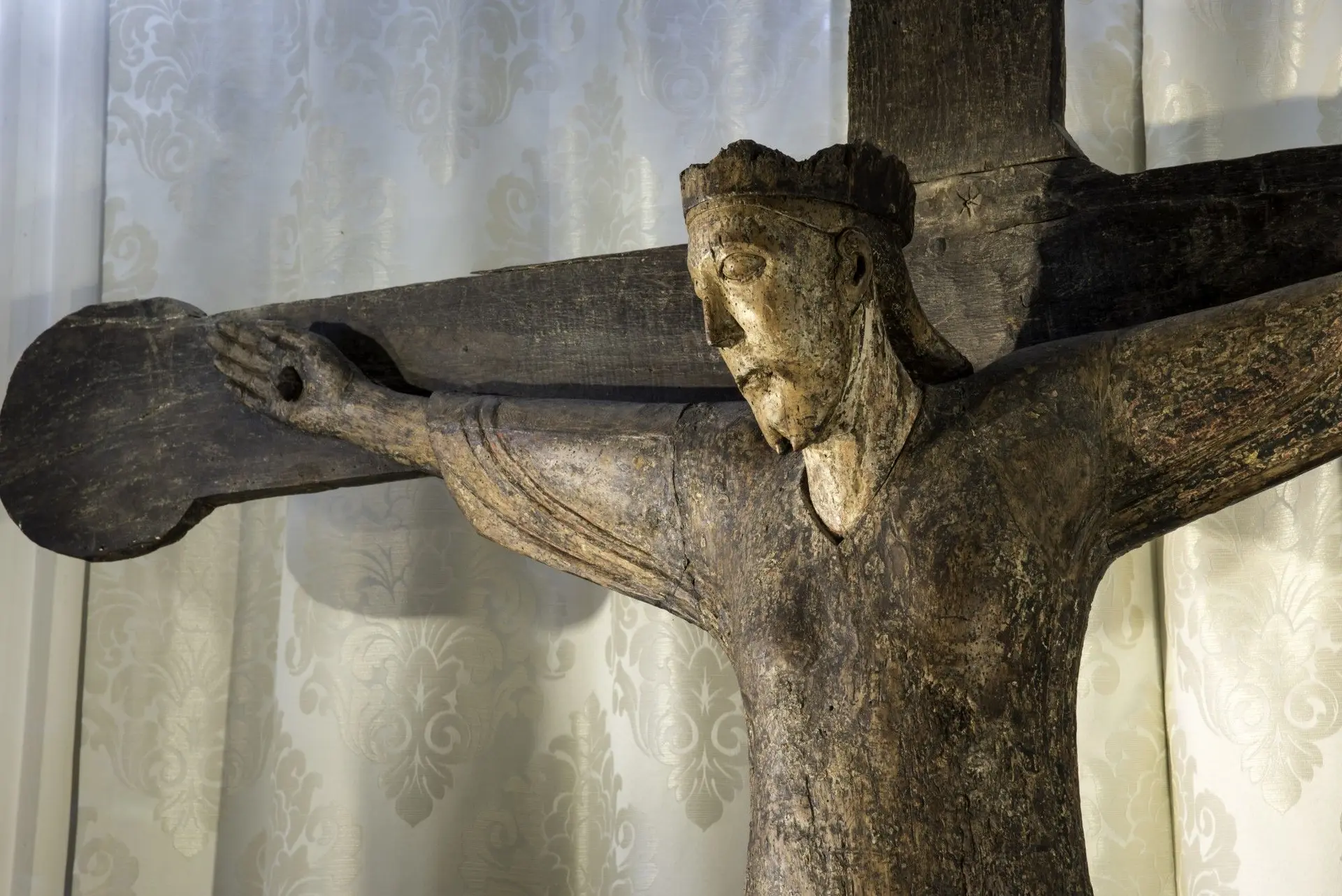
Christ on the cross
In the central aisle on a column facing the pulpit, this Christ in oak, unfortunately with its…
In the central aisle on a column facing the pulpit, this Christ in oak, unfortunately with its polychrome scoured,dates from the end of the Gothic period (around 1500). It is characterised by its realism and a certain rigidity of the crucified.
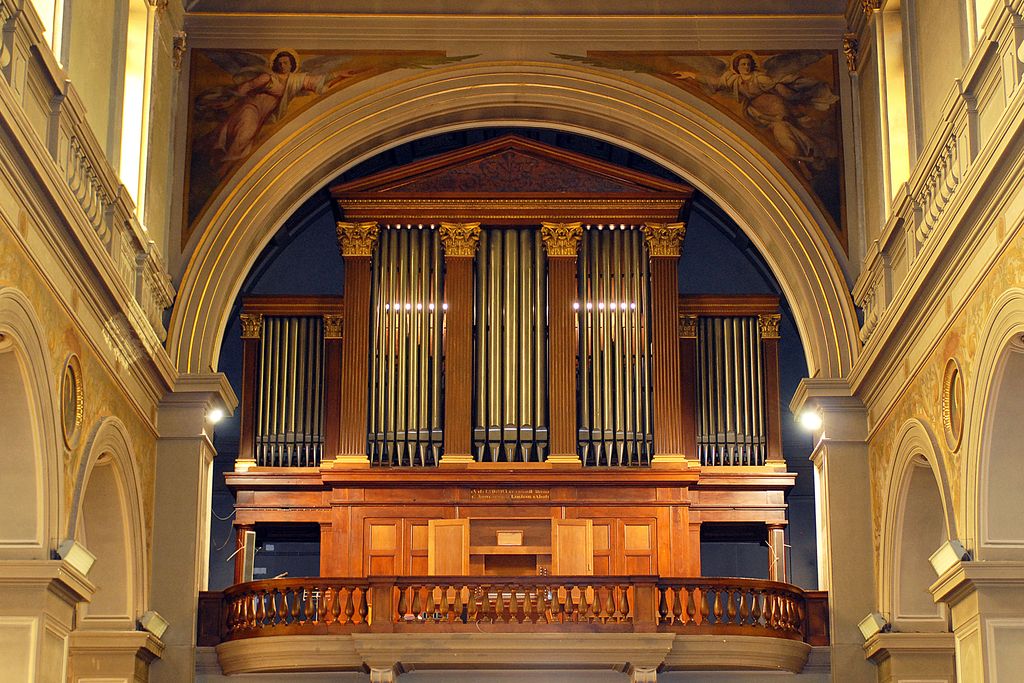
Organ
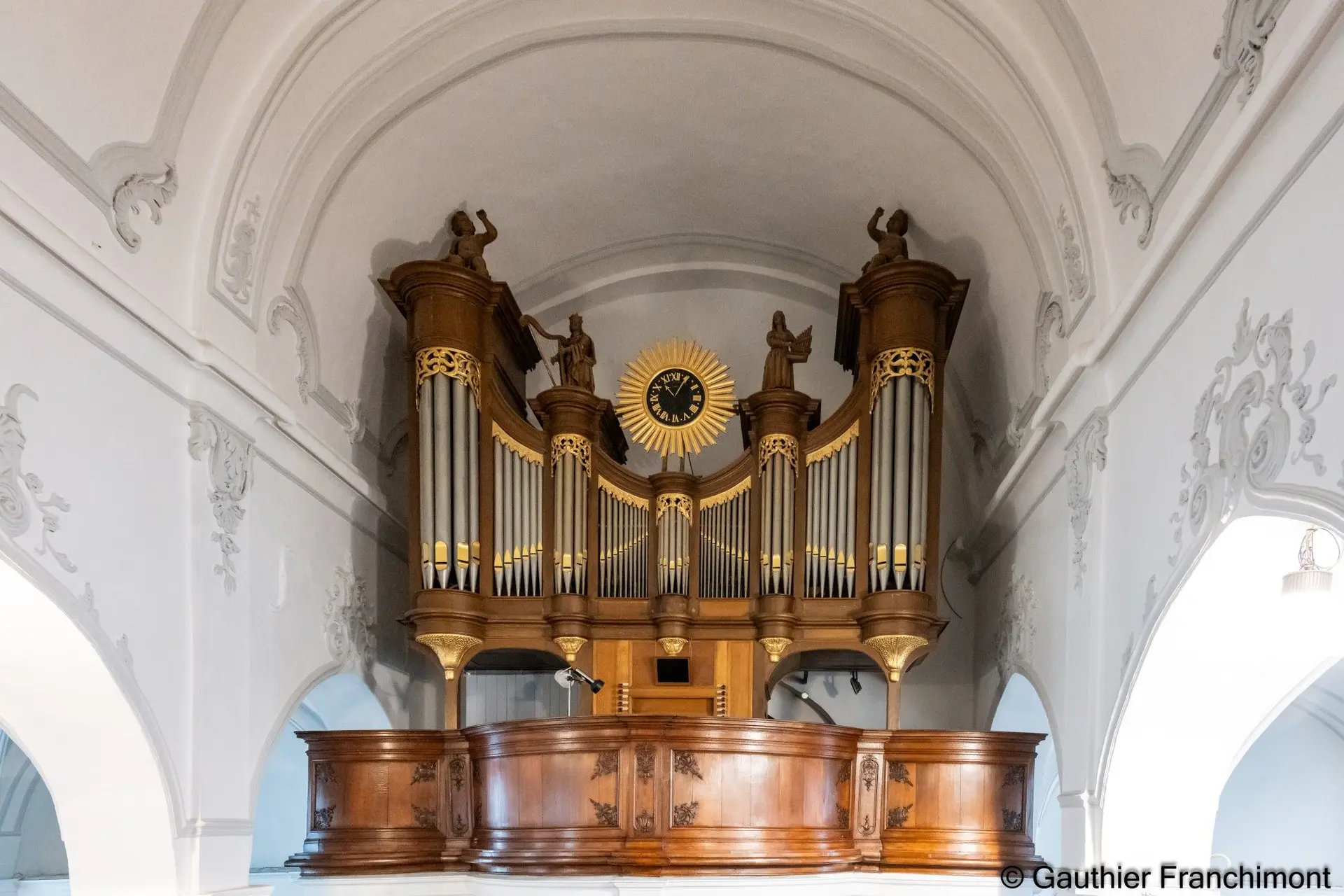
Donations around 1839-1841 allowed the installation of this imposing neo-classic instrument from…
Donations around 1839-1841 allowed the installation of this imposing neo-classic instrument from the workshops of Korfmacher at Linnich near Aix –la- Chapelle; Modified in 1881 and in 1910,renovated in 1968, specialists are now pleading with all their hearts for a complete revision.
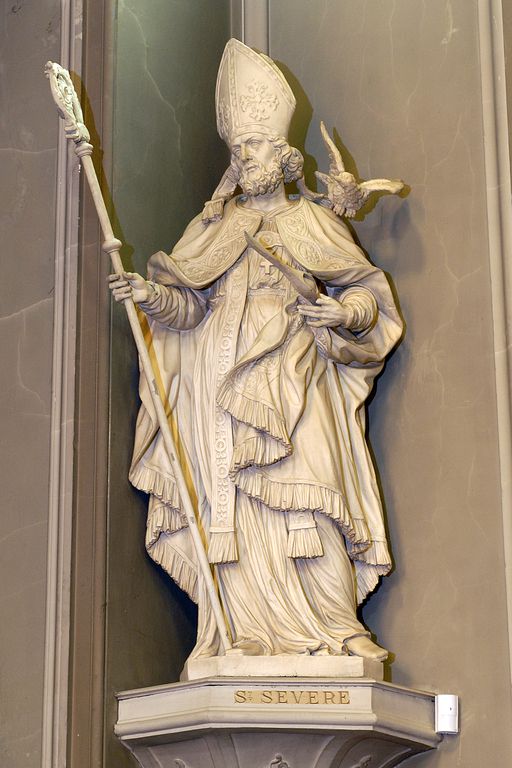
Statue of Saint Severe
Leaning against the pillar supporting the rood screen on the left, this painted wood statue…
Leaning against the pillar supporting the rood screen on the left, this painted wood statue comes from the old church. The work of the Liege sculptor, Robert Verburg, it was ordered in 1703 and paid for by contributions. Sévère holds a shuttle in his left hand as he is the patron saint of weavers and he had to be in a church in Verviers to testify to the importance of weaving from 1703.
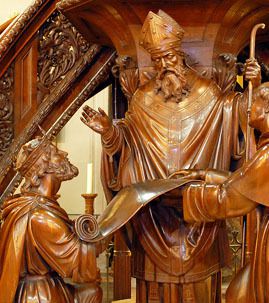
Pulpit
In massive oak (from Tombay around 1862), a gift of the Biolley family.At the foot of the…
In massive oak (from Tombay around 1862), a gift of the Biolley family.At the foot of the pulpit, Saint Edward the confessor on the left and Saint Raymond Nonnat on the right present a design to Saint Remacle. In such a way, Edward, the junior, and Raymond, the senior, of this great, industrial family of Verviers are recalled.
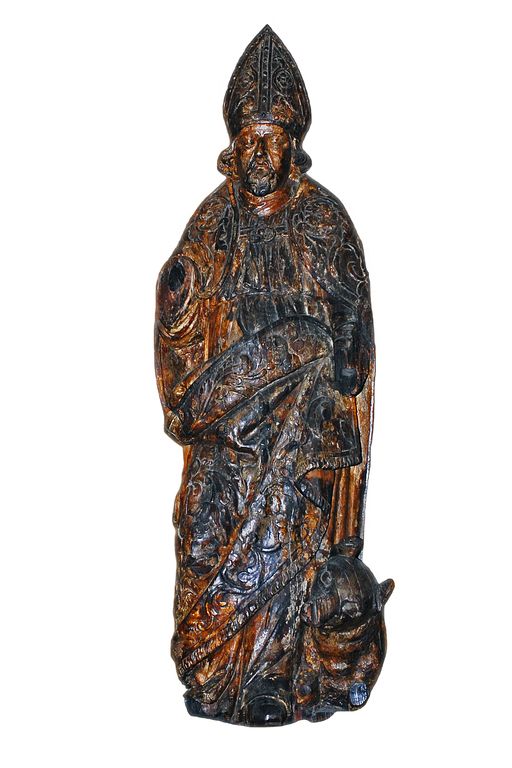
Statue of Saint Remacle
Behind the pulpit, attached to a large unused door this oak statue from 1693 comes from the…
Behind the pulpit, attached to a large unused door this oak statue from 1693 comes from the ancient church.(Market square).For about 50 years it was in an outside niche on the facade of the church of Notre Dame. before being sheltered. Its condition is explained by its wanderings. Remacle has a rather coarse face but a finely decorated mitre and mantle while the wolf, his constant companion, has been carved clumsily. Some traces of the original painting remain.
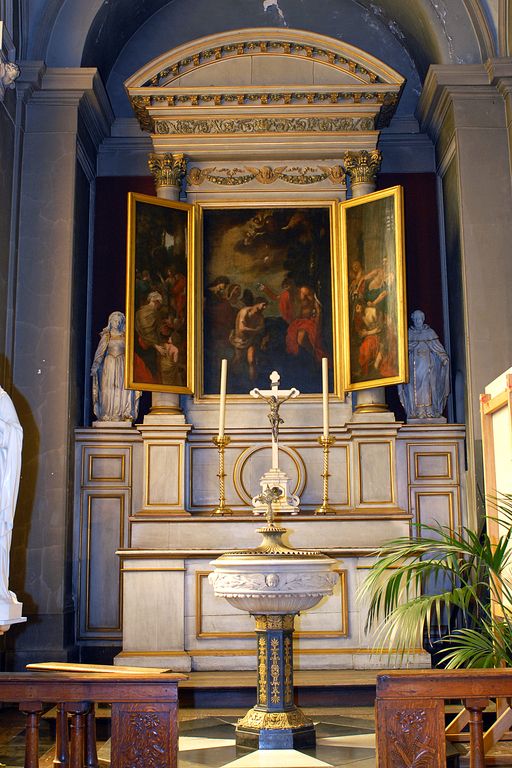
Triptych of Saint John the Baptist
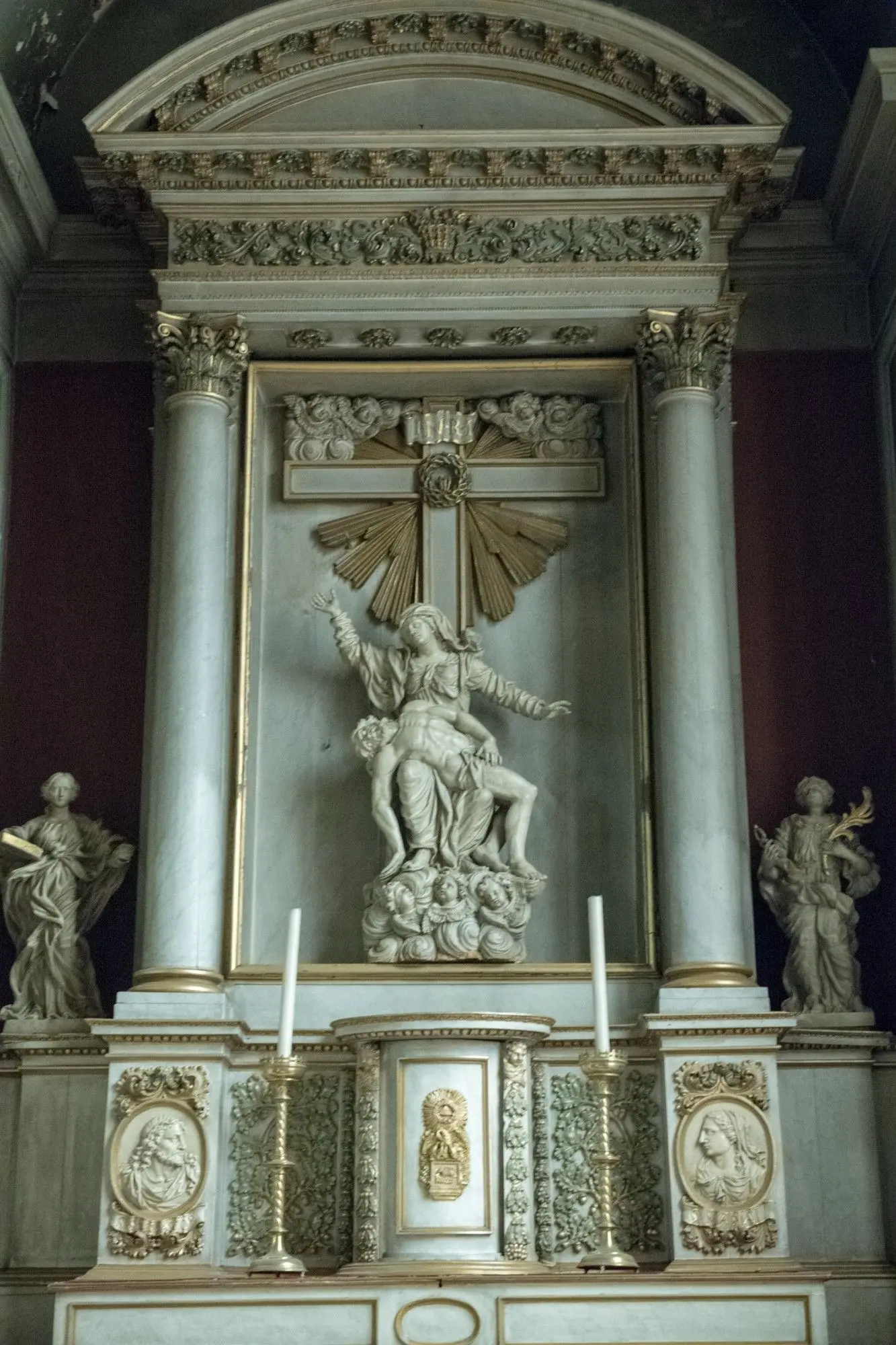
Above the altar in the baptistery, this triptych from before 1646 depicts scenes from the life…
Above the altar in the baptistery, this triptych from before 1646 depicts scenes from the life of the forerunner; the baptism of Christ in the centre and the preaching and beheading of John the Baptist on the shutters. On the other side of the shutters are the portraits of the donors, each flanked by his patron saint: Saint René bishop of angers and Saint Anne, mother of Mary, teaching the latter to read. Rene or Renier or Renson de Fays, nail maker and mayor of Verviers, and his wife Anne Deltour known as Grosfils were the generous sponsors.
Labels

Medias
Hours
Closed
Additional information
Entrance lock open every day from 9am to 6pm in summer and 10am to 4pm in winter.Church open before and during the many one-off activities: https://www.facebook.com/CCSRVerviers
+32 87 22 54 28 or +32 476 60 89 90
Religious services
See the updated timetable on the website of our partner EgliseInfo
Nearby buildings


Tours associates

La région verviétoise à l'heure de la révolution industrielle (circuit régional à plusieurs boucles)


Comments (0)