

Our Lady
Building profile
Historic/listed monument
Practical information


 © Églises Ouvertes
 © Églises Ouvertes
 © Églises Ouvertes
 © Églises Ouvertes
 © Églises Ouvertes
 © Églises Ouvertes
 © Églises Ouvertes
 © Églises Ouvertes
 © Églises Ouvertes
 © Églises Ouvertes
 © Églises Ouvertes
 © Églises Ouvertes
 © Églises Ouvertes
 © Églises Ouvertes
 © Églises Ouvertes
 © Églises Ouvertes
About this building
Temse is known for being the first municipality of the Pays de Waas, Christianised by Saint Amalberga. The Gothic church of Notre-Dame was built in 1645 on the foundations of the chapel of Saint Amalberga (770). Since the 13th century, a pilgrimage dedicated to Saint Amalberga has been leading pilgrims to Temse.
Inside the church, a tomb was erected for this saint in 1841. In the right transept another tomb dating from the 16th century is formed from two recumbent figures, one of them the knight Lefever, benefactor of Temse.
A communion rail,…
Temse is known for being the first municipality of the Pays de Waas, Christianised by Saint Amalberga. The Gothic church of Notre-Dame was built in 1645 on the foundations of the chapel of Saint Amalberga (770). Since the 13th century, a pilgrimage dedicated to Saint Amalberga has been leading pilgrims to Temse.
Inside the church, a tomb was erected for this saint in 1841. In the right transept another tomb dating from the 16th century is formed from two recumbent figures, one of them the knight Lefever, benefactor of Temse.
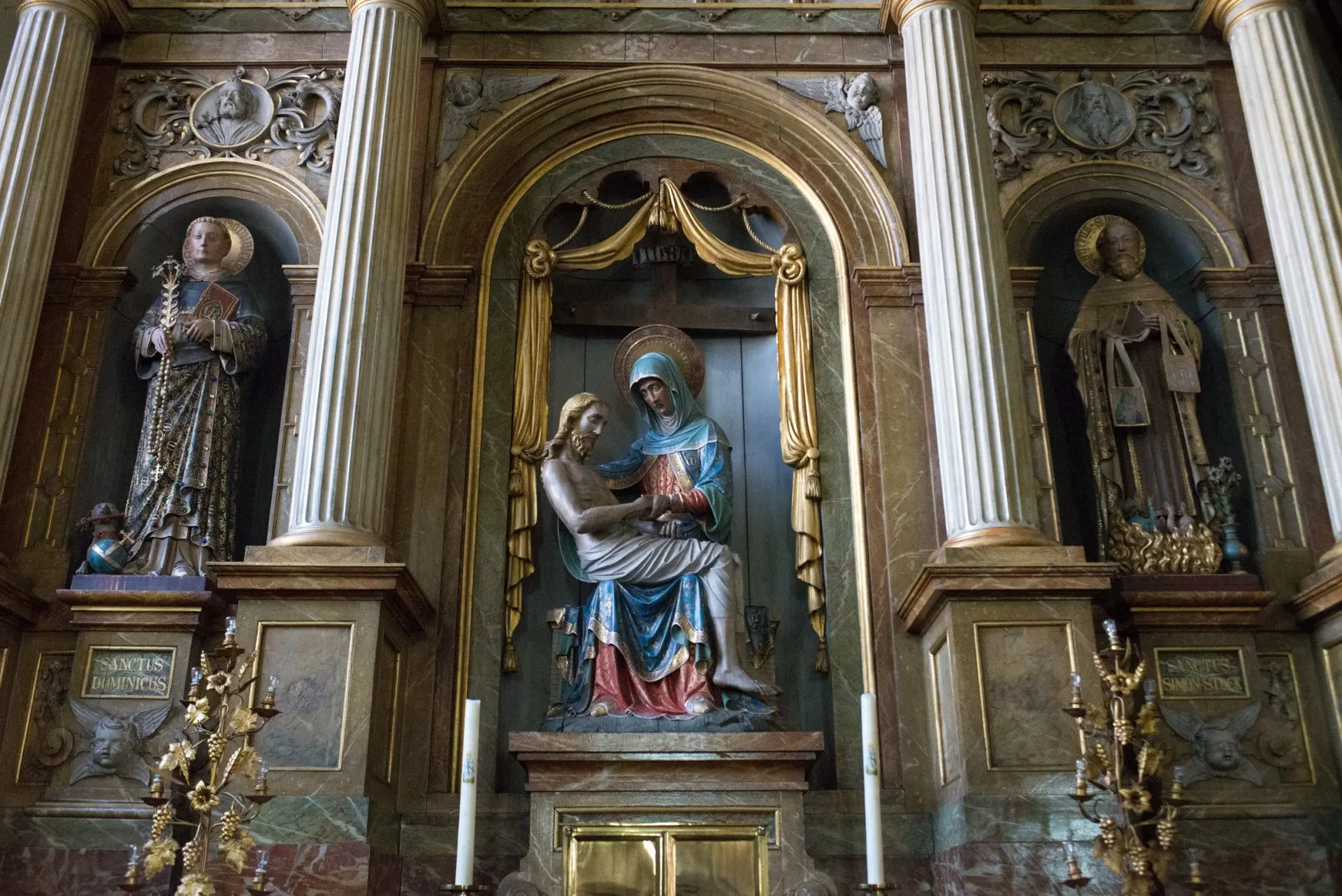
A communion rail, Baroque wooden panelling and several pieces in wrought metal from the 18th century, works of the local sculptors Adriaan and Philip Nys, give the Church of Our Lady an appearance of tranquil strength and of reverence.
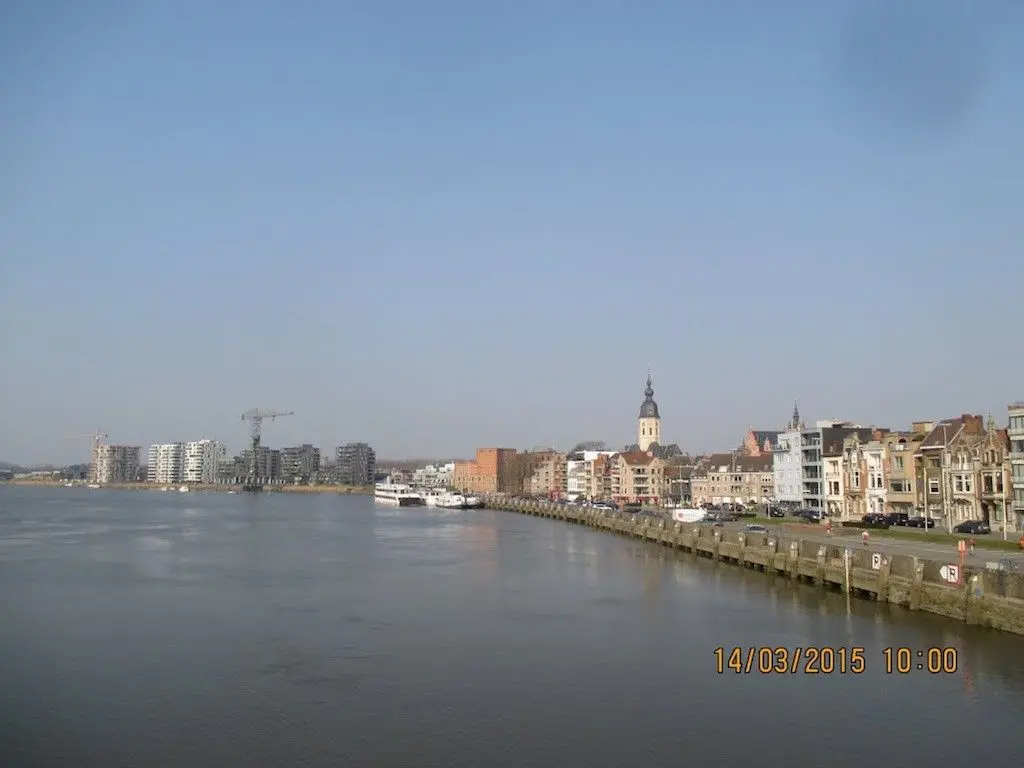
The dome-shaped bell tower of the church is visible from the other bank of the Scheldt River. The church and the tower of the town hall make Temse one of the most beautiful small cities in the region. At night the church is fully illuminated. This gives a note of enchantment to the whole.
To complete this description, let us cite two more monuments that are significant to the inhabitants of Temse: the one, religious, was erected in front of the church in memory of the priest Edward Poppe following his beatification; the other, mischievous, located in front of the library, represents Jommeke, a comic book character known throughout Flanders.
Remarkable elements

Pulpit
The pulpit (1715) constitutes a masterpiece of Baroque art, rising like an inverted pyramid…
The pulpit (1715) constitutes a masterpiece of Baroque art, rising like an inverted pyramid above a globe, crowned by the statue of St Amelberga, surrounded by evangelists and angels.

Choir stalls
The choir stalls (1710-1712) show beautiful craftsmanship with hermen statues and medallions.…
The choir stalls (1710-1712) show beautiful craftsmanship with hermen statues and medallions.

Mausoleum of Roeland Lefèvre
The tomb of Roeland Levèfre (1517), in late Gothic and Renaissance style, honours an early…
The tomb of Roeland Levèfre (1517), in late Gothic and Renaissance style, honours an early benefactor of Temse.

Stained glass windows
The stained-glass window of the “Flight of Saint Amelberga” and the neo-Gothic statue of Francis…
The stained-glass window of the “Flight of Saint Amelberga” and the neo-Gothic statue of Francis Xavier depict the life of the patron saint and a Jesuit, respectively.

Baptismal font
The Renaissance-style baptismal font and the 17th-century triptych painting with scenes from the…
The Renaissance-style baptismal font and the 17th-century triptych painting with scenes from the life of St Amelberga are additional artistic treasures of the church.

Triptych on wood
.
Labels

Medias
Hours
Closed
Additional information
DVD-Präsentation
+32 3 771 51 31
Religious services
Kerknet
Events

This building can host your events, contact us
Nearby buildings



Tours associates



Comments (0)