

Saint Paul
Building profile
Historic/listed monument
Practical information


 © Églises Ouvertes
 © Églises Ouvertes
 © Églises Ouvertes
 © Églises Ouvertes
 © Églises Ouvertes
 © Églises Ouvertes
 © Églises Ouvertes
 © Églises Ouvertes
 © Églises Ouvertes
 © Églises Ouvertes
 © Églises Ouvertes
 © Églises Ouvertes
 © Églises Ouvertes
 © Églises Ouvertes
 © Églises Ouvertes
 © Églises Ouvertes
 © Églises Ouvertes
 © Églises Ouvertes
 © Églises Ouvertes
 © Églises Ouvertes
 © Églises Ouvertes
 © Églises Ouvertes
About this building
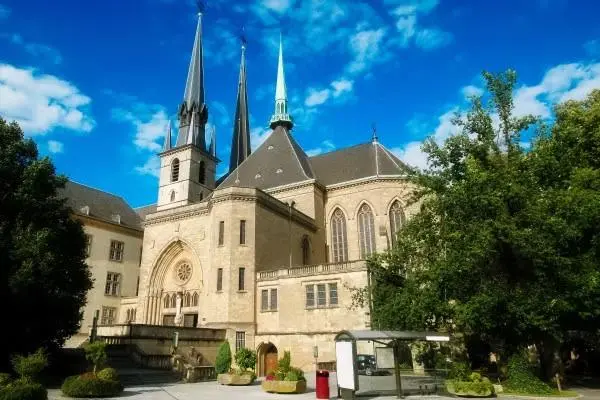
The cathedral of Liege was on the place Saint Lambert for close to 10 centuries but it was destroyed during the French revolution. After this, the collegiate Saint Paul was designated as cathedral. The Gothic building was rebuilt around 1240 and finished in 1430.Up to the 19th century, the church was adorned progressively with very beautiful Gothic furnishings made by major Belgian artists and by the contribution of masterpieces by well known local artists.
The interior of the church gives an impression of space and luminosity. The pulpit is of…
The cathedral of Liege was on the place Saint Lambert for close to 10 centuries but it was destroyed during the French revolution. After this, the collegiate Saint Paul was designated as cathedral. The Gothic building was rebuilt around 1240 and finished in 1430.Up to the 19th century, the church was adorned progressively with very beautiful Gothic furnishings made by major Belgian artists and by the contribution of masterpieces by well known local artists.
The interior of the church gives an impression of space and luminosity. The pulpit is of neo-Gothic design and at its foot are six small statues one of which is a chained devil.
There are several works by the famous artist from Liege, Jean Del Cour: a lime wood statue depicting John the Baptist is in the centre and towards the rear of the main aisle. In a chapel at the back on the north side, the masterly technique and great sensitivity of this same artist is evident in the Christ recumbent on a funerary monument in white marble and two bas-reliefs which frame the altar. The bronze crucified Christ in the north collateral is by the same artist. Above the altar is a painting by Erasmus Quellin depicting four teachers of the church before the Blessed Sacrament and on the west wall is a large “Assumption” of the Virgin by Gerard de Lairesse (1687).
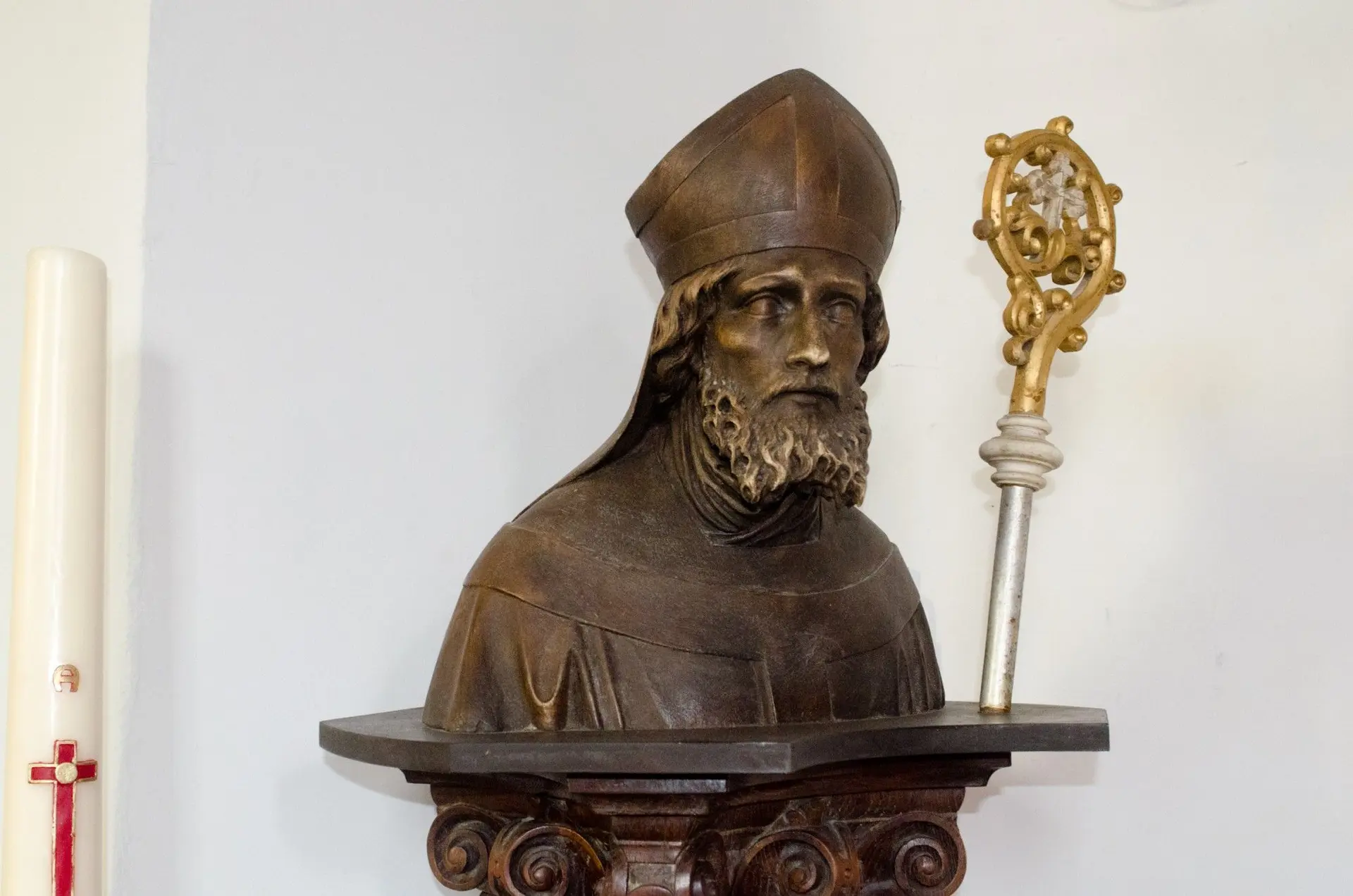
A cloister enclosing a pleasant garden adjoins the cathedral. The cathedral treasury holds some exceptional pieces such as the reliquary bust of Saint Lambert (1510) and that of Charles the Bold (1470).
KIKIRPA : Photo-library online
Cathédrale Saint-Paul de Liège : Aménager notre Maison par Michel TEHEUX, Conseiller du projet
Remarkable elements

Sedes Sapientiae
The Sedes Sapientiae, nowadays at the entrance of the cathedral choir, comes from the demolished…
The Sedes Sapientiae, nowadays at the entrance of the cathedral choir, comes from the demolished church of Saint-Jean Baptiste, whose rich movable heritage was transferred to Saint-Paul after the Revolution. This Virgin is one of the links in the iconographic theme of the sedes sapientiae, particularly privileged in Mosan art. Tall enough, trampling the demon, the figure impresses.

Dead Christ
The dead Christ is considered as one of the masterpieces of Jean Delcour (+1707), leader of…
The dead Christ is considered as one of the masterpieces of Jean Delcour (+1707), leader of Liège Baroque sculpture: inspiration from Bernini, transcendence and intensity of attitudes and feelings, inner breath that even seems to animate the clothes.

Mausoleums of the prince-bishops
Several prince-bishops were buried in the old Saint-Lambert Cathedral, but their tombs were…
Several prince-bishops were buried in the old Saint-Lambert Cathedral, but their tombs were dismantled or destroyed during the Revolution. Some preserved remains were later brought to the new Liège cathedral, strengthening Saint Paul’s role as Saint Lambert’s heir. The Treasury remains the main surviving element. In 2000 and 2002, the Province of Liège rebuilt the mausoleums of Velbruck and Georges-Louis de Berghes in the cloister.

Assumption of the Virgin Mary
The painting on the main altar of the former cathedral illustrates a Marian theme par excellence…
The painting on the main altar of the former cathedral illustrates a Marian theme par excellence in a church dedicated to Our Lady, the Assumption. Seized by the French during the Revolution, it was exhibited in the Louvre in the Galerie Apollon before returning to Liège in the new Saint-Paul cathedral: it was luckier than the great painting of the high altar of Saint-Paul, The Conversion of Saint Paul, which ended up by chance in Toulouse.

Shrine of Saint Lambert
Built in 1896 for the twelfth centenary of Saint Lambert’s martyrdom, the shrine replaced the…
Built in 1896 for the twelfth centenary of Saint Lambert’s martyrdom, the shrine replaced the one destroyed during the Revolution, of which only the wooden core remains in the Treasury. A neo-goldsmith masterpiece inspired by medieval Mosan art, it reflects Liège’s 19th century craftsmanship. Its sides depict the life of Saint Lambert and the devotion to the relics it holds.

Christ's Baptism
The baptism of Christ of Carlier is part of what can be called the Liège school of painting, a…
The baptism of Christ of Carlier is part of what can be called the Liège school of painting, a subtle mix between French classicism and Italian baroque, between Poussin's ancient inspiration and the bright darkness of Caravaggio.
Pilgrimage paths
This building sits on the following pilgrimage routes

Labels

Hours
Closed
Additional information
Treasury: Tuesday to Saturday: 10.00 - 17.00Sunday: 13.00 - 17.00
Cathedral : +32 4 232 61 31 (8 am -12 am) - secretariat@cathedraledeliege.be
Treasure : +32 4 232 61 32 (1 pm -5 pm) - info@tresordeliege.be
Religious services
Voir horaires actualisés sur le site de notre partenaire EgliseInfoEvents
Show by Luc Petit based on the work of Carlo Collodi
Temporary exhibition by Costa Lefkochir: ‘On the Threshold of the Invisible’
Exhibition…
Nearby buildings



Comments (0)