
Saint Quentin
Building profile
Historic/listed monument
Practical information


 © Églises Ouvertes
 © Églises Ouvertes
 © Églises Ouvertes
 © Églises Ouvertes
 © Églises Ouvertes
 © Églises Ouvertes
 © Églises Ouvertes
 © Églises Ouvertes
 © Églises Ouvertes
About this building
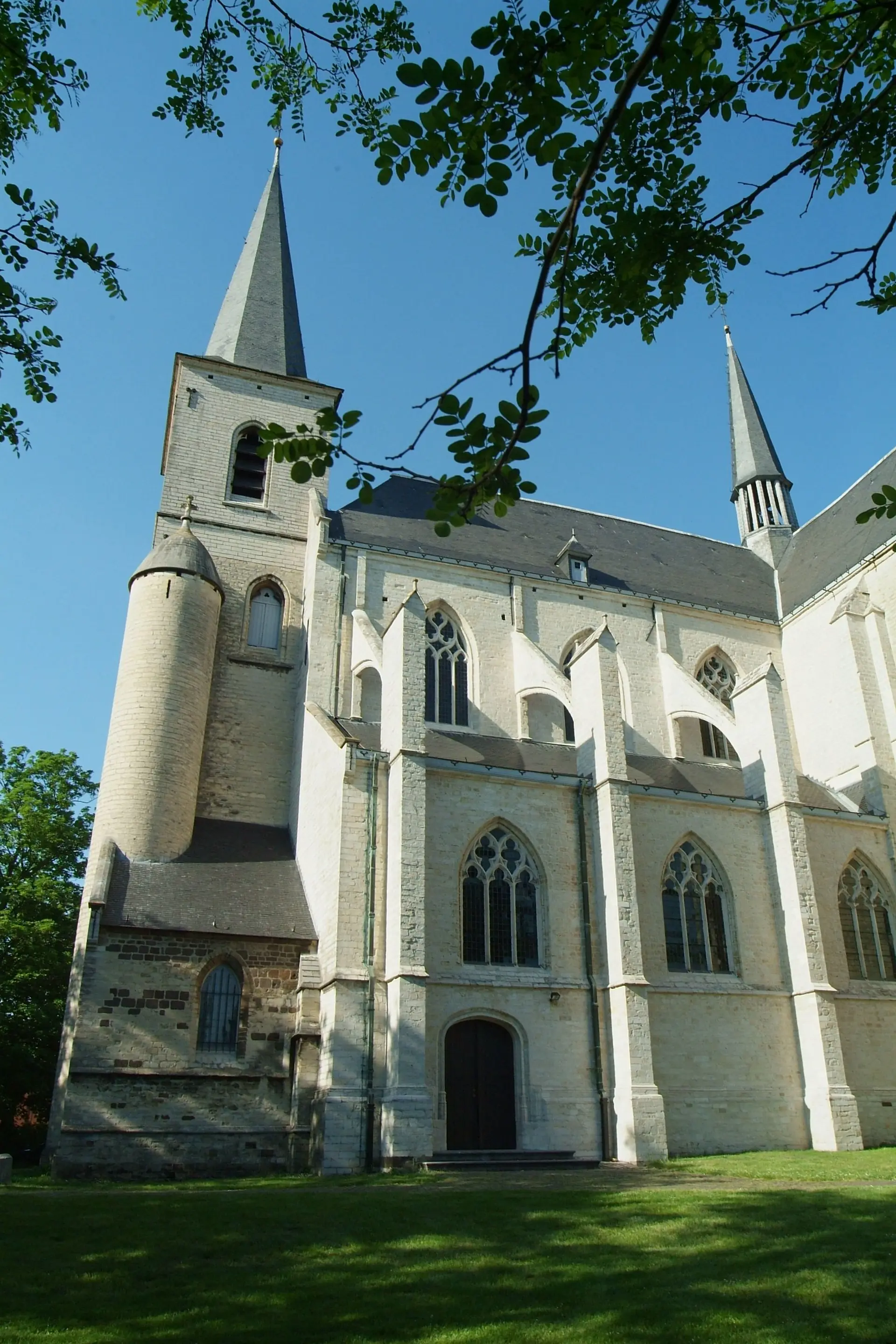
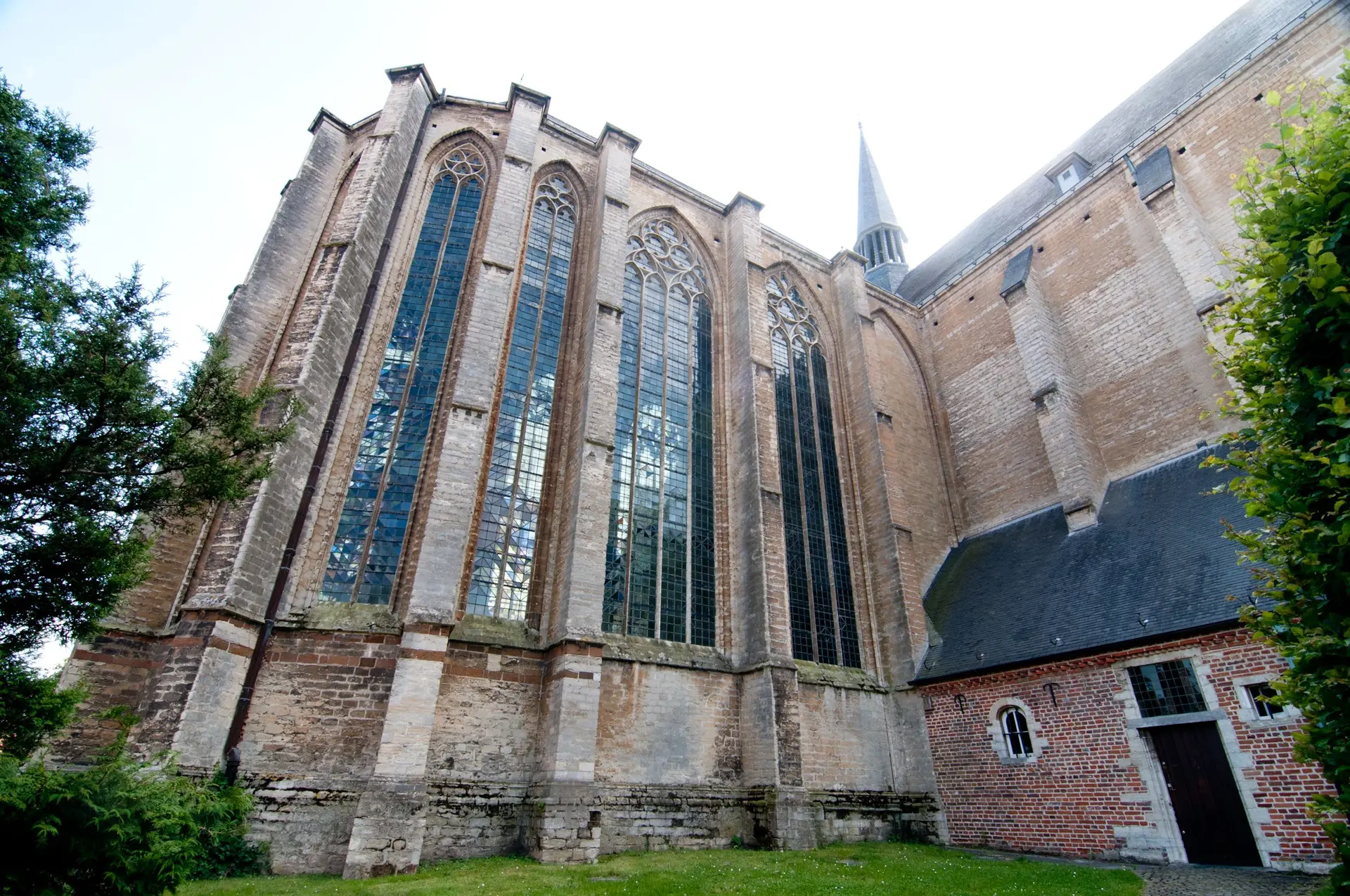
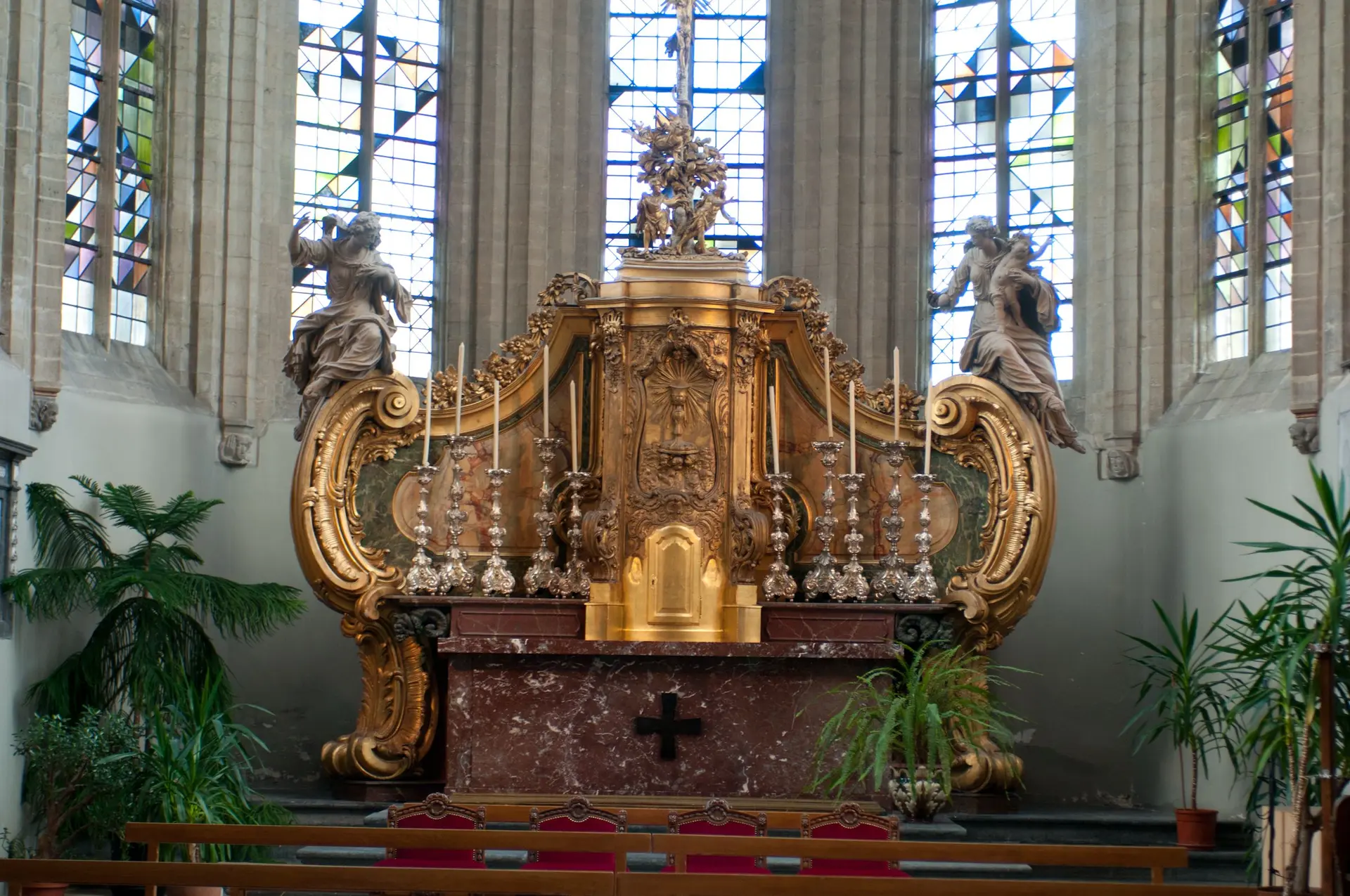
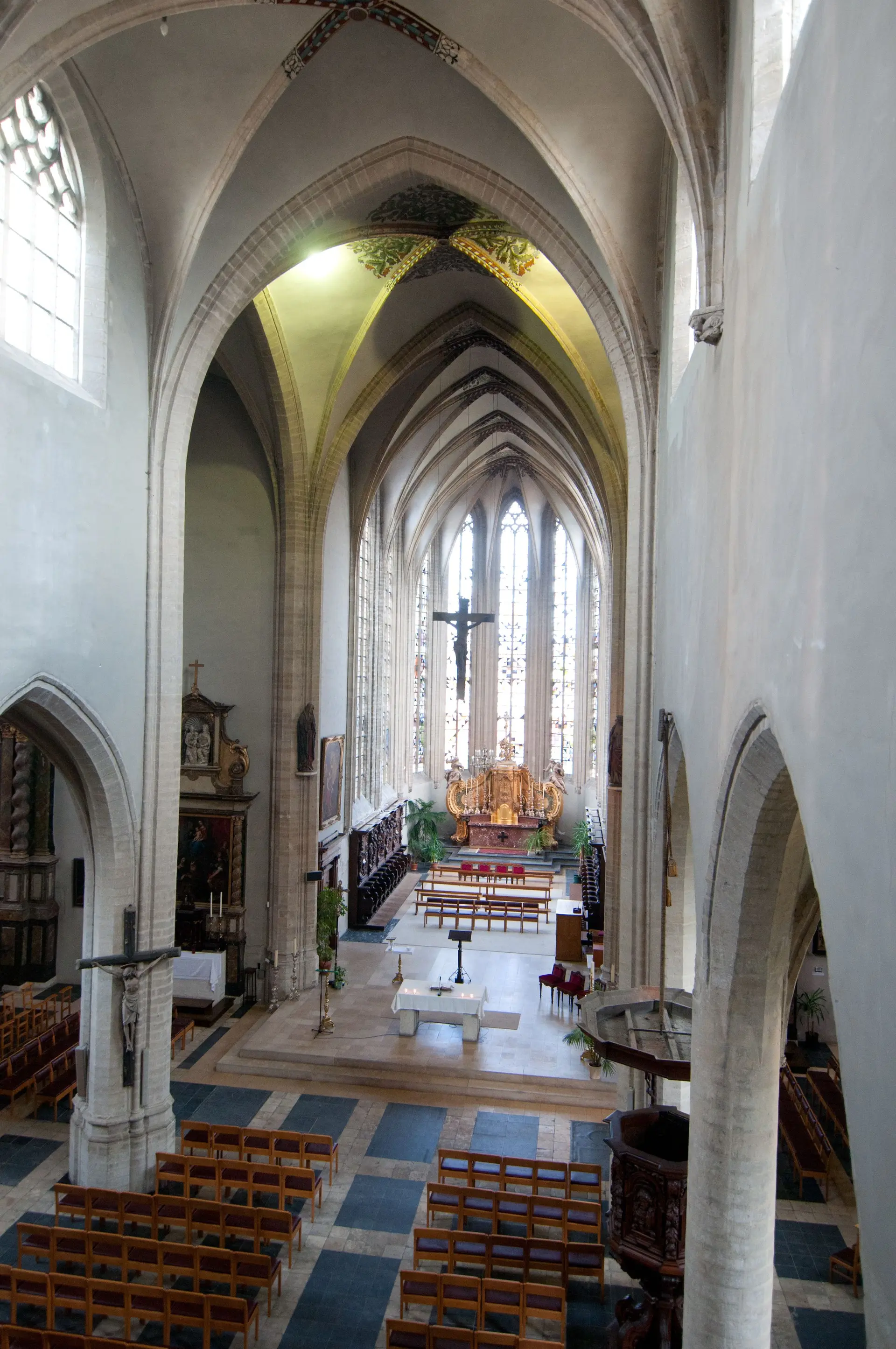
Historically and architecturally, the foundations of the church of Saint Quentin are Romanesque. The lower part of the tower (about 1200) is the oldest part. The rest of the church was built around 1450 by Mathieu de Layens and is classed as high Gothic, Brabant style. The choir was completed in 1453 and the nave in 1535 but it was not until 1900 that the spire was added under the direction of the architect Langerock.
Inside are 18th century stalls, several paintings by Josef Verhaegen and, in the north transept, “The Virgin…
Historically and architecturally, the foundations of the church of Saint Quentin are Romanesque. The lower part of the tower (about 1200) is the oldest part. The rest of the church was built around 1450 by Mathieu de Layens and is classed as high Gothic, Brabant style. The choir was completed in 1453 and the nave in 1535 but it was not until 1900 that the spire was added under the direction of the architect Langerock.
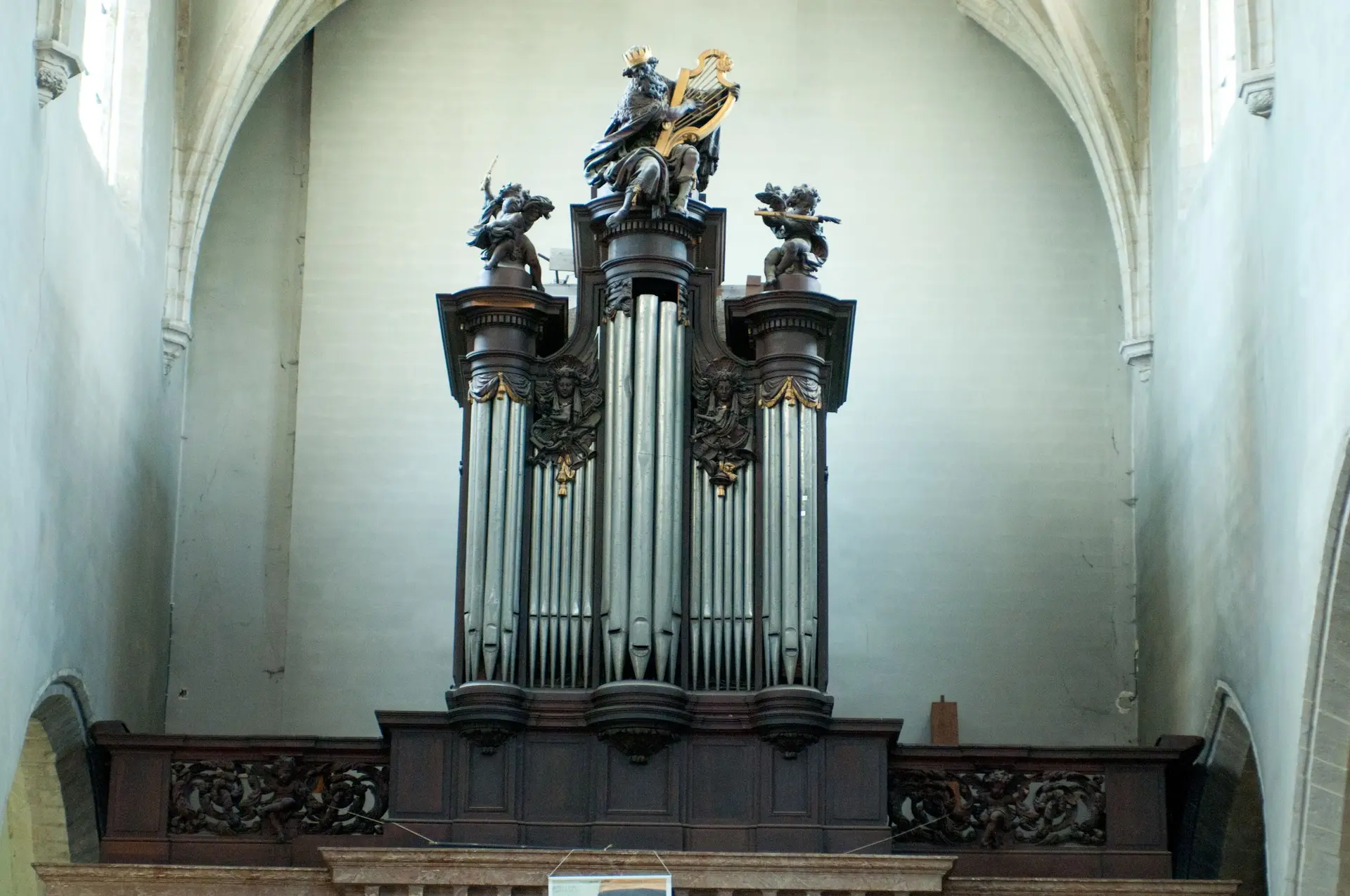
Inside are 18th century stalls, several paintings by Josef Verhaegen and, in the north transept, “The Virgin and Child with Saint Anne” by Gaspar de Crayer. The organ (1786) by Van Peterghem comes from the College of the Pope, not far from Saint Michael’s church.
The Saint Quentin church houses the Catholic English Speaking Community of Leuven. The community includes people from all across the world, from the United States and Canada, to England, Belgium, and all over Europe; from Africa to India and Asia, and beyond. www.catholicchurchleuven.be
KIKIRPA : Photo-library online
See the treasures of this church online on Erfgoed Plus
Remarkable elements
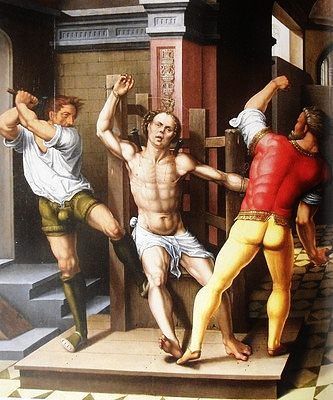
The Holy Quintinus
Quintinus was the son of a Roman senator and was a legionary stationed in Amiens (Samarabriva)…
Quintinus was the son of a Roman senator and was a legionary stationed in Amiens (Samarabriva) in Northern France. He was a Christian and he proclaimed his faith. During the great persecution of Christians under Emperor Diocletian in 287 Quintinus was captured, tortured, beheaded and thrown in the Somme († October 31). This saint of the people is called on for rheumatism, nerve and heart disease, dropsy, convulsions, growing pains, ulcers, tumours, whooping cough, whitlow on fingers and stomach complaints. Some fragments of murals (15th century) on the sidewalls of the presbytery were discovered during the restoration of the church (1967-1970). They depict, according to the ‘Roll of Saint Quentin’, scenes of the ‘vita’ of the saint.
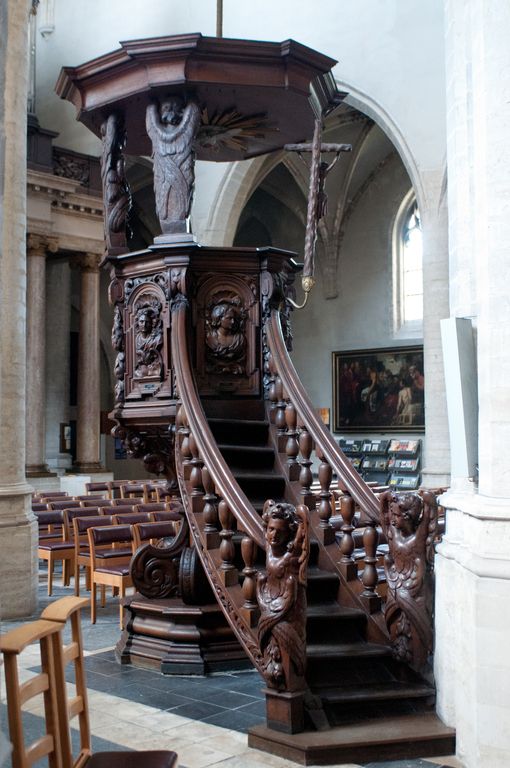
Pulpit
The baroque pulpit in oak (second half of the 17th century) is decorated with busts of Christ,…
The baroque pulpit in oak (second half of the 17th century) is decorated with busts of Christ, the four Evangelists and Saint Quentin.
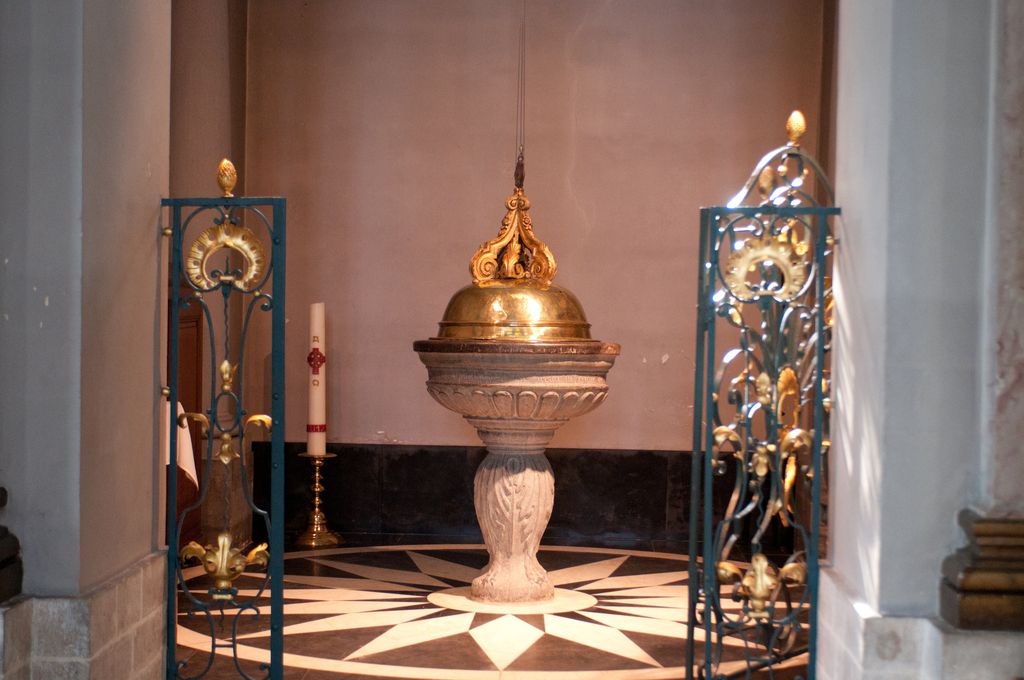
Font
The baptismal font can be found in the baptistery under the tower, behind a wrought iron fence…
The baptismal font can be found in the baptistery under the tower, behind a wrought iron fence in Louis XV style (1765). It is a late Gothic stone font with inscriptions (1560) and a cover in chased copper with a counterweight (1779)
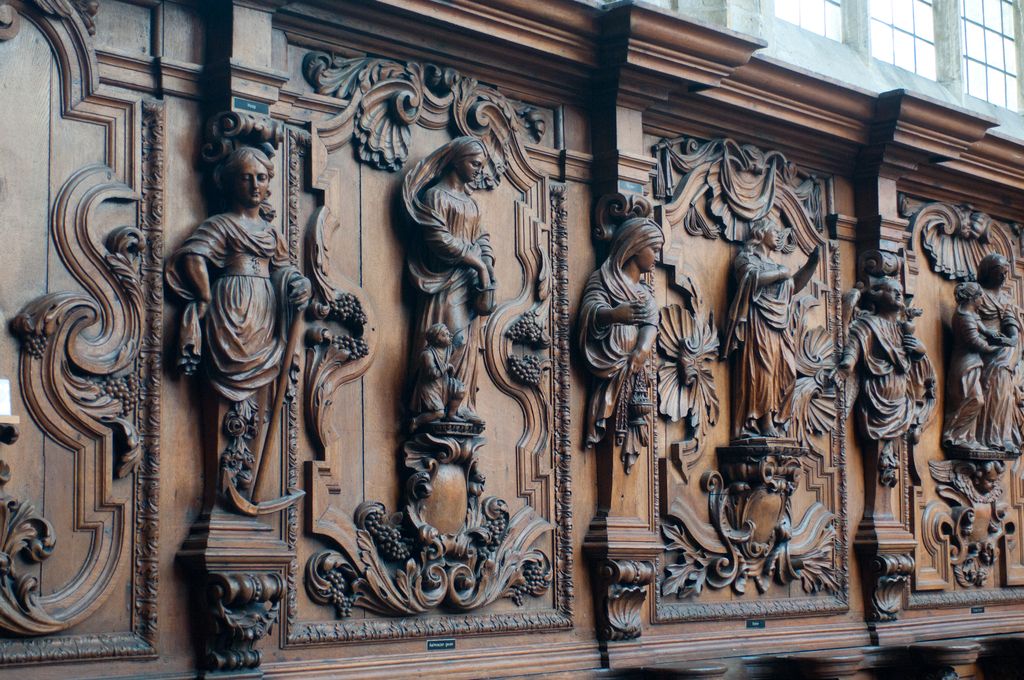
Choir stalls
In the baroque choir stalls (18th century) on the northern side one can see exalted female…
In the baroque choir stalls (18th century) on the northern side one can see exalted female figures alternated with female herm images that depict the ‘virtues’. However, ‘Love’ and ‘Wisdom’ are missing. They were stolen in September 2002. On the southern side one can see exalted male figures alternated with male herm images that depict the ‘Apostles’ with their attributes. The Apostle ‘Paul’ was also stolen in 2002.
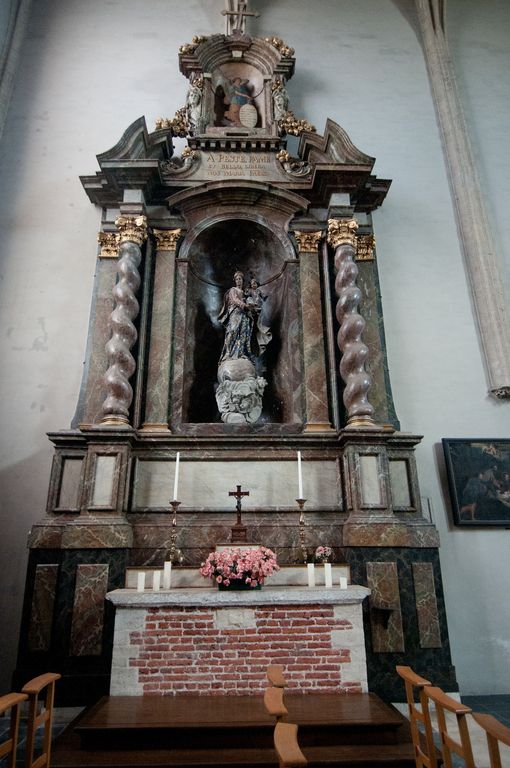
Side altars
An altar in honour of Our Lady can be found in the northern transept. It is decorated with a…
An altar in honour of Our Lady can be found in the northern transept. It is decorated with a 17th century statue of ‘Our Lady of Peace and Sweet Accord?’ made by Artus Quellinus de Jonghe. A baroque altar dedicated to Saint Anna stands in the same transept. It is decorated with the painting “Saint Anna at Threes” by Gasper de Crayer (circa 1618) and depicts the Holy Anna, the Holy Virgin Mary and the child Jesus surround by five saints of the plague: Saint Christopher, Saint Roch, Saint Anthony Abbot, Saint Adrian and Saint Sebastian. The southern side altar is also decorated with a painting by Gaspar de Crayer: “The vision of Saint Teresa of Avila”. The baroque altar in the southern transept is decorated with an 18th century painting by Pieter Jozef Verhaghen called “The Martyrdom of Saint Quentin” and with a statue of Saint Quentin as a Roman soldier (17th century) by Artus Quellinus de Jonghe. A polychrome sculpture group depicts “The Three Holy Sisters”: Berthilia, Eutropia and Genoveva.
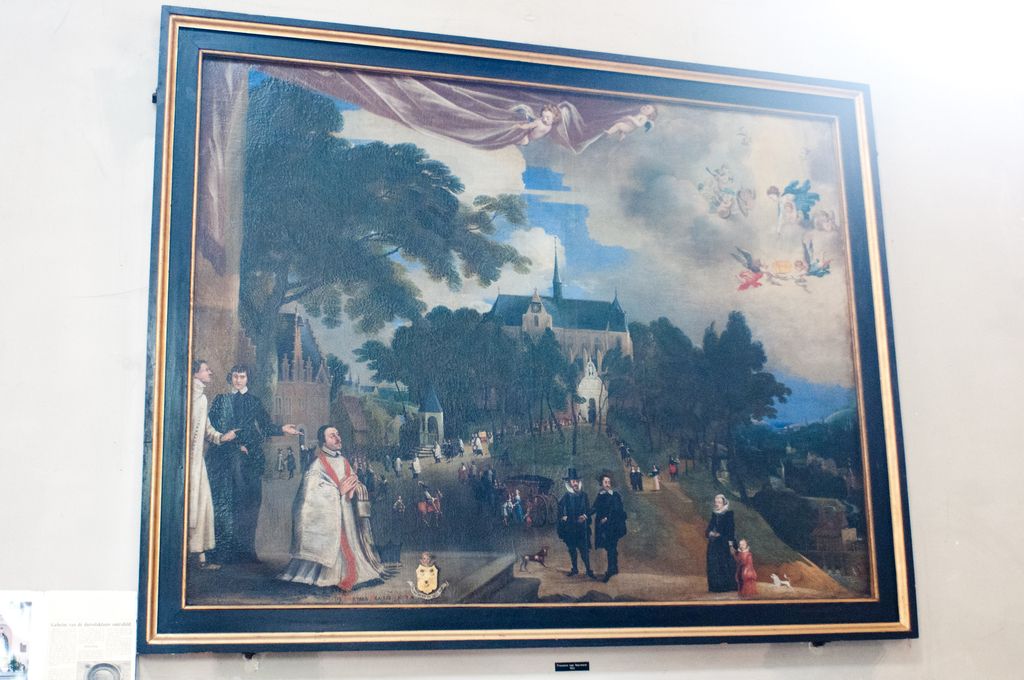
Paintings
The church preserves several paintings, including baroque works by Jan Jozef and Pieter Jozef…
The church preserves several paintings, including baroque works by Jan Jozef and Pieter Jozef Verhaghen, and “The Last Supper” by Jan Willems (1521). “The Procession to Basse Wavre” (1653) documents the final plague period. “The Adoration of the Shepherds,” “The Entombment,” and “The Mystic Marriage of Saint Catherine” are attributed to the Flemish school.
Labels

Medias
Hours
Closed
Religious services
Kerknet
Nearby buildings



Comments (0)