
 © Laure Simon
 © Églises Ouvertes
 © Églises Ouvertes
 © Églises Ouvertes
 © Églises Ouvertes
 © Églises Ouvertes
 © Églises Ouvertes
About this building
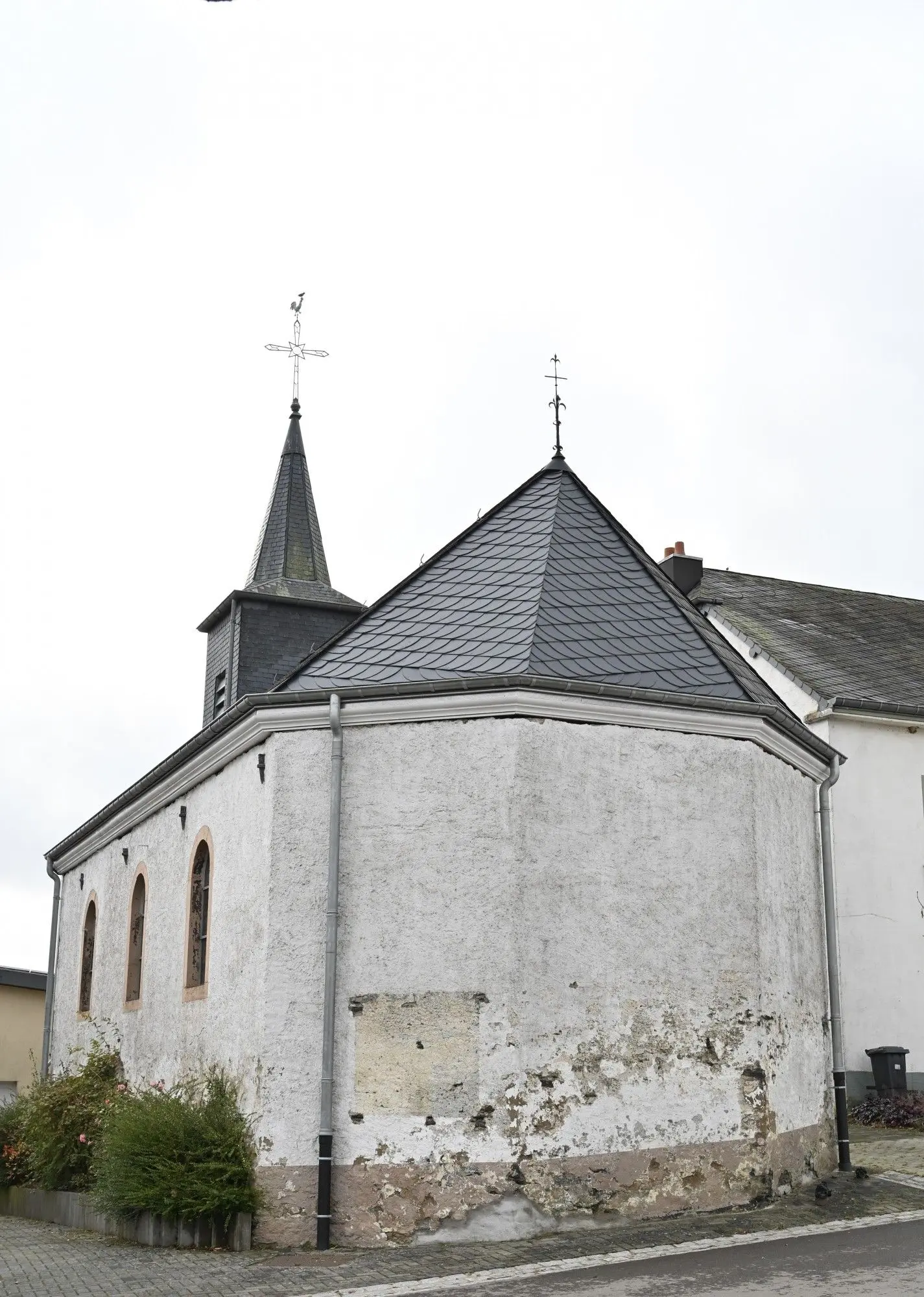
The furnishings (main and side altars, sermon seat) were made in the 18th century in Baroque style by the brothers N. and E. Hennes from nearby Neuerburg. In 1859, the church was extended by two bays to the west by the architect Ch. Arendt, and the floor level was lowered.
Remarkable elements
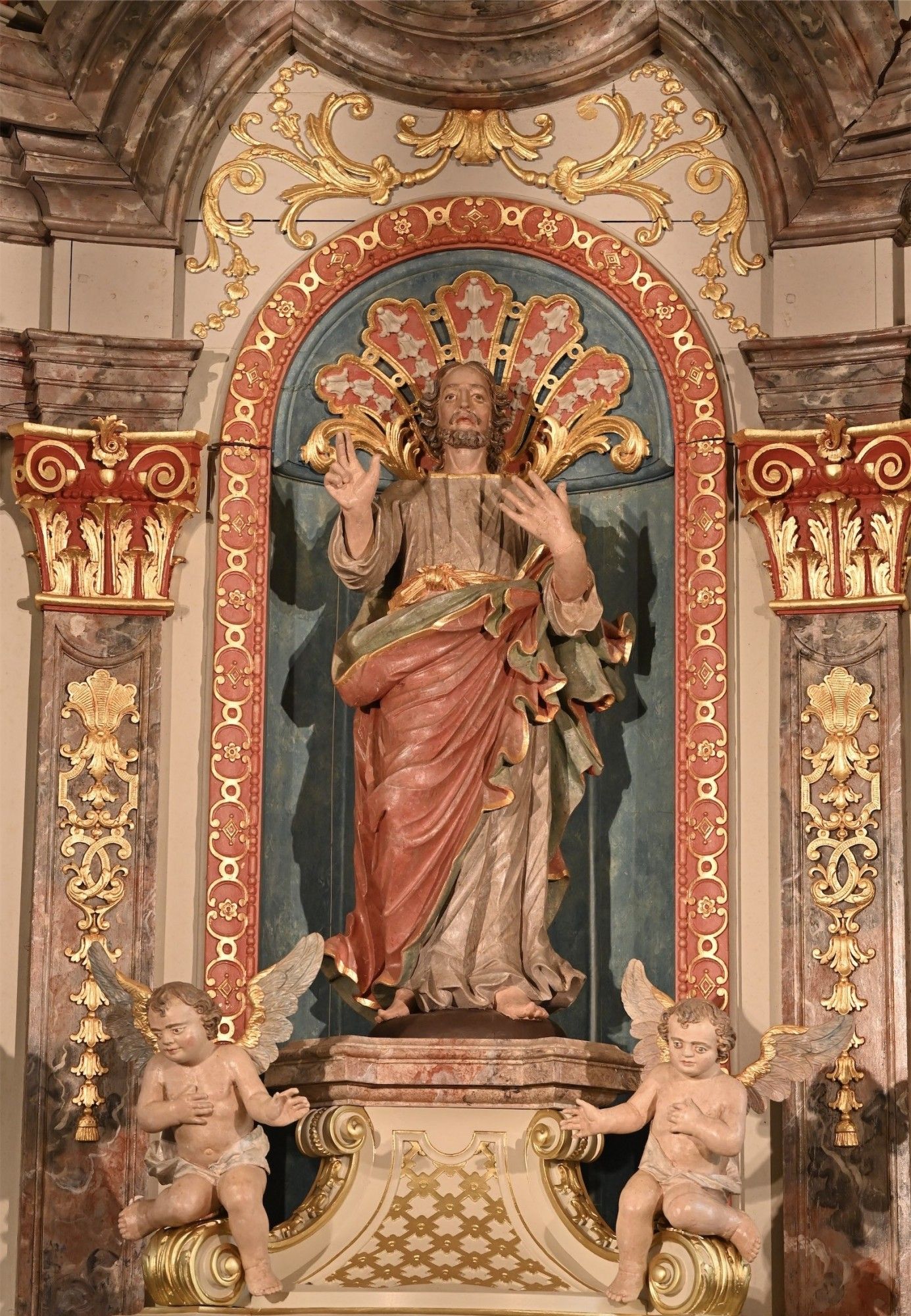
Christ Salvator
Like the abbey church in Prüm, the church in Holler is dedicated to Christ Salvator, the…
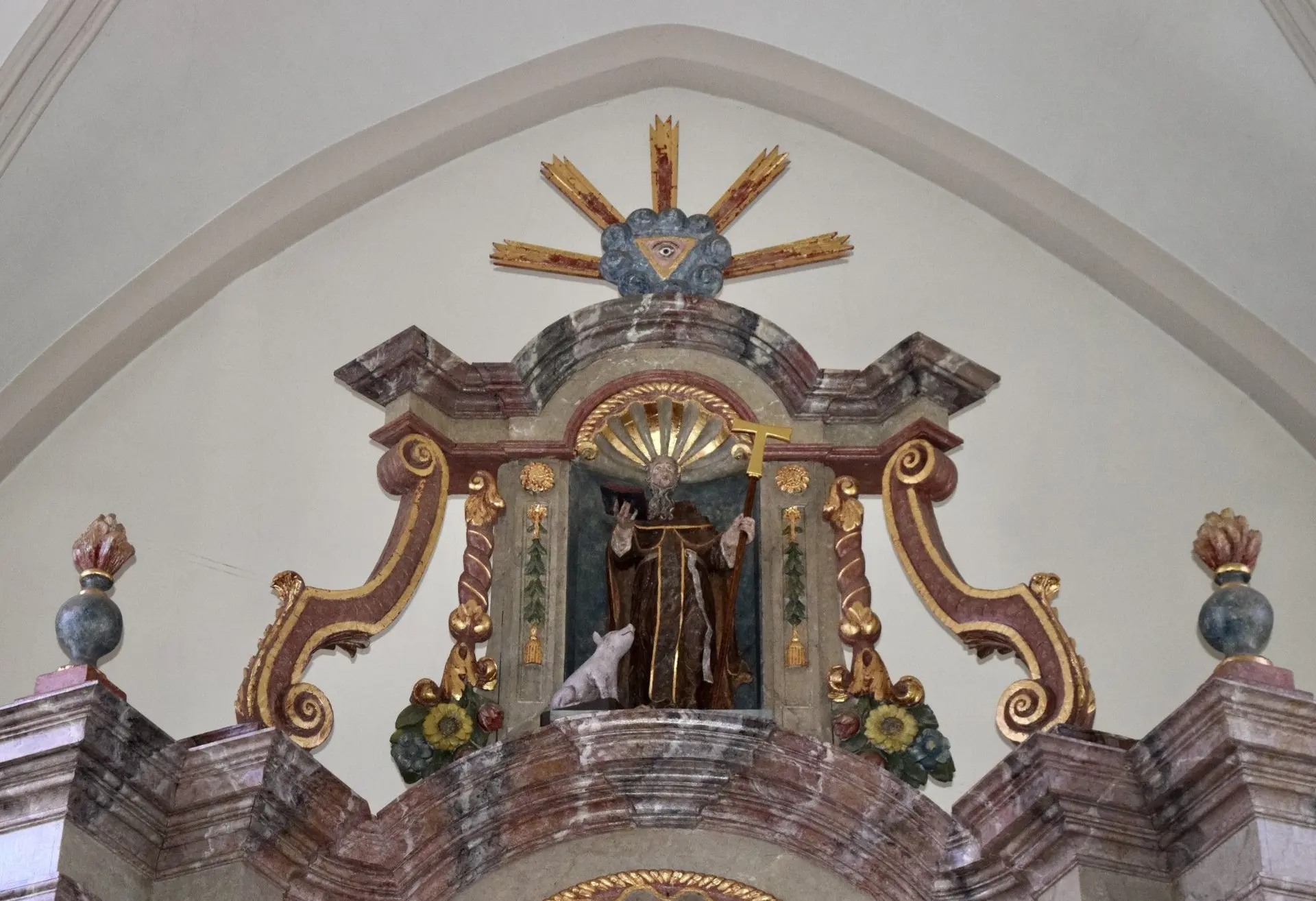
Like the abbey church in Prüm, the church in Holler is dedicated to Christ Salvator, the Redeemer. He is the patron saint in the middle niche of the main altar. Above him is St. George, who slays the dragon.
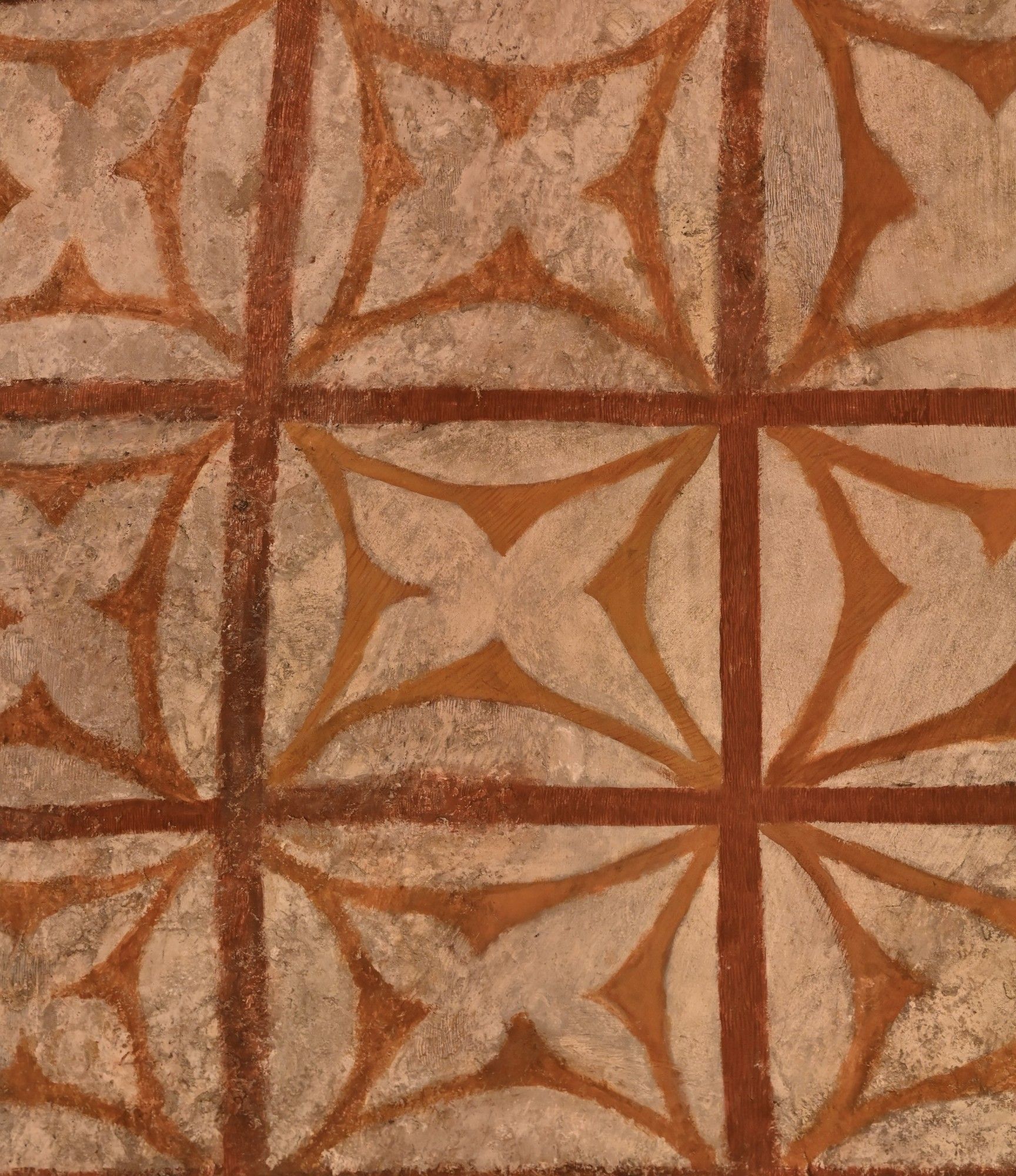
Colour scheme and frescoes
The church was extensively restored in 2010-11. The colour scheme was determined on the basis of…
The church was extensively restored in 2010-11. The colour scheme was determined on the basis of remaining paint from the Middle Ages. In this way, the room regained its original colourfulness. Frescoes from the original period can be seen on the triumphal arch.
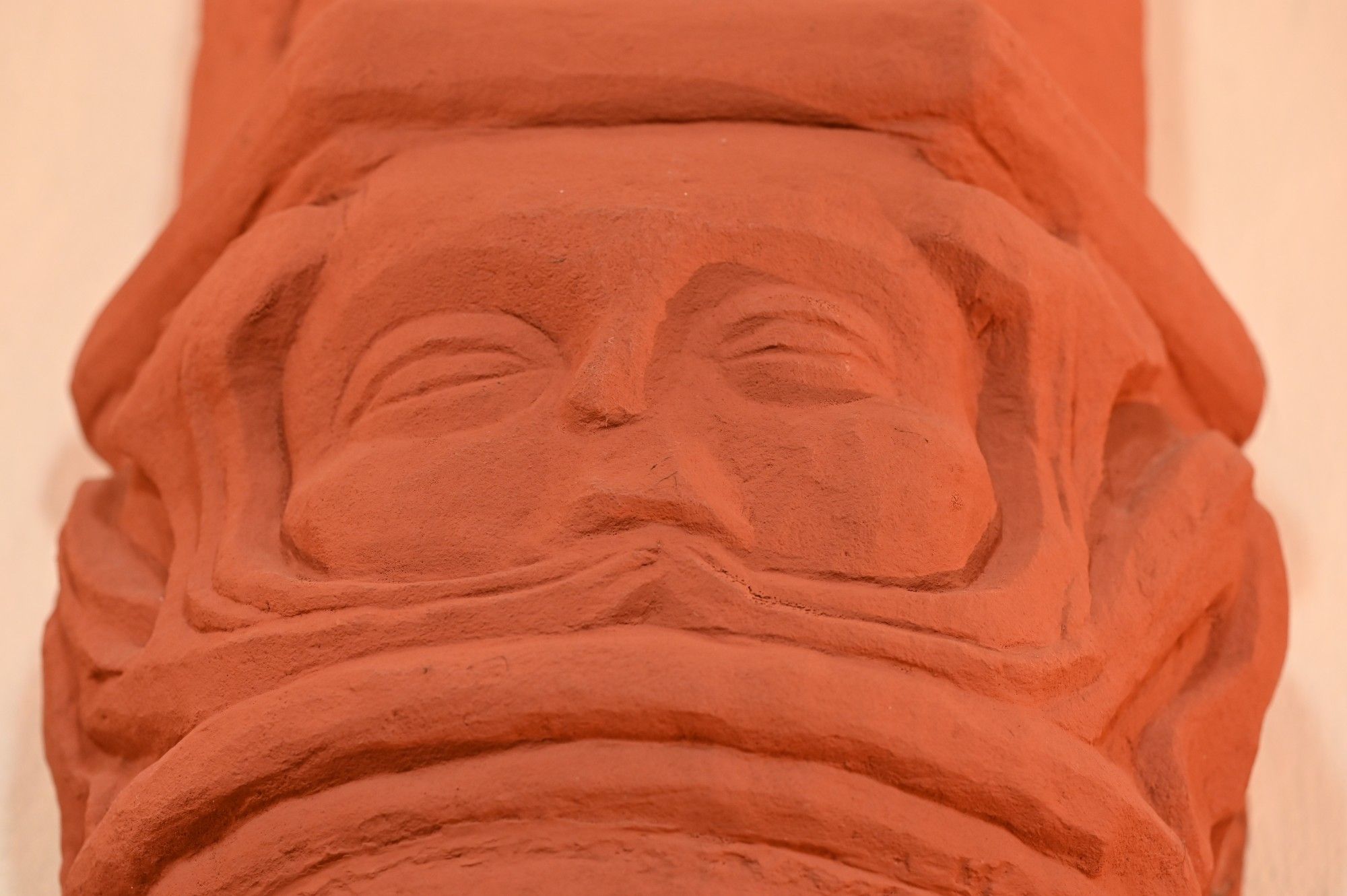
Capitals, keystones and consoles
They are decorations from the Romanesque period, possibly taken over from an early church that…
They are decorations from the Romanesque period, possibly taken over from an early church that stood on the same site.

Preaching chair
During the restoration in 2012, the canopy was remade according to the old model.
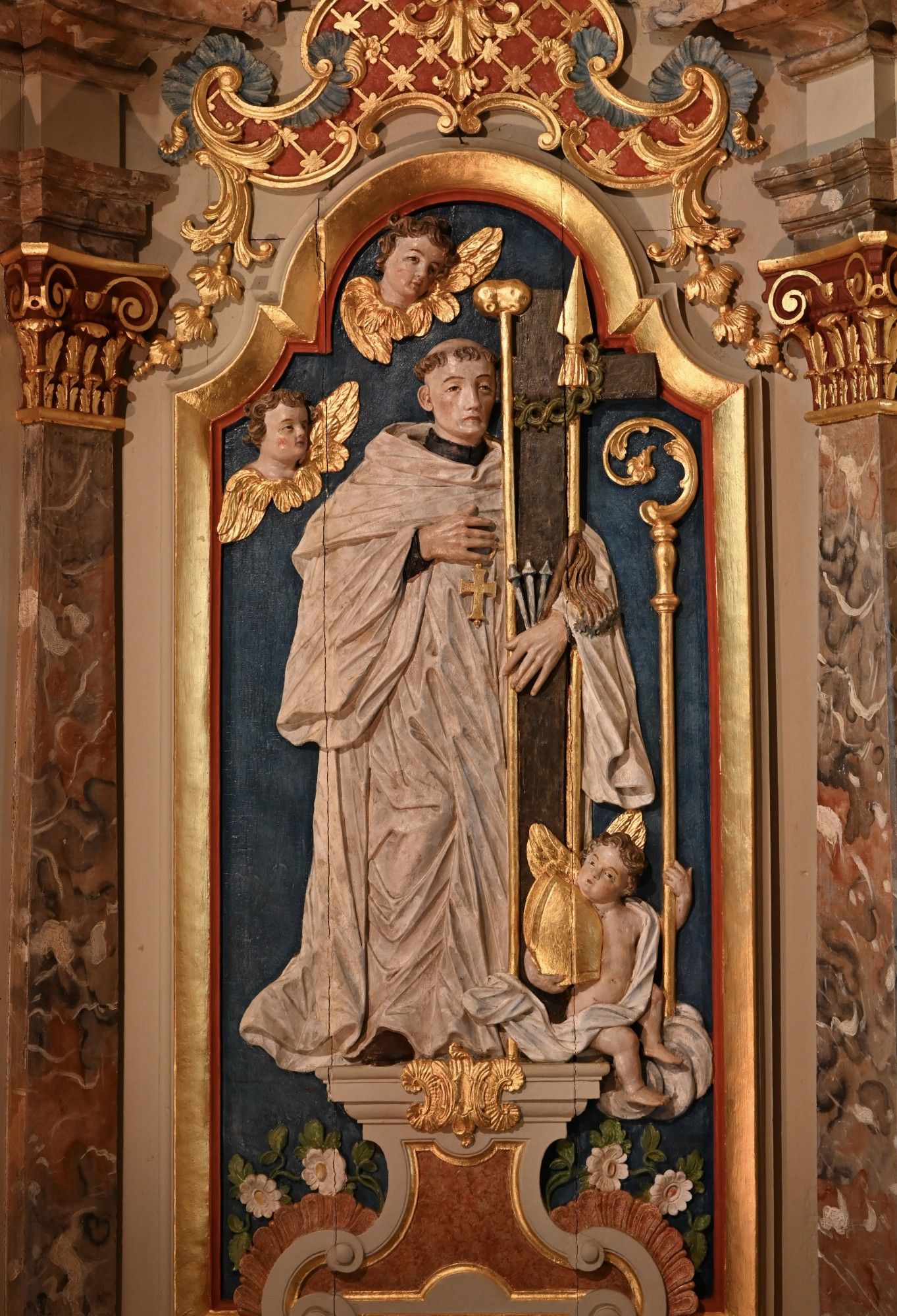
St. Bernard of Clairvaux,
(in the main niche of the left side altar stands) St. Bernard of Clairvaux, monk and reformer,…
(in the main niche of the left side altar stands) St. Bernard of Clairvaux, monk and reformer, embracing the instruments of suffering of the Saviour. An angel at his feet carries his mitre, which identifies him as an abbot.
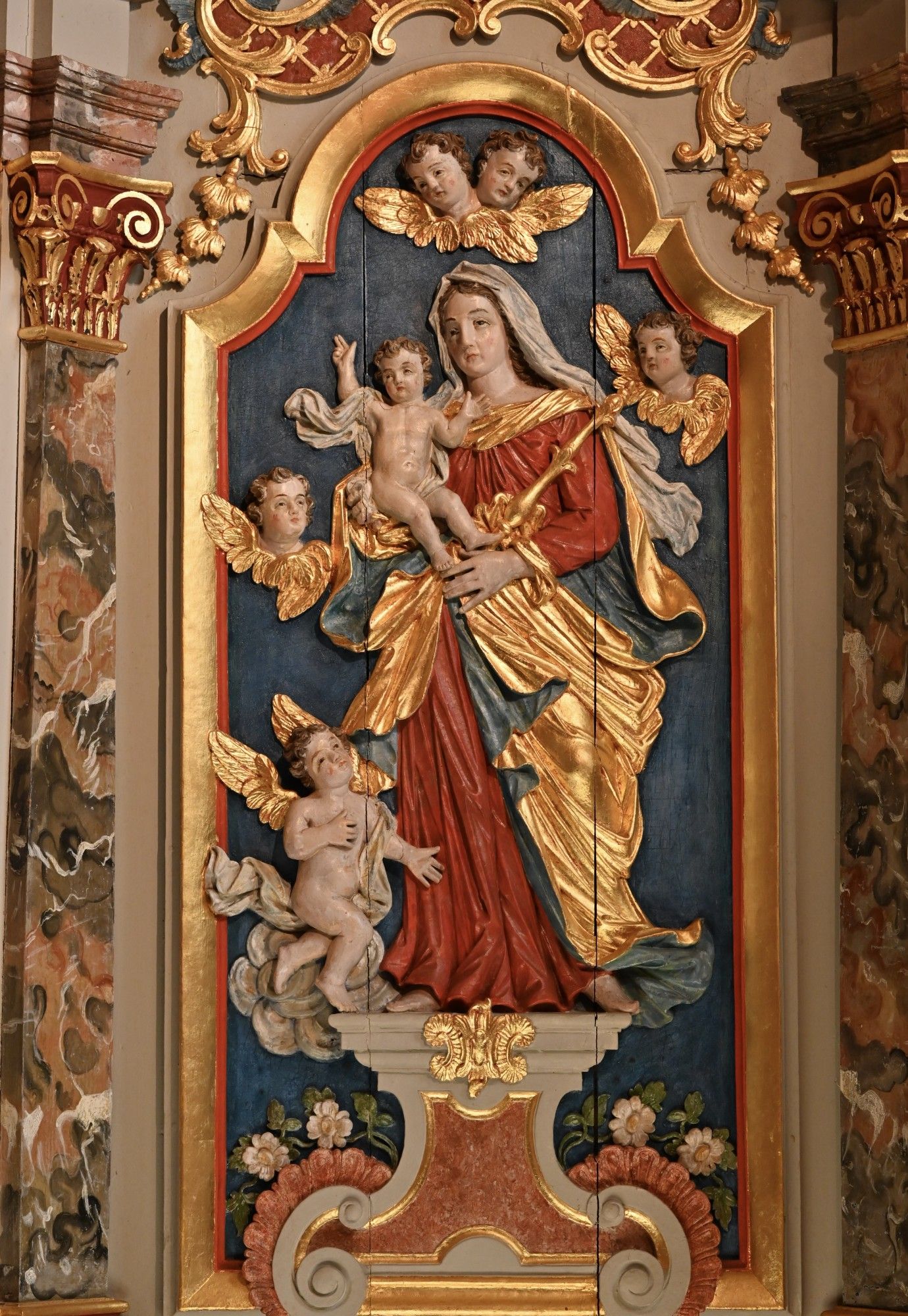
Figure of Mary
(relief on the right side altar)
Surrounded by angels, Mary is depicted in flowing robes…
(relief on the right side altar)
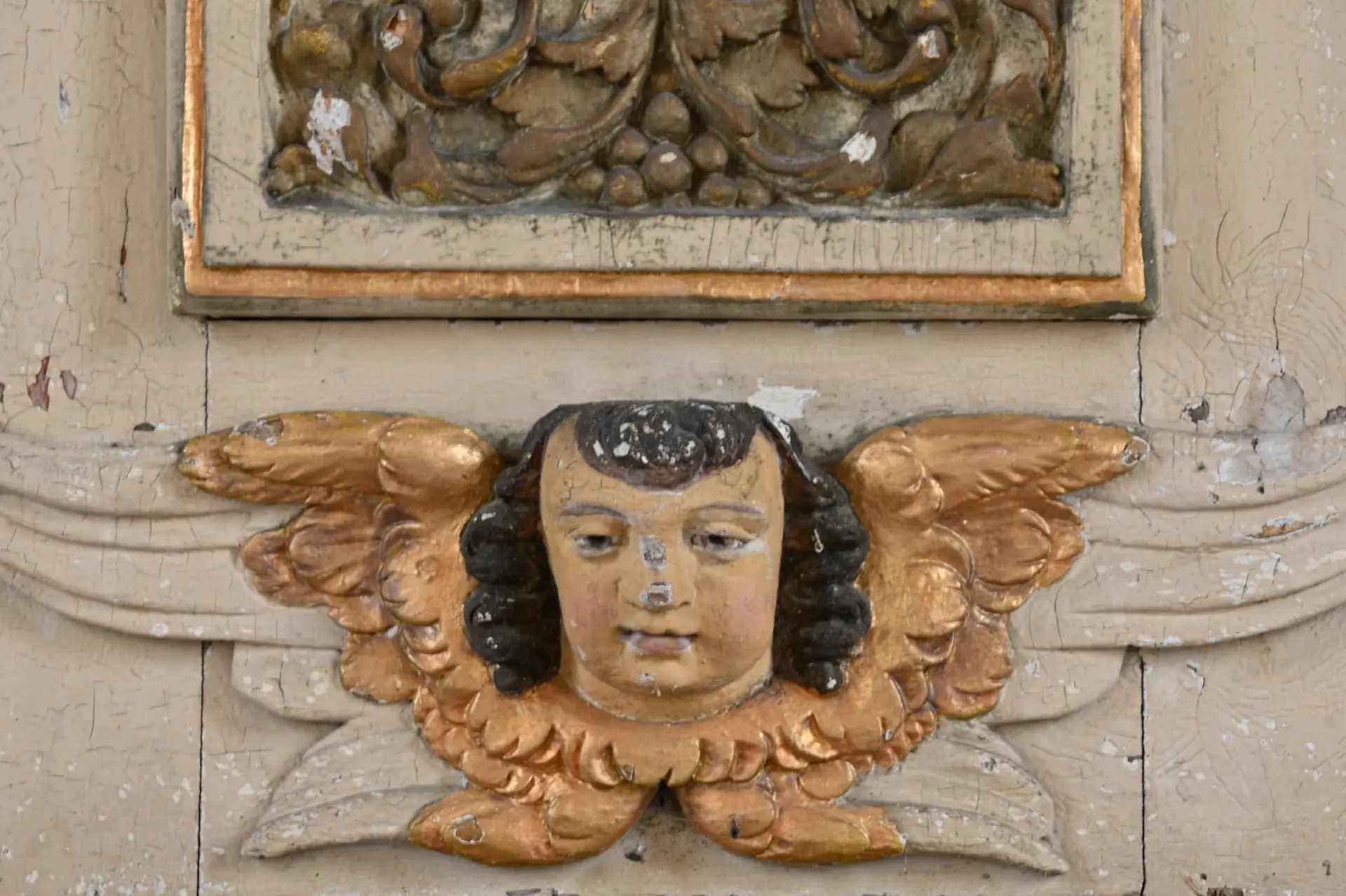
Surrounded by angels, Mary is depicted in flowing robes with the Child Jesus and a sceptre identifying her as the Queen of Heaven.
Labels

Hours
Closed
Nearby buildings


Tours associates


Comments (0)