
Saint Waldtrude
Building profile
Historic/listed monument
Practical information


 © Églises Ouvertes
 © Églises Ouvertes
 © Églises Ouvertes
 © Églises Ouvertes
 © Églises Ouvertes
 © Églises Ouvertes
 © Églises Ouvertes
 © Églises Ouvertes
 © Églises Ouvertes
 © Églises Ouvertes
 © Églises Ouvertes
 © Églises Ouvertes
 © Églises Ouvertes
 © Églises Ouvertes
 © Églises Ouvertes
 © Églises Ouvertes
 © Églises Ouvertes
 © Églises Ouvertes
About this building
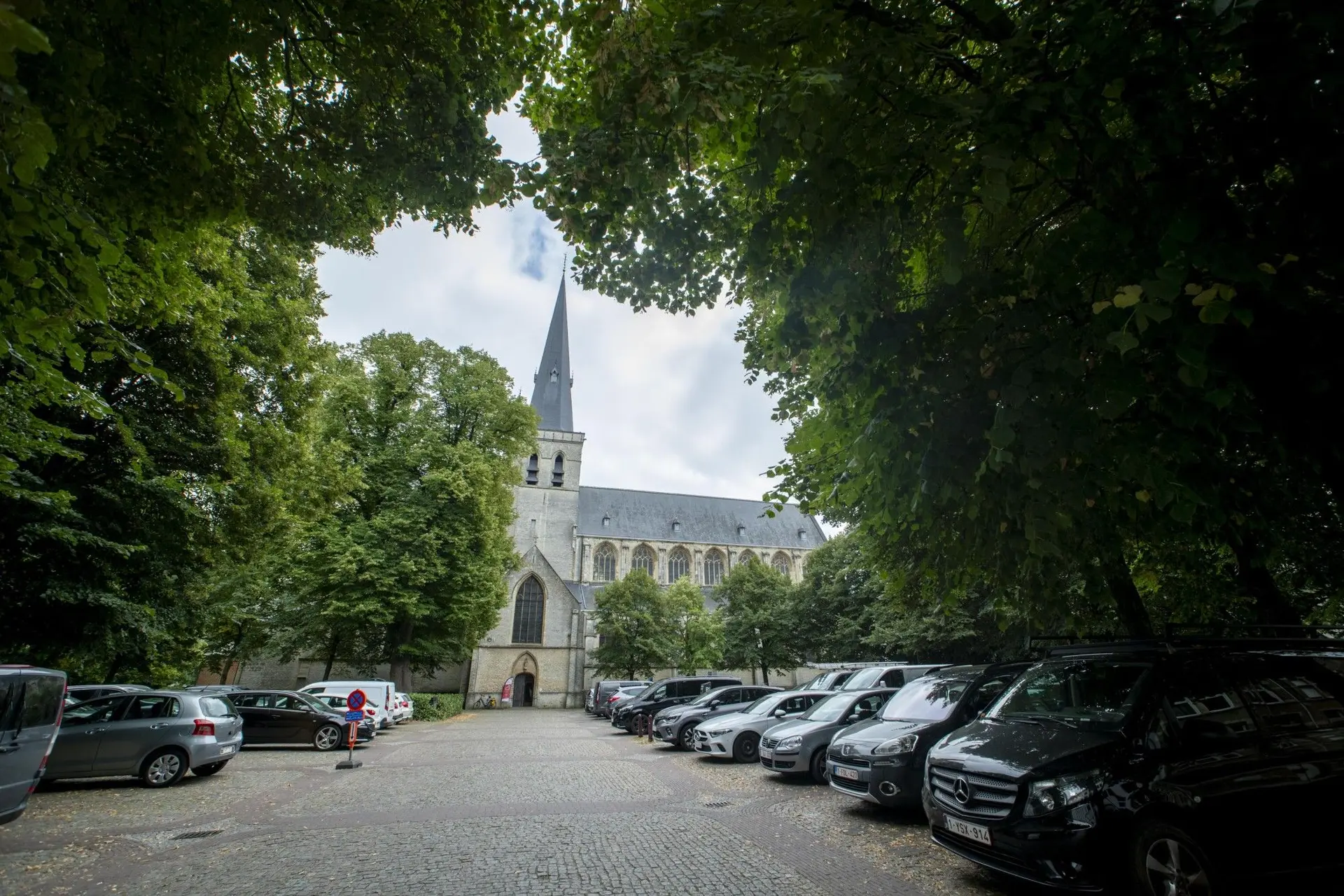
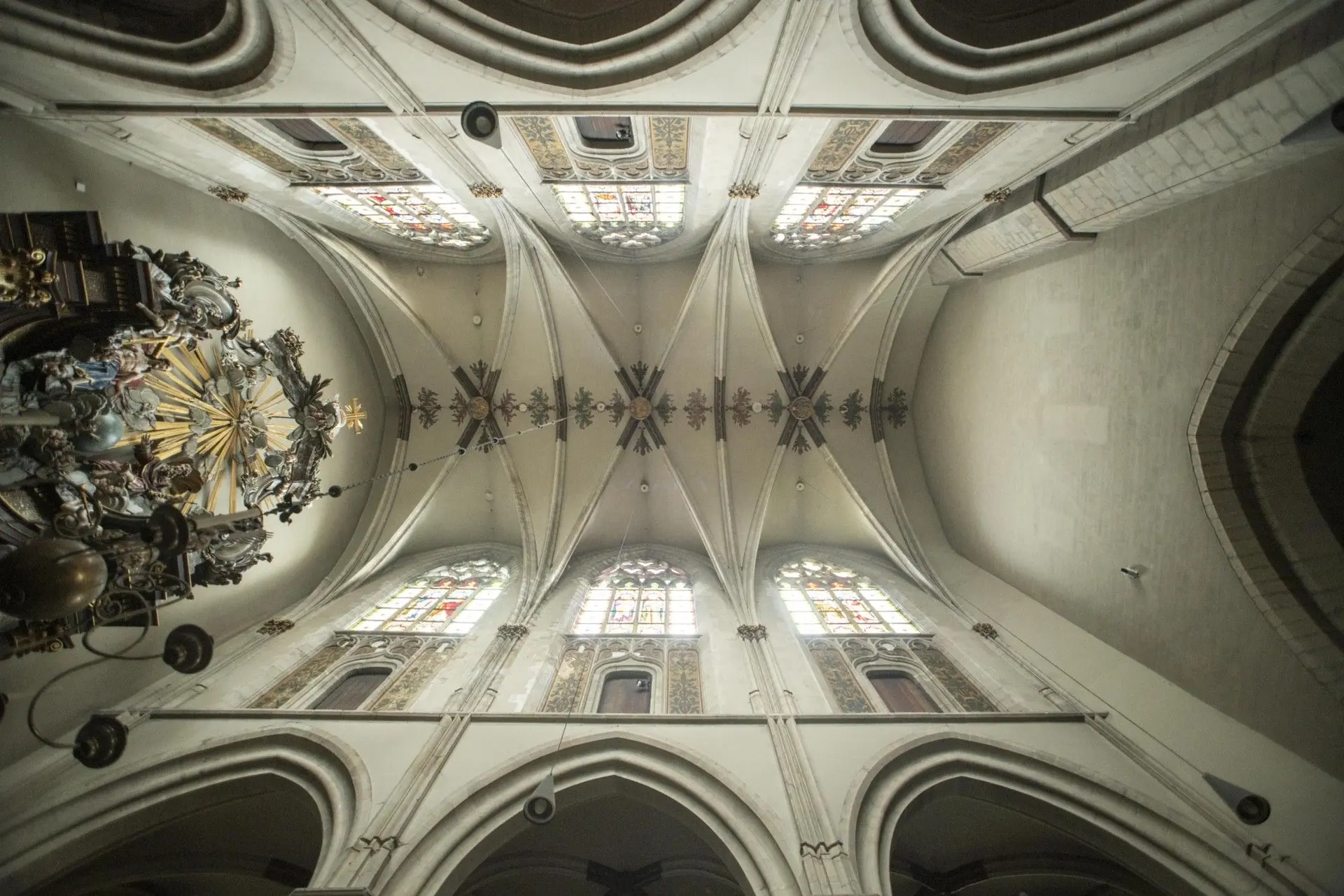
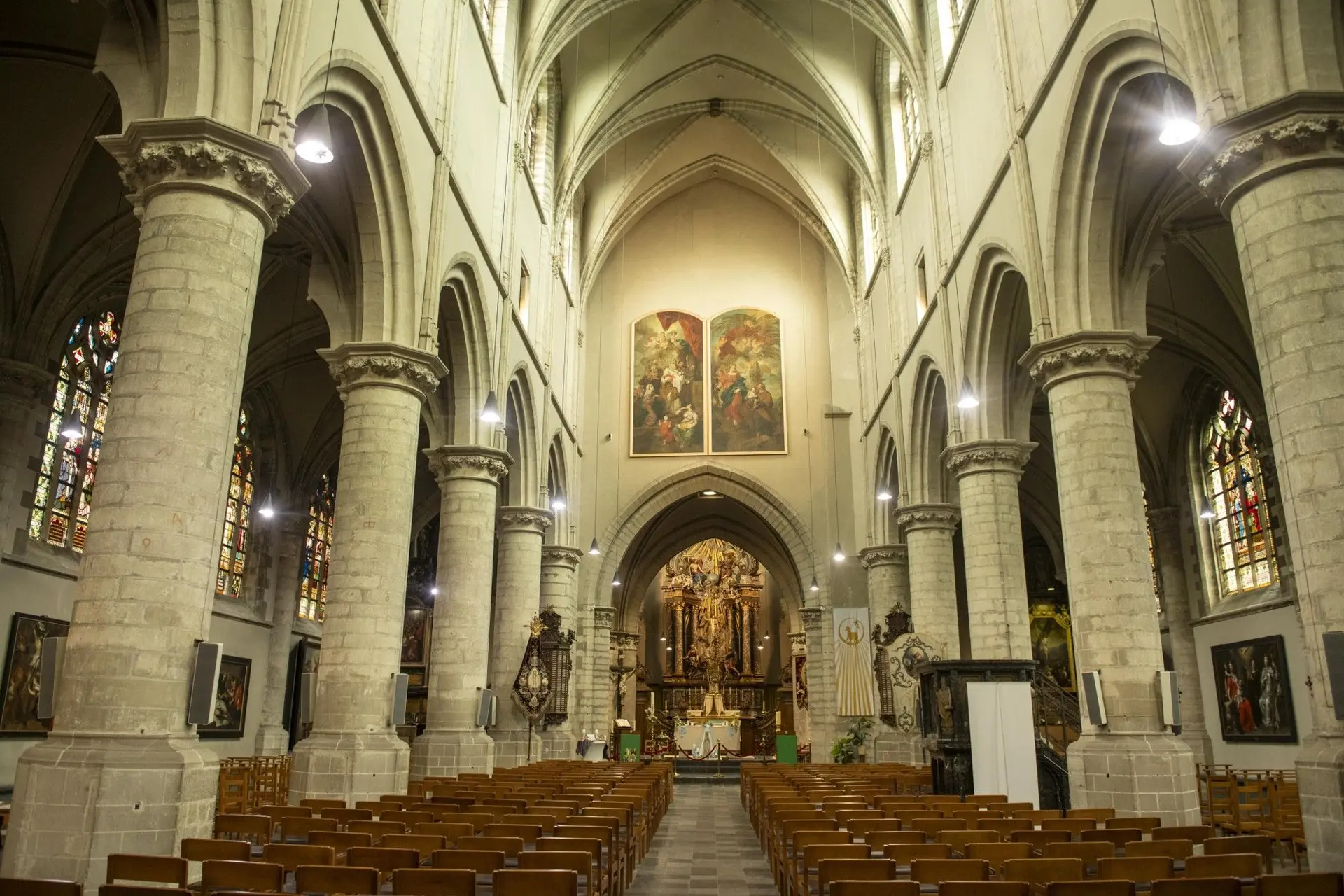
The church of Saint Waldtrude is a good example of local Brabant gothic style, erected in limestone.
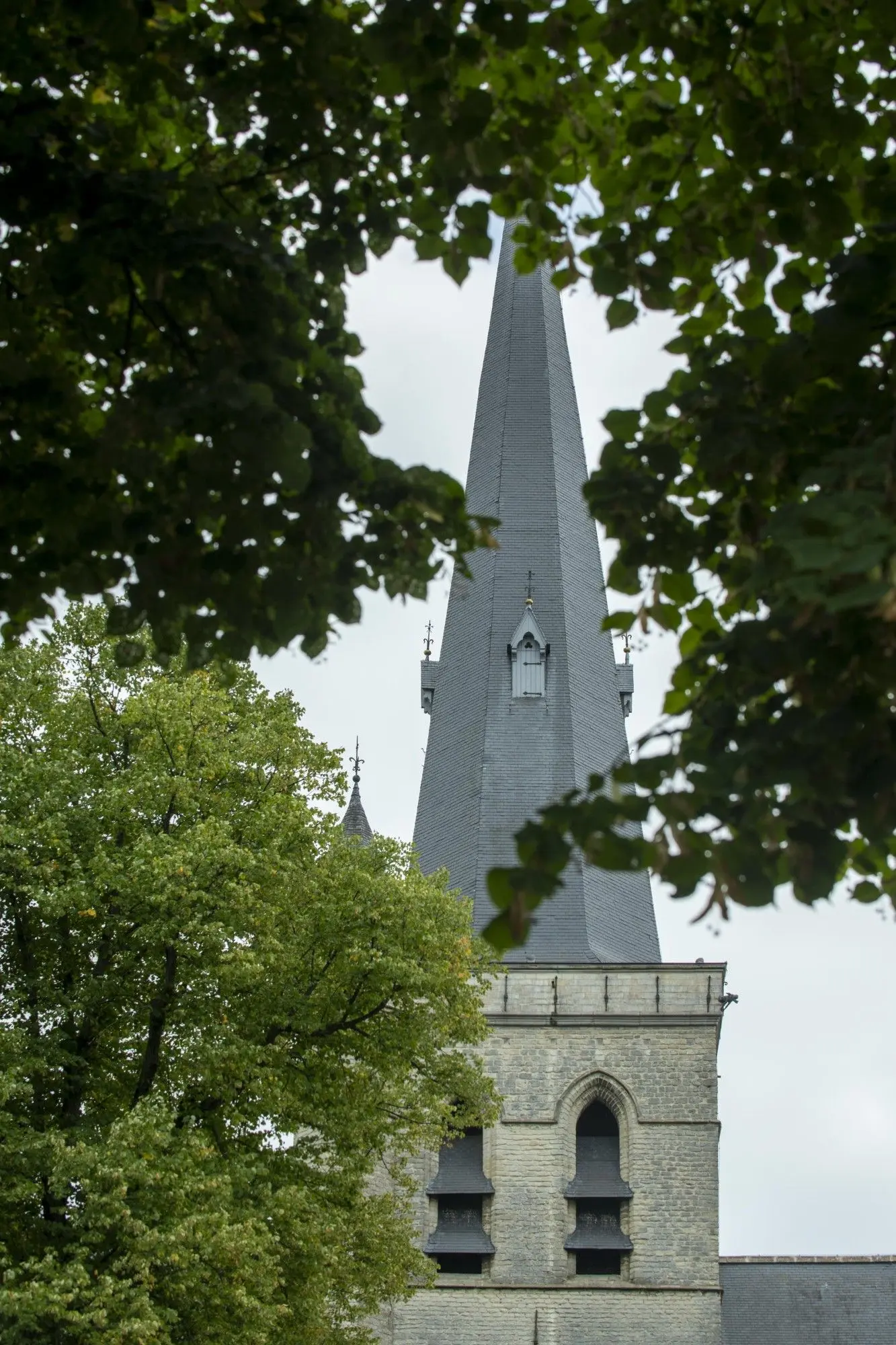
The crossing tower is a striking feature, seemingly sagging into the nave because the tower and the transept are remnants of the 14th century church, while the nave and chancel date from the 15th century. The design has been attributed to the Brussels architect Gillis van den Bossche. The chancel is richly decorated with gargoyles and pinnacles. The nave received a more sober interior.…
The church of Saint Waldtrude is a good example of local Brabant gothic style, erected in limestone.
The crossing tower is a striking feature, seemingly sagging into the nave because the tower and the transept are remnants of the 14th century church, while the nave and chancel date from the 15th century. The design has been attributed to the Brussels architect Gillis van den Bossche. The chancel is richly decorated with gargoyles and pinnacles. The nave received a more sober interior.
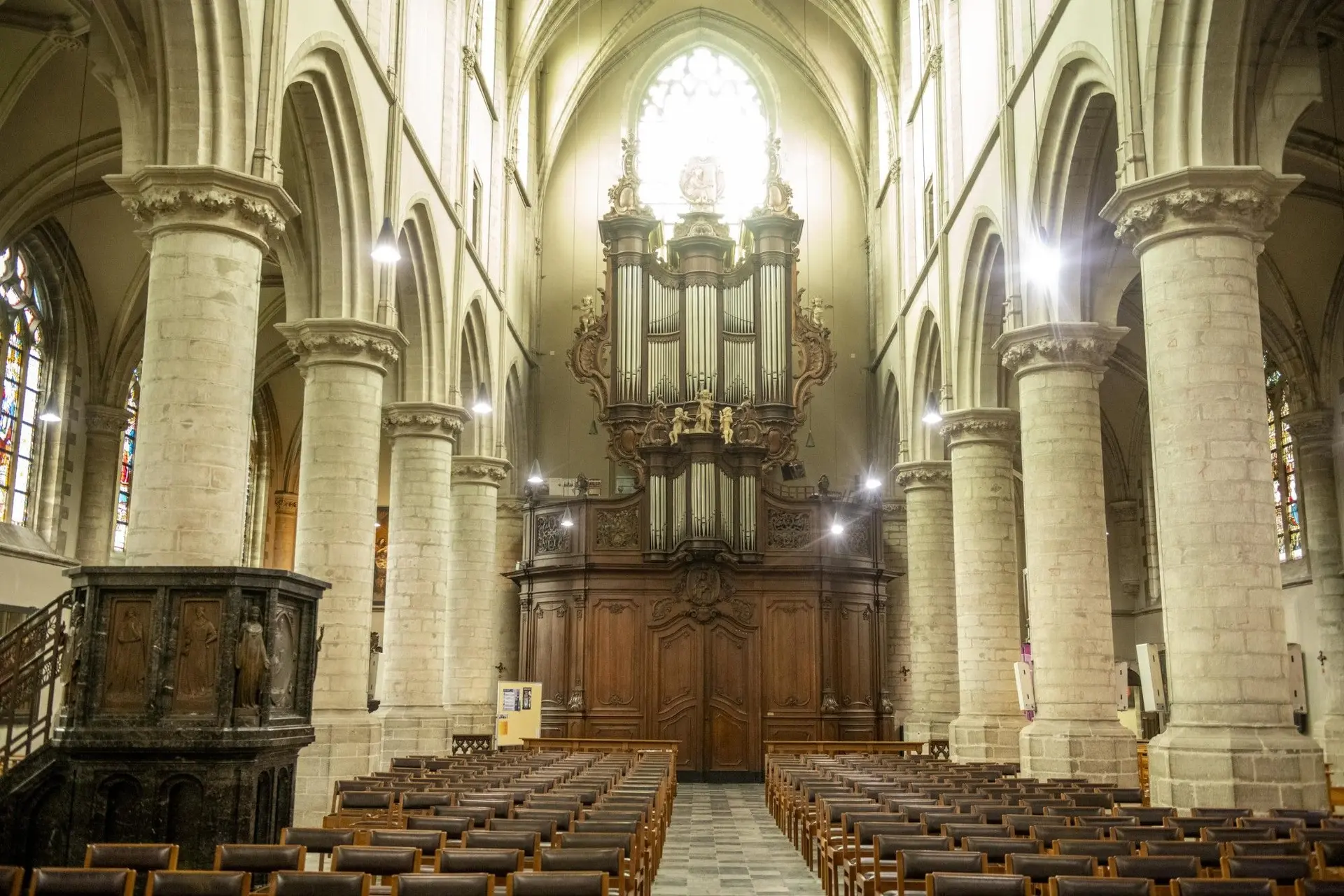
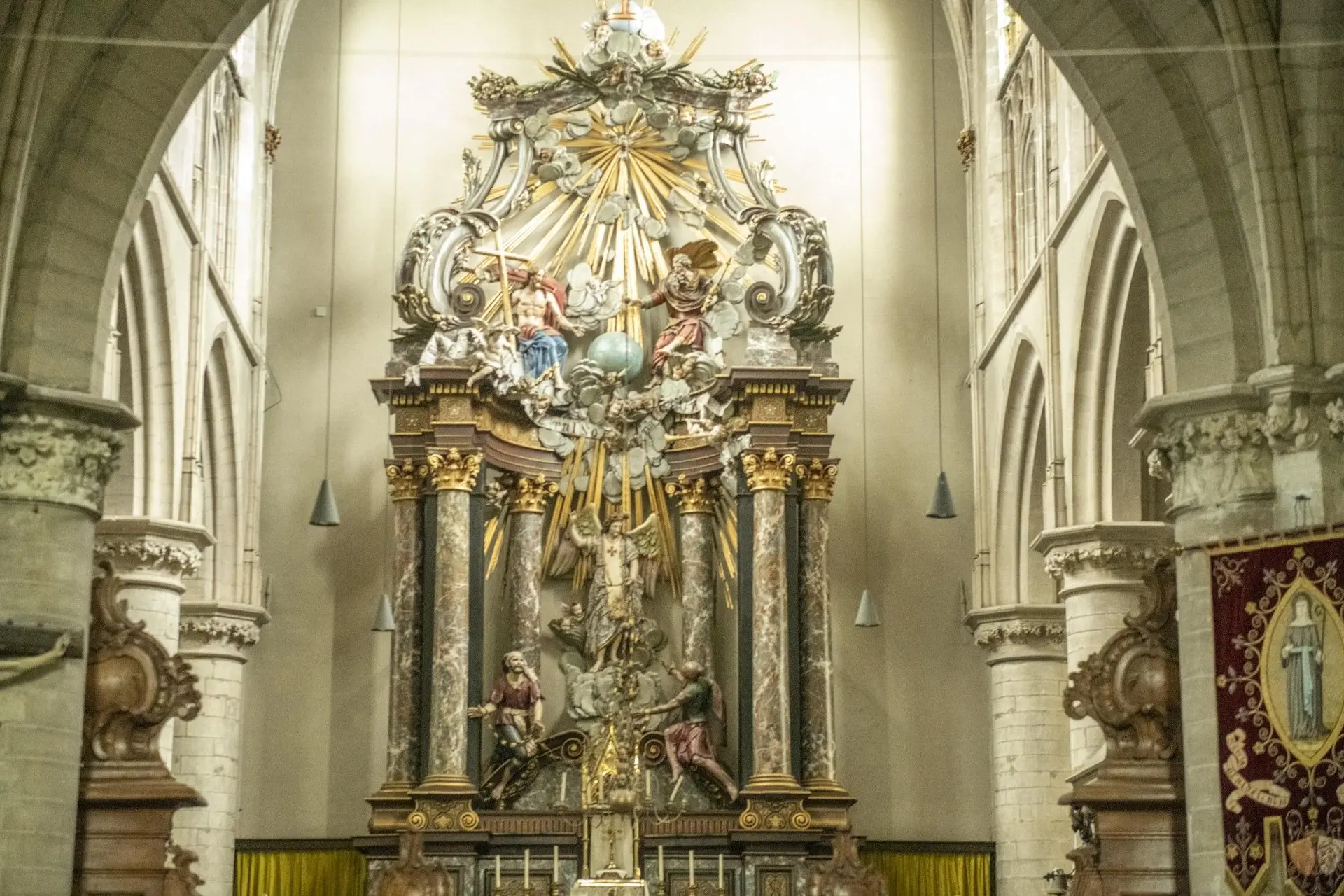
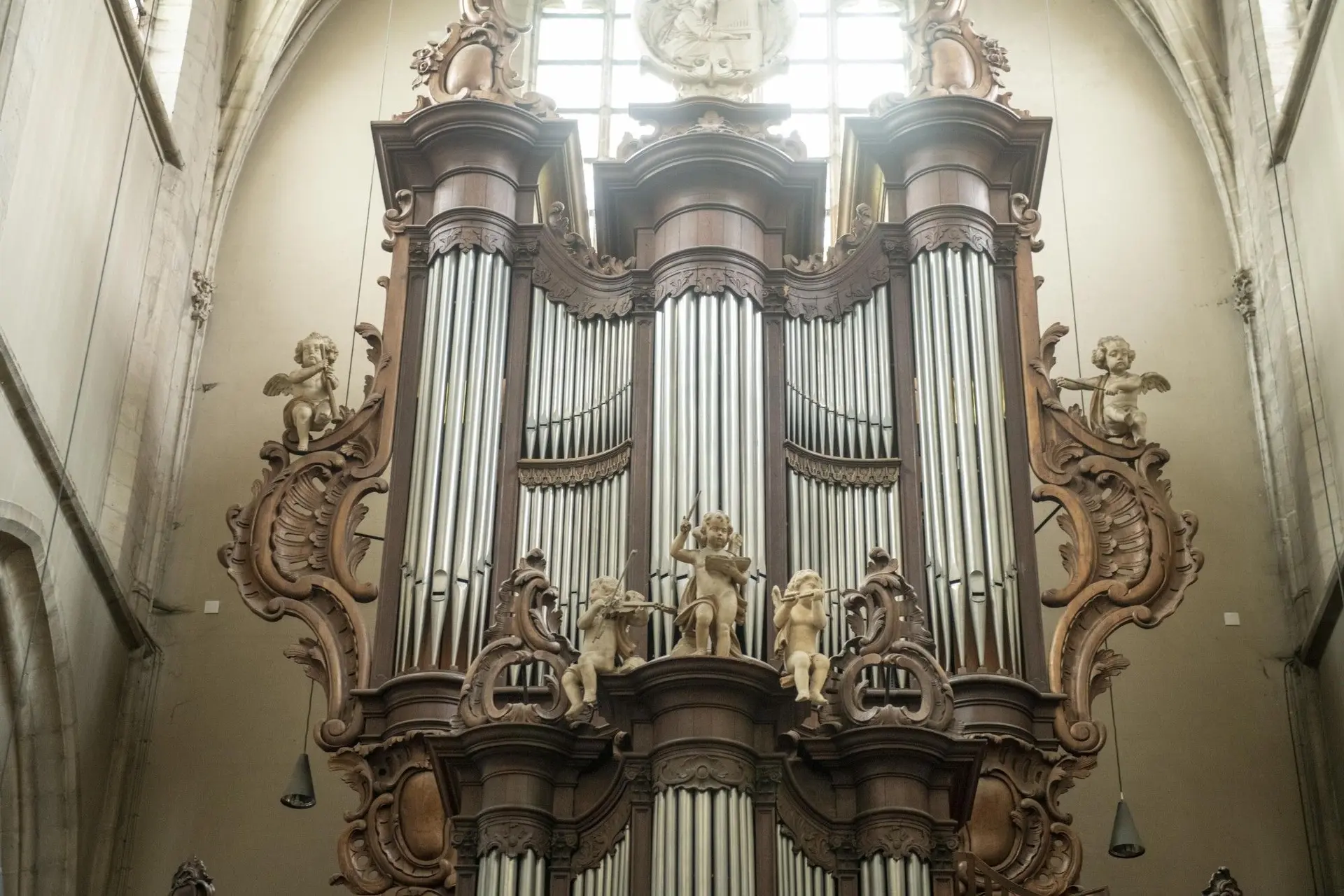
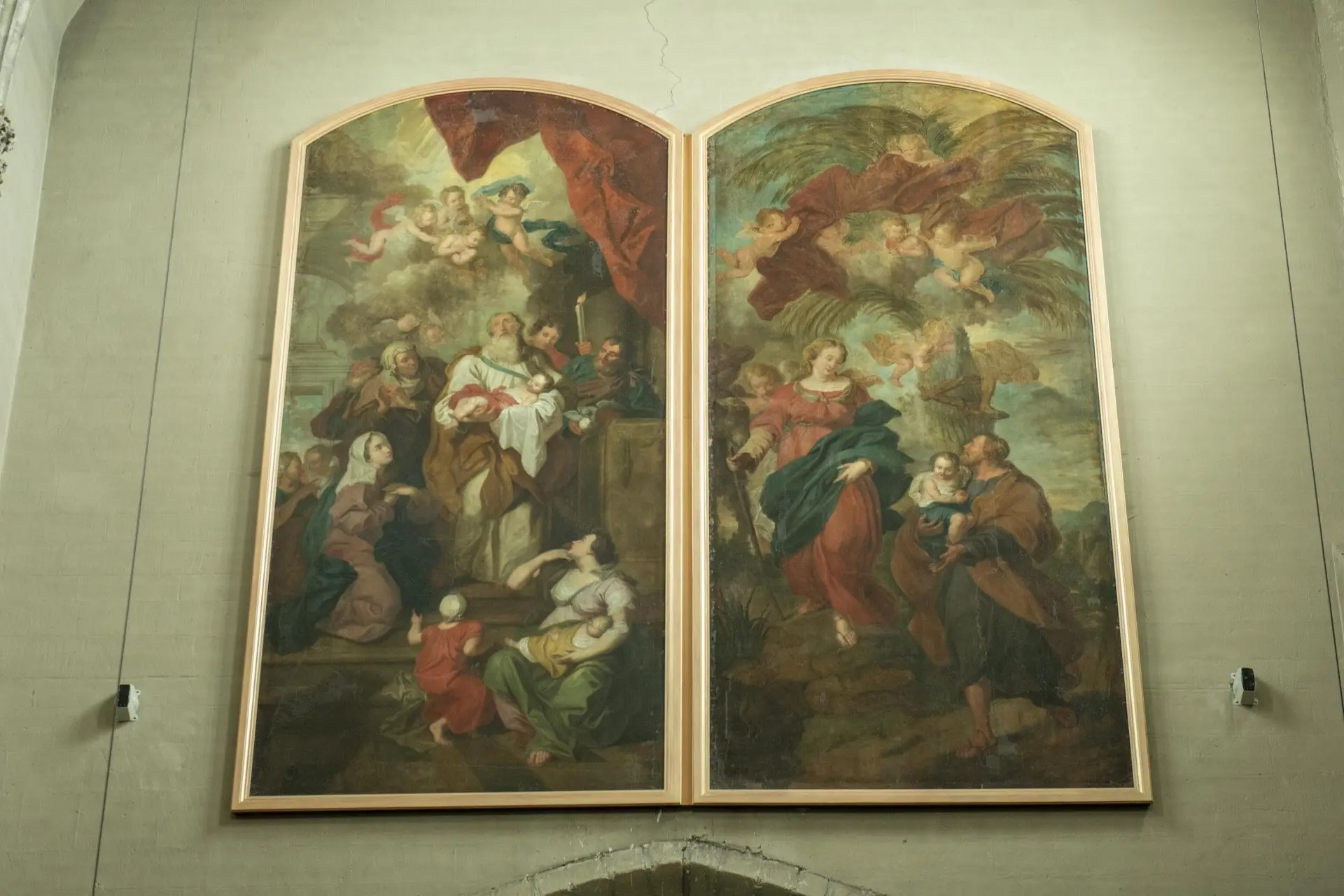
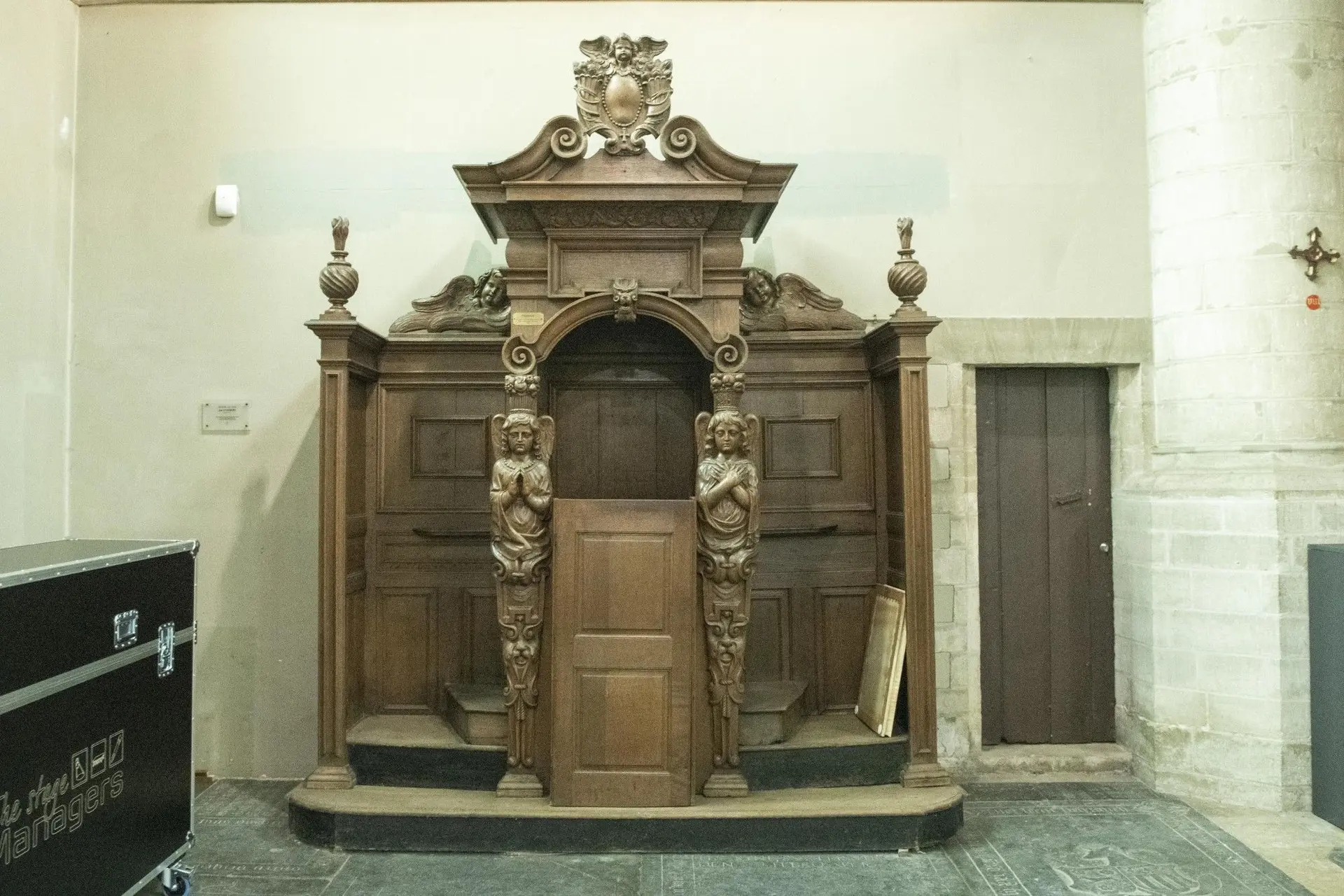
The uniform baroque interior contains several pieces of art such as the altar piece depicting Saint Crispin and Crispinianus and paintings by Franckens, De Vos, Jordaens and Cossiers.
The patron saint is Saint Waltrude from the Hainaut province. She lived in the 7th century and was from nobel descent. She founded an abbey for women where she and her 2 daughters retreated. This abbey formed the early beginnings of the town of Mons and later developed into a chapter of regular canonesses for the nobility. This chapter owned several pieces of land, including a property in Herentals, which explains the link between the town and the saint. The chapter also owned rights to the church until the end of the Ancien Régime.
A free brochure of the church and its history is available.
KIKIRPA : Photo-library online
Remarkable elements
Altapiece Saints Crispin and Crispinian
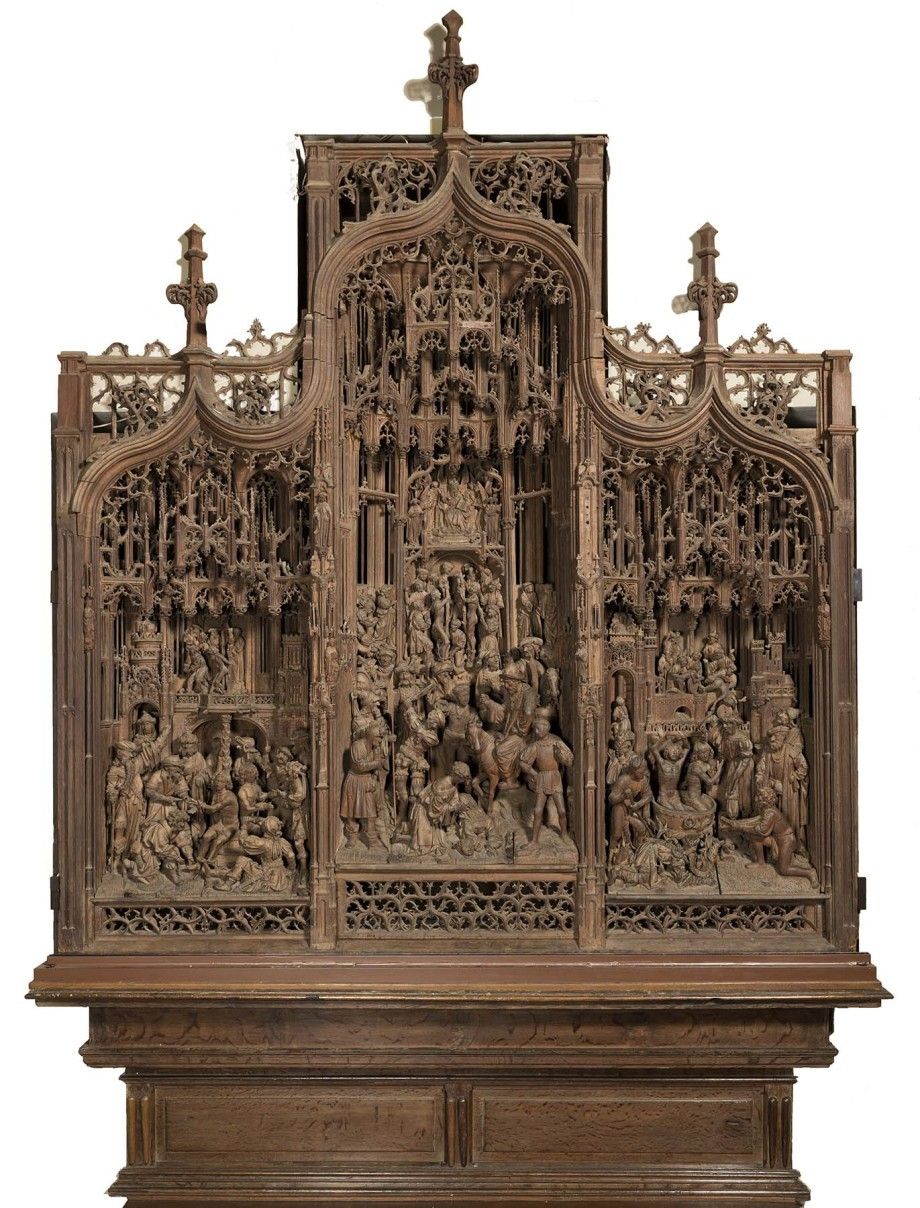
Altar of Saints Crispin and Crispinian, the patron saints of the craft of tannery and…
Altar of Saints Crispin and Crispinian, the patron saints of the craft of tannery and shoemaking. This famous Brussels altarpiece is the work of Passier Borreman (around 1520). One can read his name on the two figures in the left scene. The consecutive episodes of the martyr’s death of the two saints should be read from left to right to end in the middle.
Architectural sculptures in the southern choir aisle
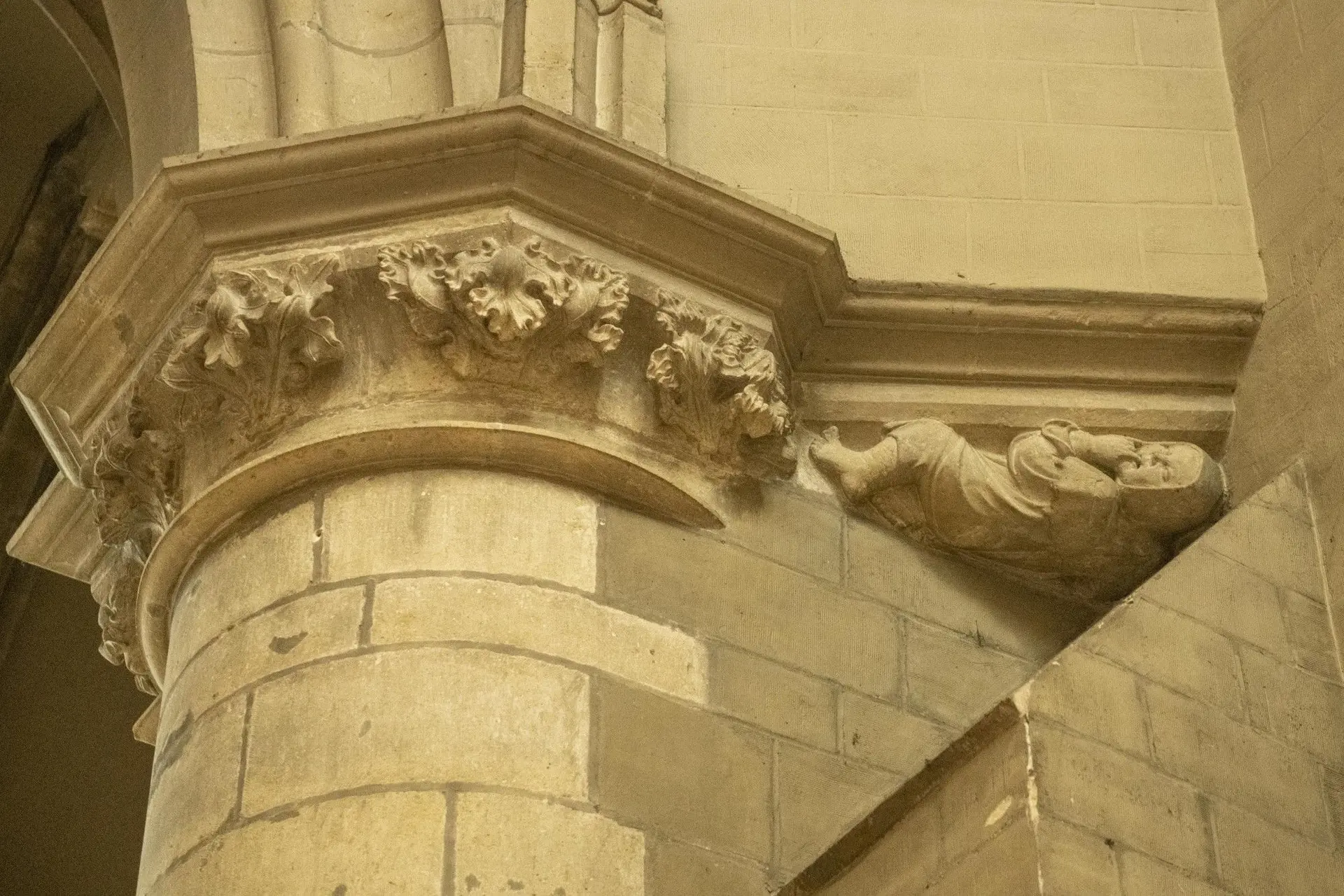
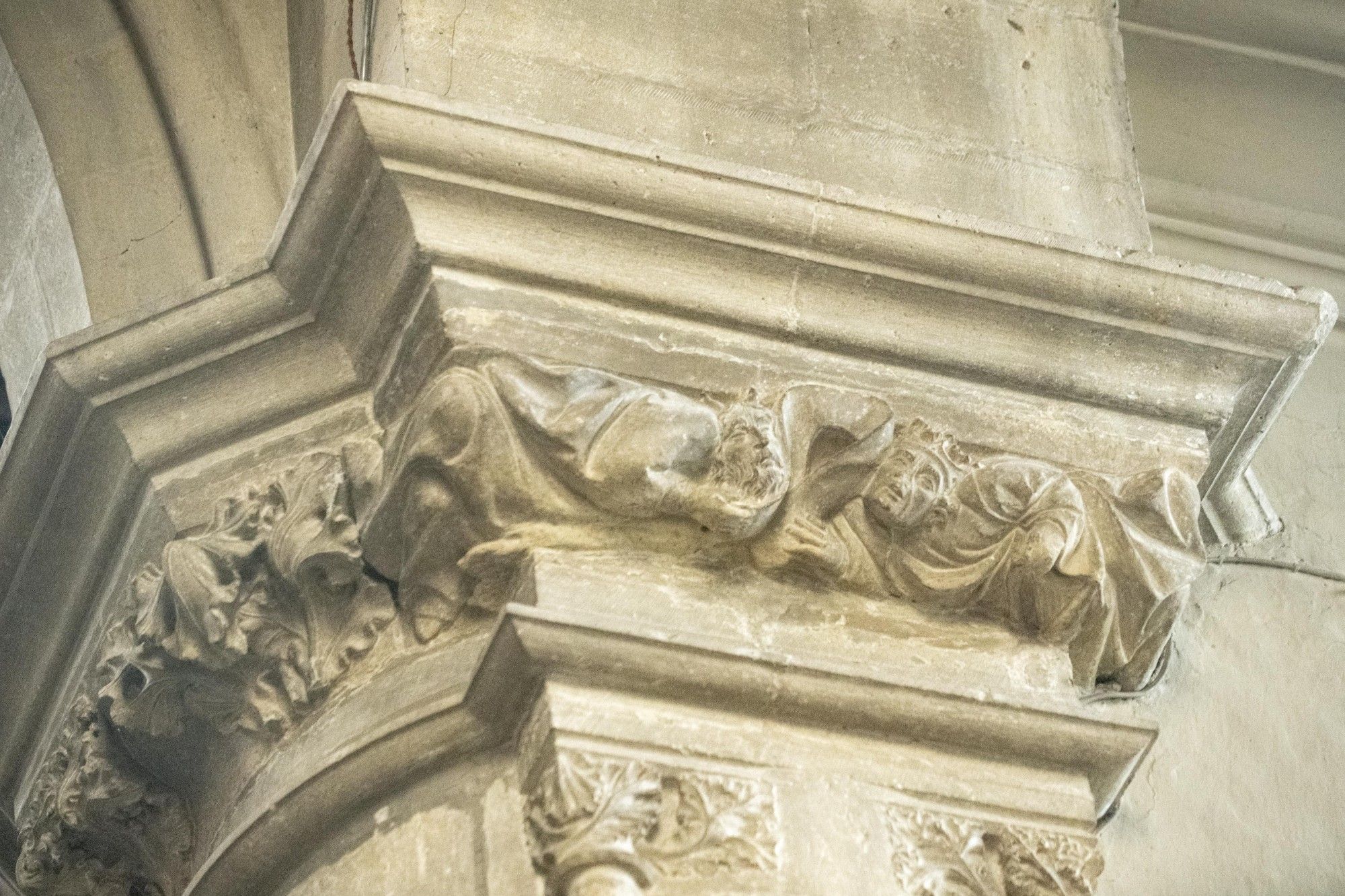
Against the capitals of the choir columns, a well looked after sculpture has been placed on…
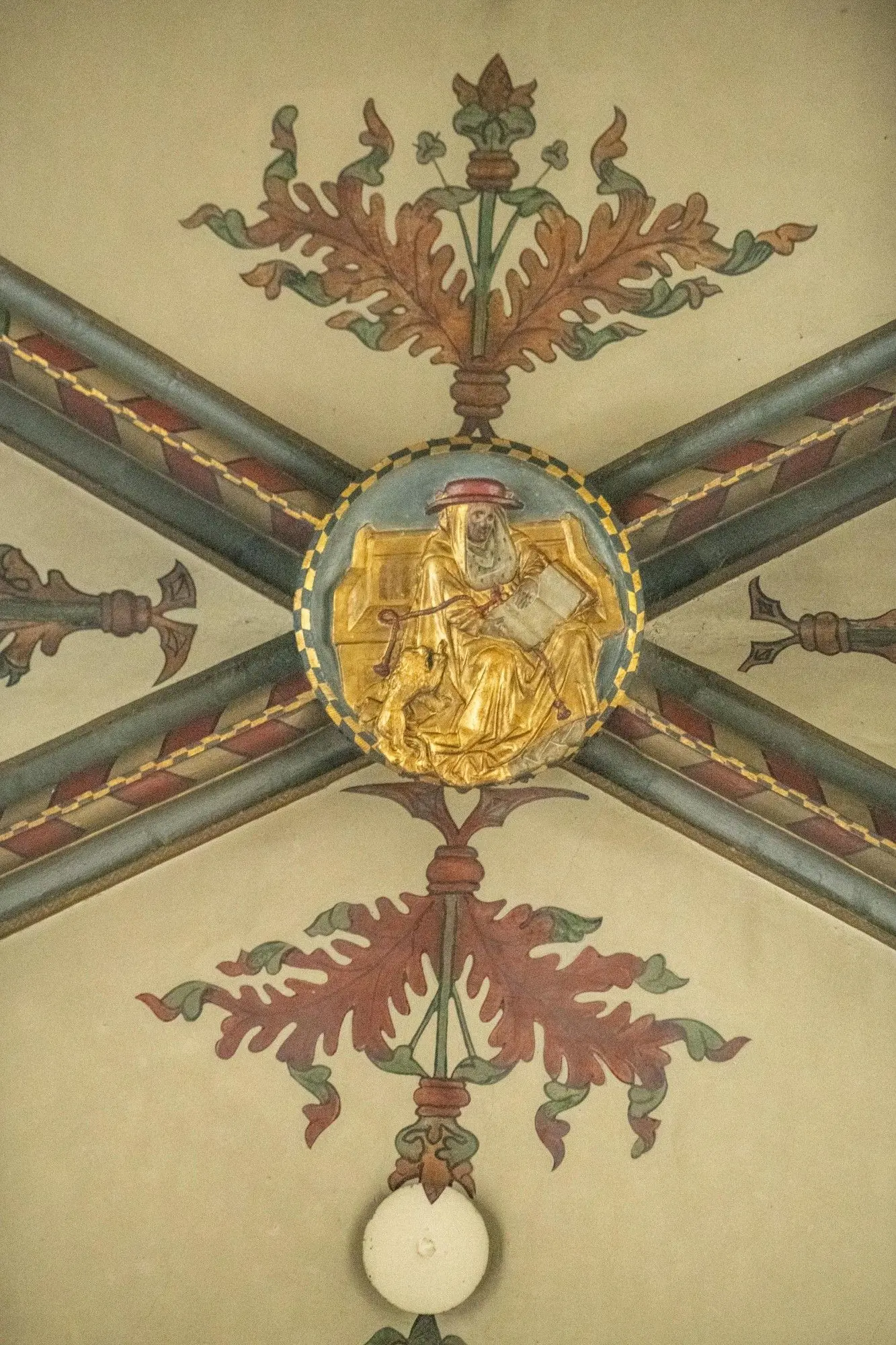
Against the capitals of the choir columns, a well looked after sculpture has been placed on which the following figures are depicted : Adam and Eve, Noah, Abraham and Isaac, Moses and David (first half of the 15th century). The keystones of the choir show the three Western church fathers. The statues are said to have been based on drawings by Rogier van der Weyden (1449).
M. van Heemskerck, ‘The lamentation of Christ’
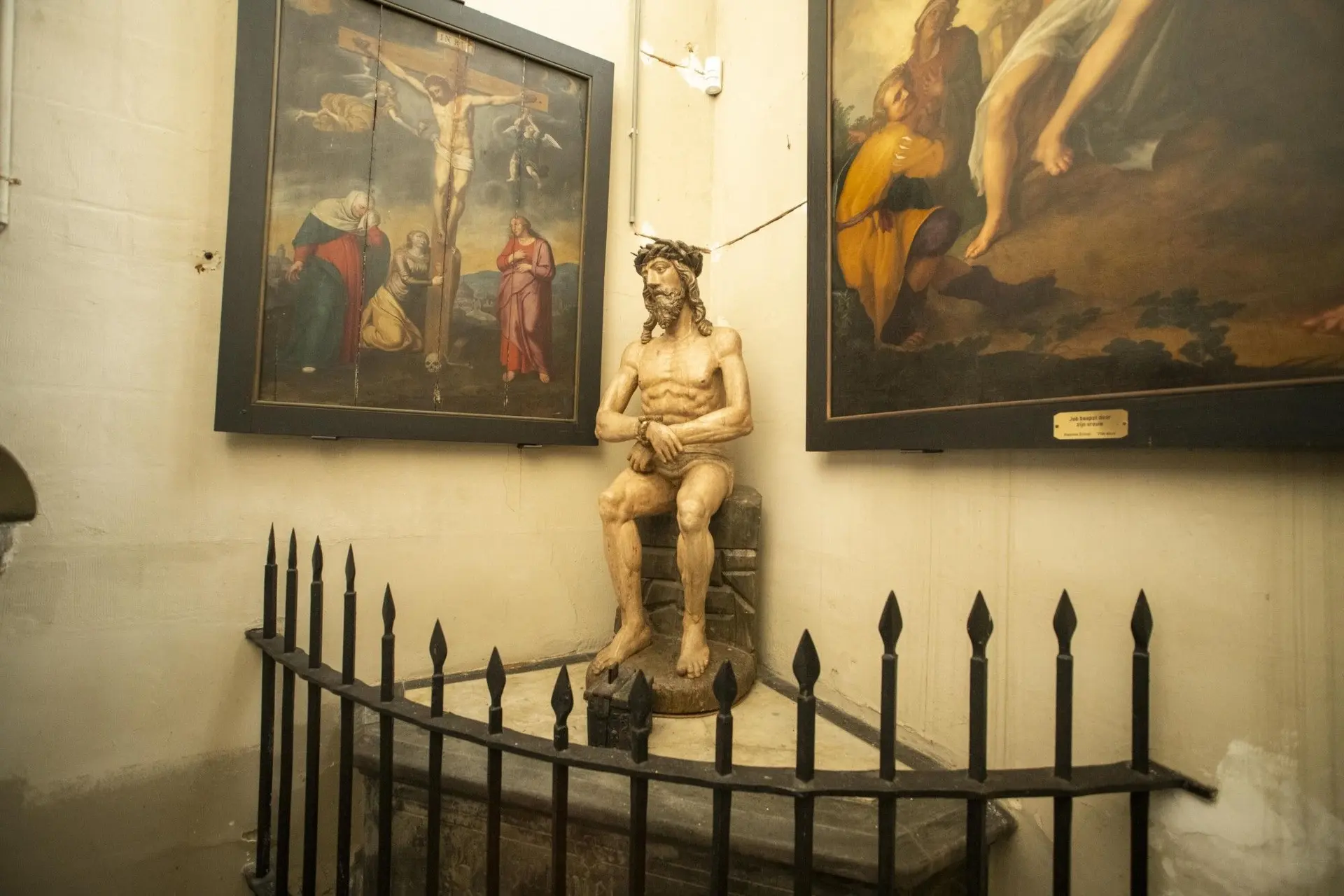
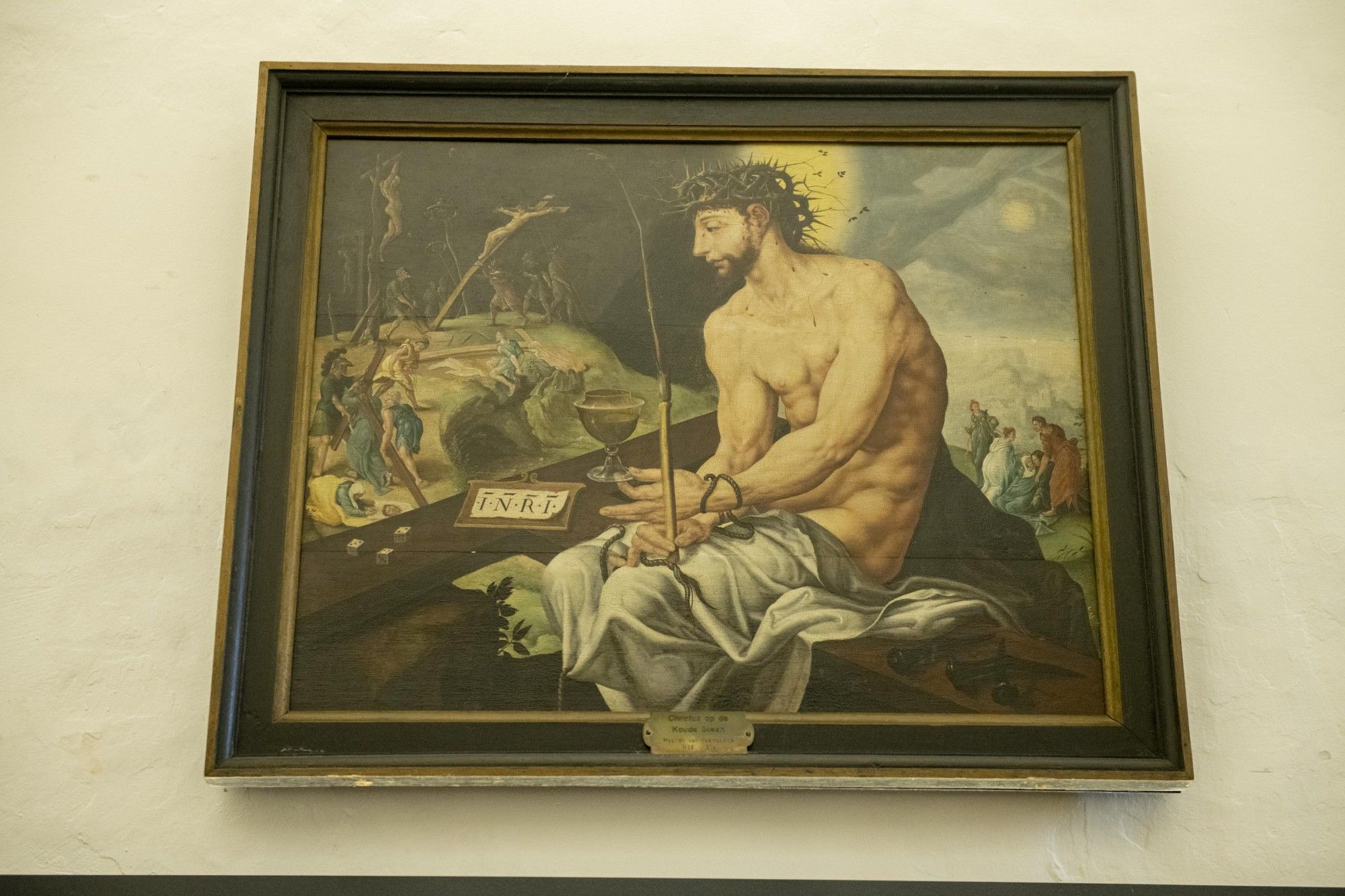
This remarkable painting on panel by the Renaissance painter Maarten van Heemskerck from the…
This remarkable painting on panel by the Renaissance painter Maarten van Heemskerck from the city of Haarlem (mid-16th century) shows a brooding Christ awaiting his crucifixion. He is surrounded by objects that played a role in this. In the background, one can see various scenes from the Passion. It is located in the old sacristy, now decorated as a treasure trove.
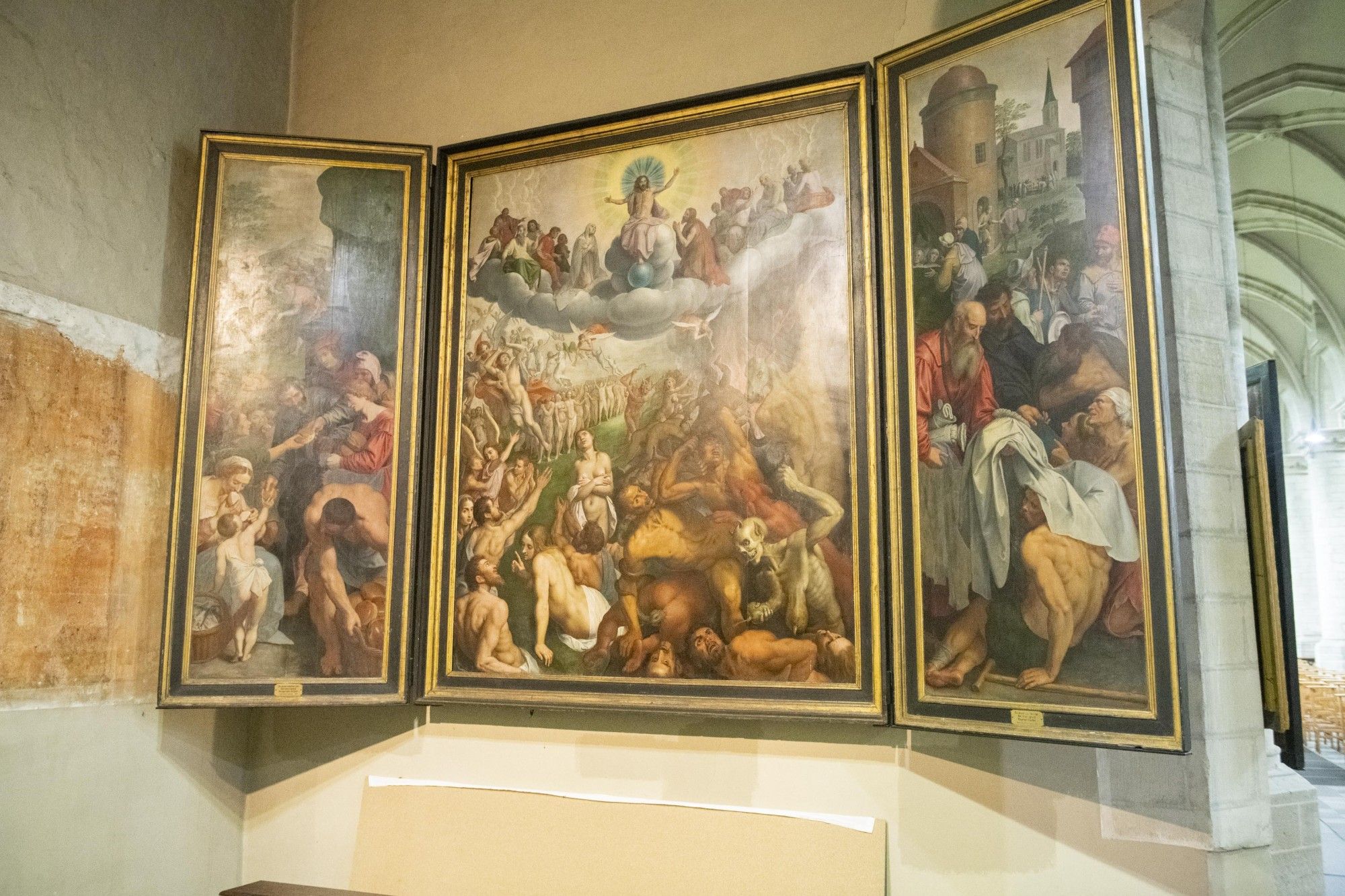
A. Francken, triptych ‘Final Judgment and Acts of Mercy’
In the southern transept, hangs the triptych by Ambrosius Francken from 1610. It represents the…
In the southern transept, hangs the triptych by Ambrosius Francken from 1610. It represents the Last Judgment and the Seven Acts of Mercy and was meant for the altar of the table of the Holy Spirit, the parochial department for the poor.
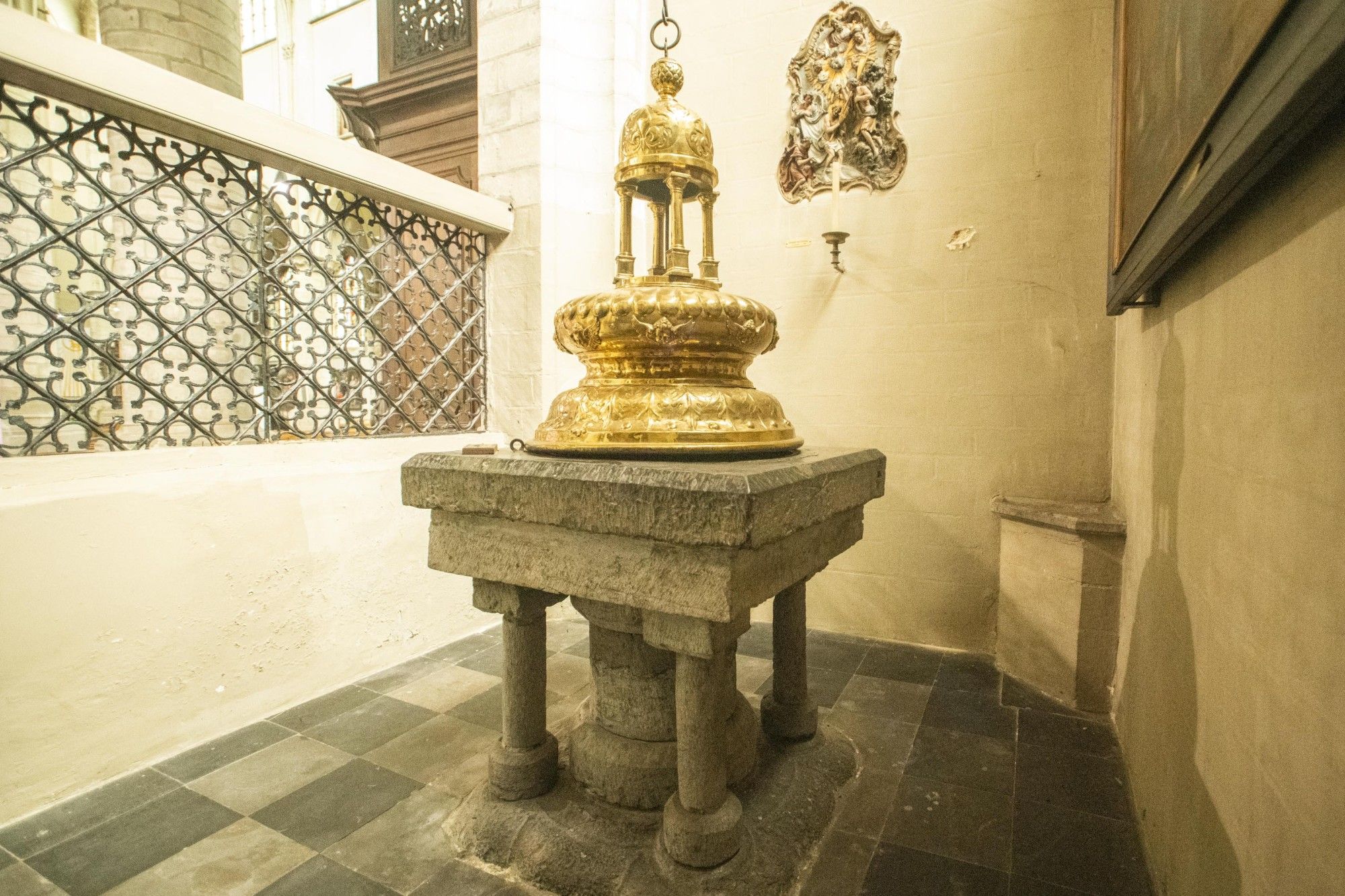
Tournai baptismal font from the 13th century
In the baptistery, stands an austere baptismal font from the 13th century. It is covered with a…
In the baptistery, stands an austere baptismal font from the 13th century. It is covered with a yellow brass lid from coppersmith Geraard van Opstal from the city of Herentals in 1642.
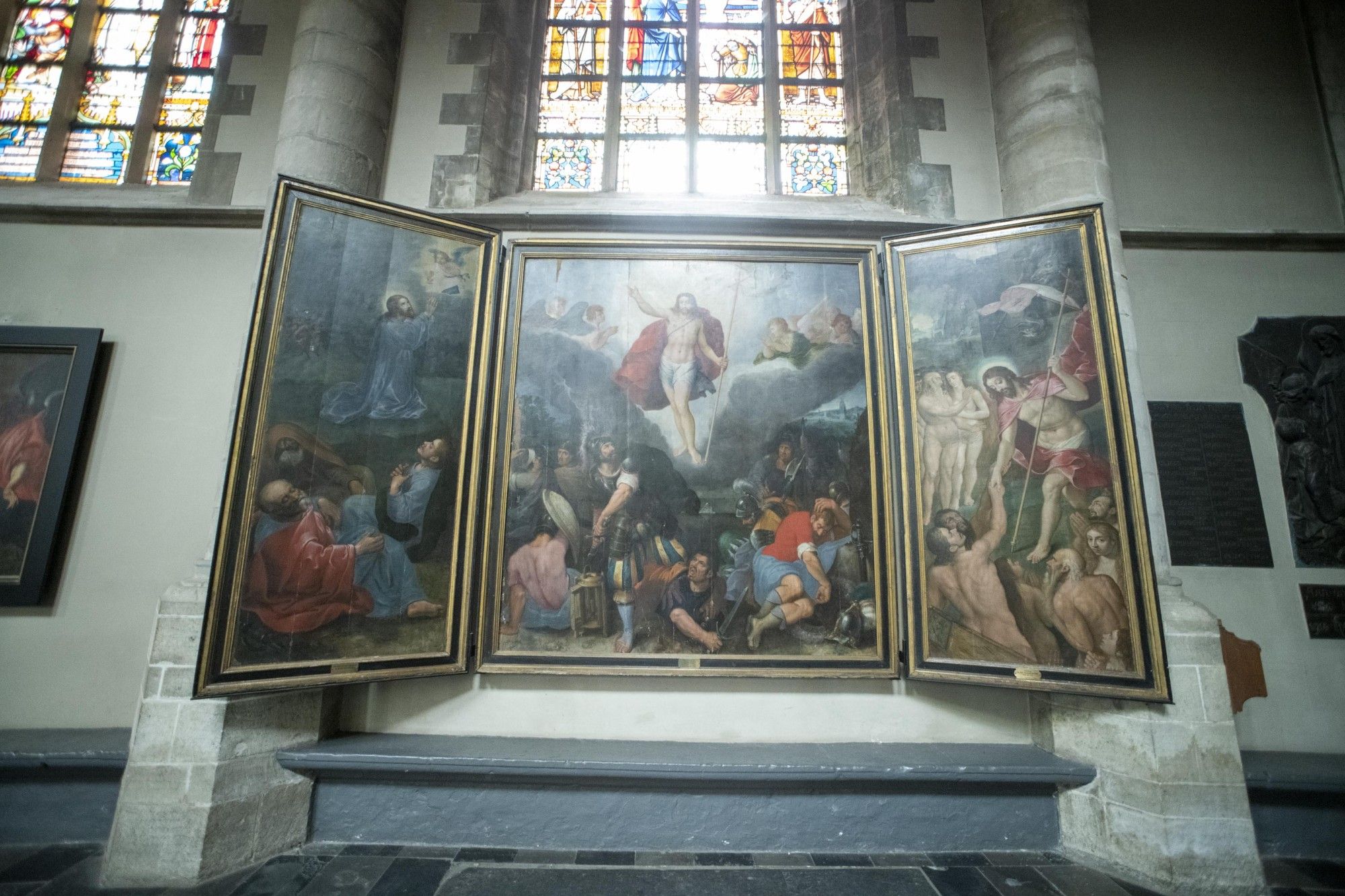
F. Francken, triptych ‘The resurrection’
This triptych by Frans Francken from 1604, is located in the northern side aisle. It was meant…
This triptych by Frans Francken from 1604, is located in the northern side aisle. It was meant for the altar of the brewer’s craft of the city of Herentals.
Labels

Hours
Closed
Additional information
Possible all year round under guidance of a city guide.
Book in advance via the Culture and Tourism Service: Grote Markt 35, 2200 Herentals +32 14 21 90 88.
Religious services
Nearby buildings




Comments (0)