
 © Laure Simon
 © Christiane Kremer-Hoffmann
 © Laure Simon
About this building
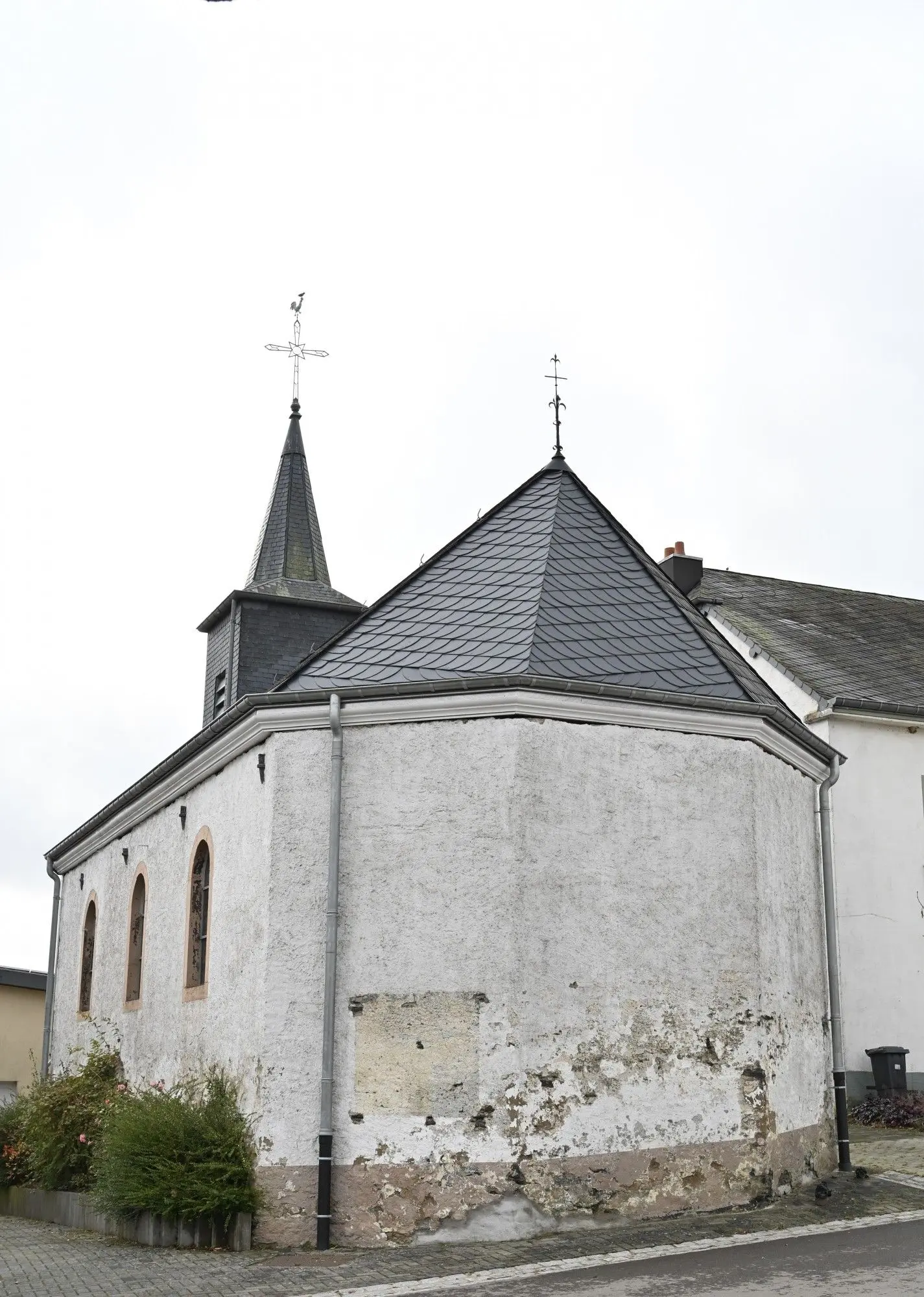
The tent-shaped architecture is typical of many church buildings from the 1950s and 1960s; the tent is a biblical and Christian symbol, reminiscent of the wandering…
The tent-shaped architecture is typical of many church buildings from the 1950s and 1960s; the tent is a biblical and Christian symbol, reminiscent of the wandering people of God. The baroque altars, which were taken over from the predecessor church, were restored in 1990 by the Oestreicher company from Wiltz - after the uniform grey whitewash had been removed, they were given back their original polychrome colouring.
Remarkable elements
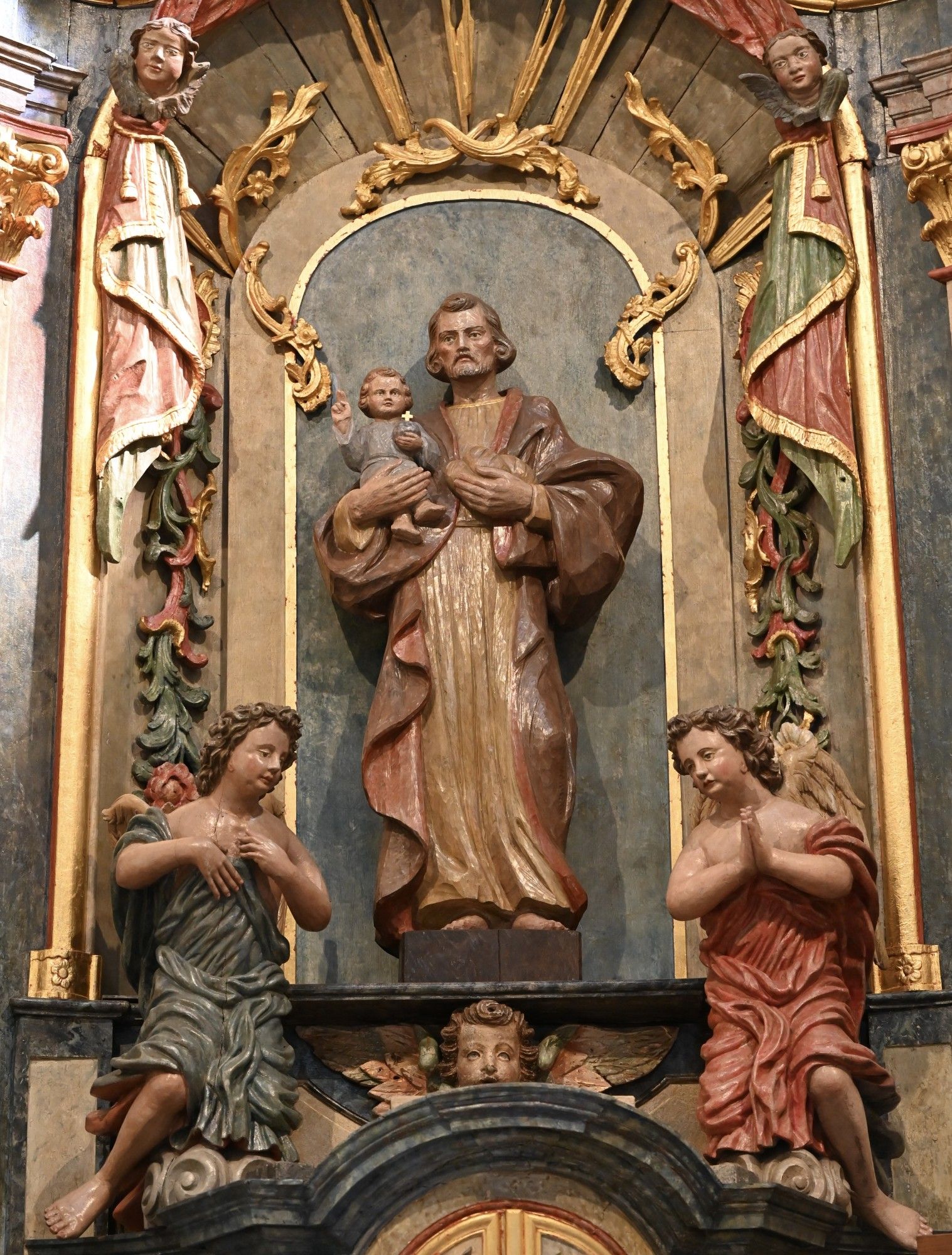
St. Joseph
St. Joseph, here with the infant Jesus on his arm, is the patron saint of the church and…
St. Joseph, here with the infant Jesus on his arm, is the patron saint of the church and protector of the marriage and family and the workers. The wooden statue in baroque style was made by the Luxembourg sculptor A. Kratzenberg.
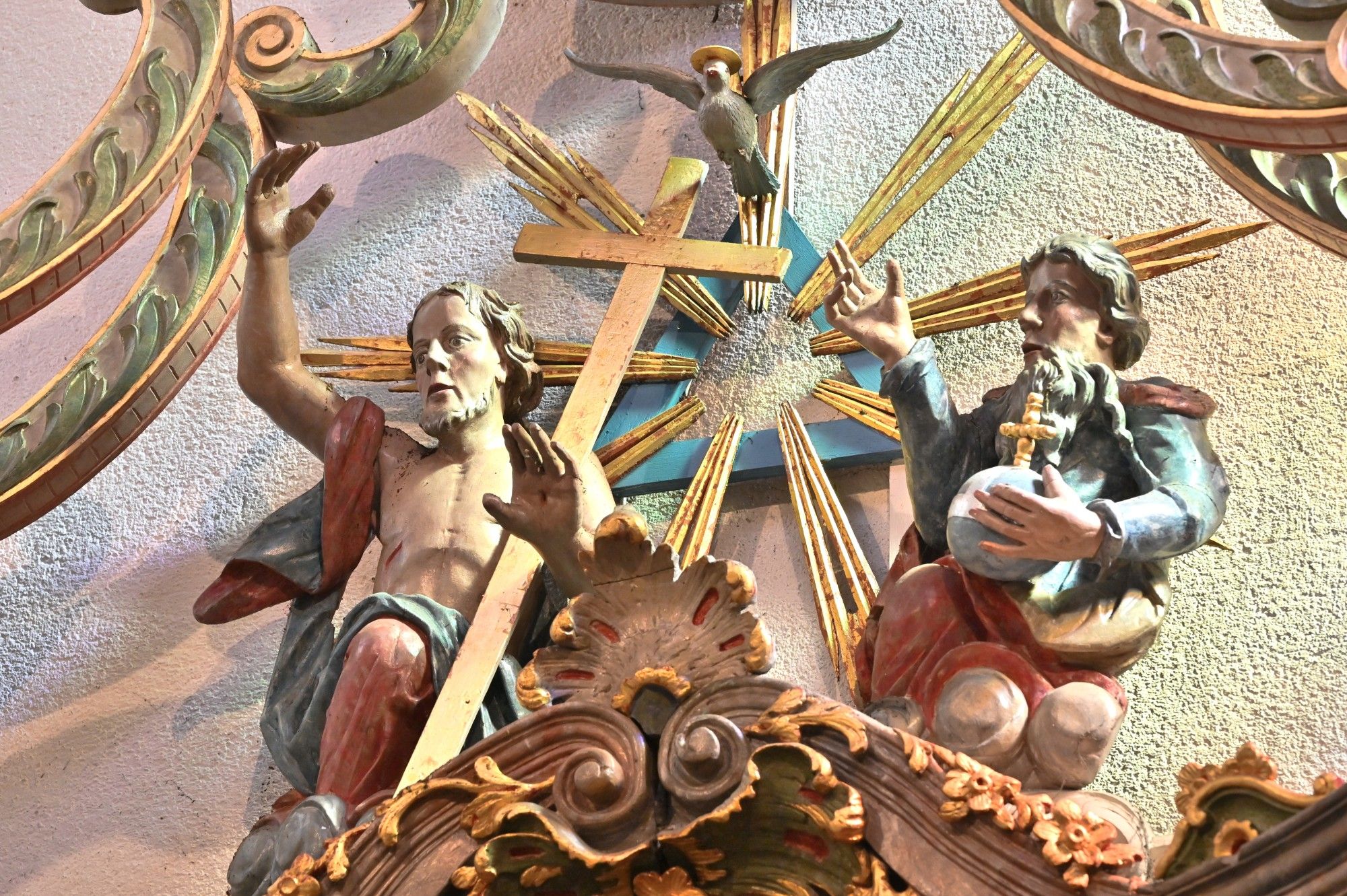
Holy Trinity
Representation of the Trinity with God the Father (with the globe), God the Son (with the cross)…
Representation of the Trinity with God the Father (with the globe), God the Son (with the cross) and the dove, the symbol of the Holy Spirit. Father and Son stretch out their hands in the sense of unity with mankind.
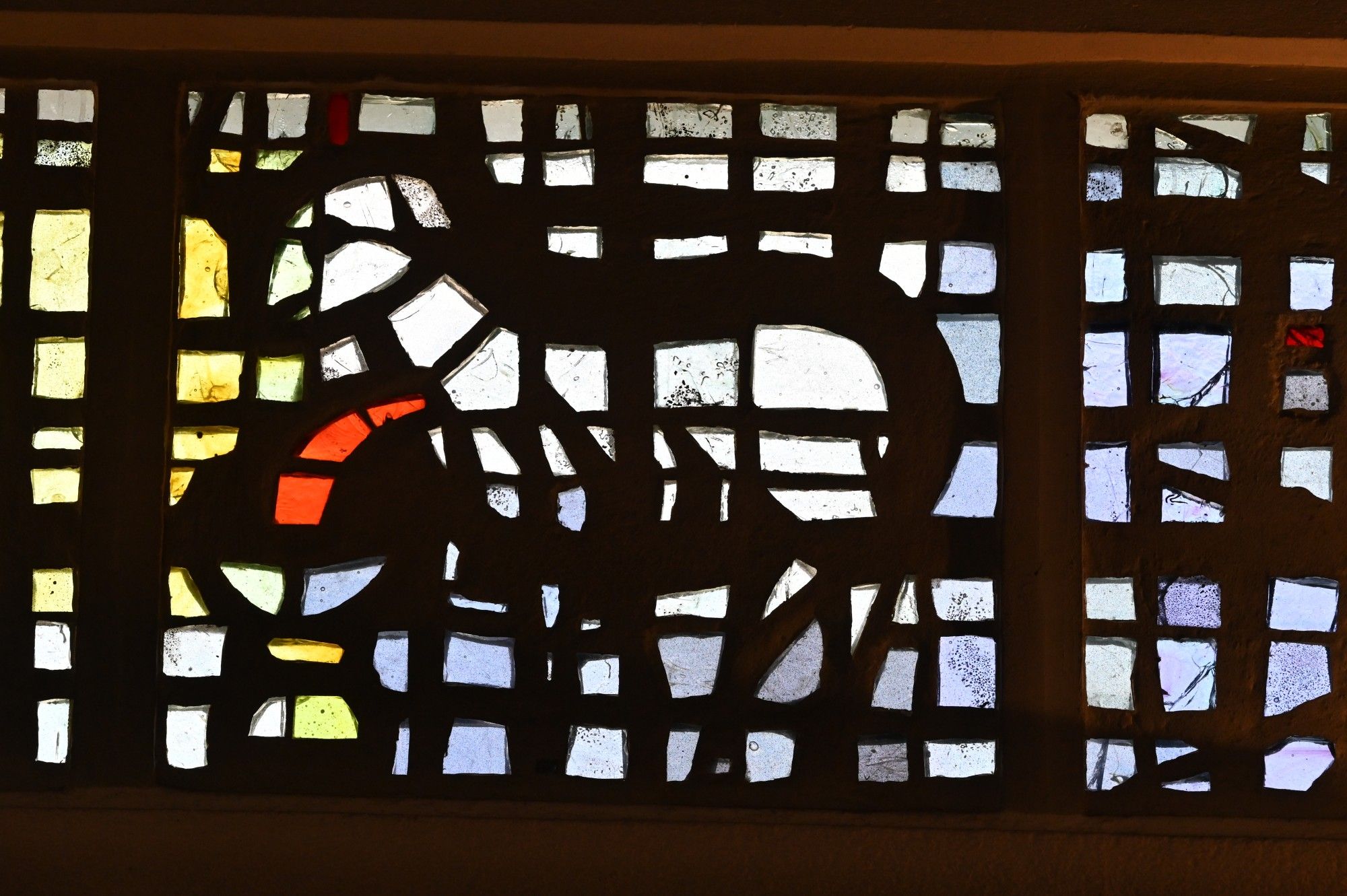
Glass blocks
The artist is Jean Barillet from Paris, who also created glass windows for the cathedral in…
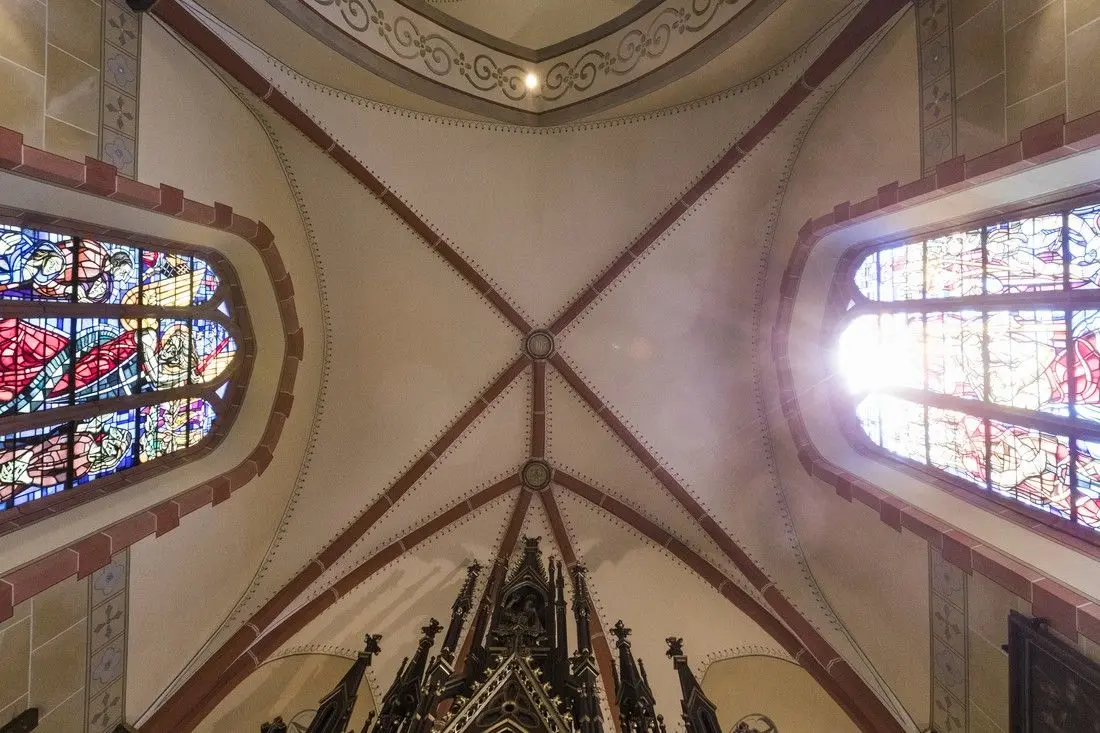
The artist is Jean Barillet from Paris, who also created glass windows for the cathedral in Luxembourg, among others. The glass set in concrete creates beautiful light effects which are reflected, among other things, in the basic theme of the seven sacraments.
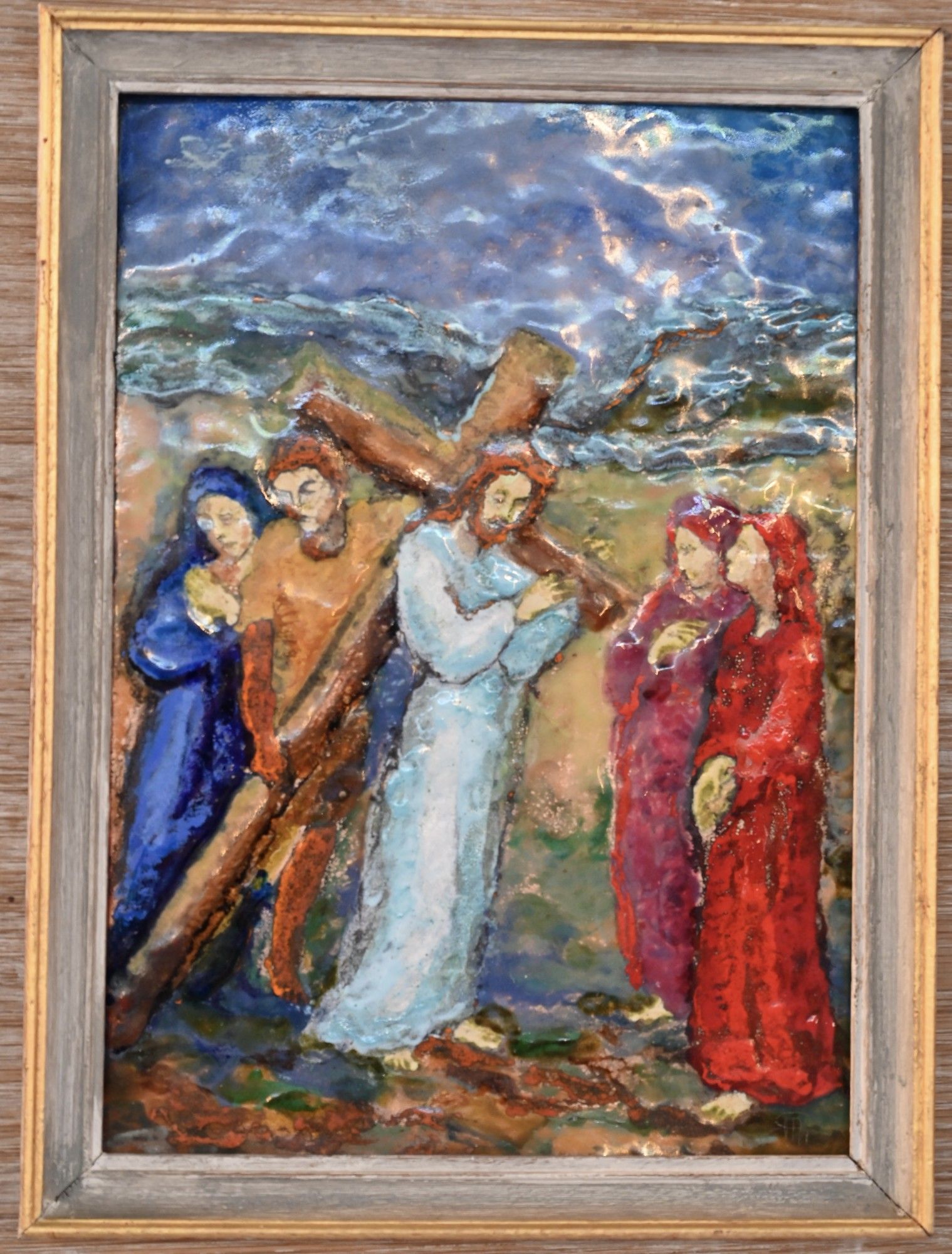
Stations of the cross
The enamel works are by the French landscape and still life painter Marc Gimat (+ 1969), who…
The enamel works are by the French landscape and still life painter Marc Gimat (+ 1969), who kept to the existing colour scale of the room.
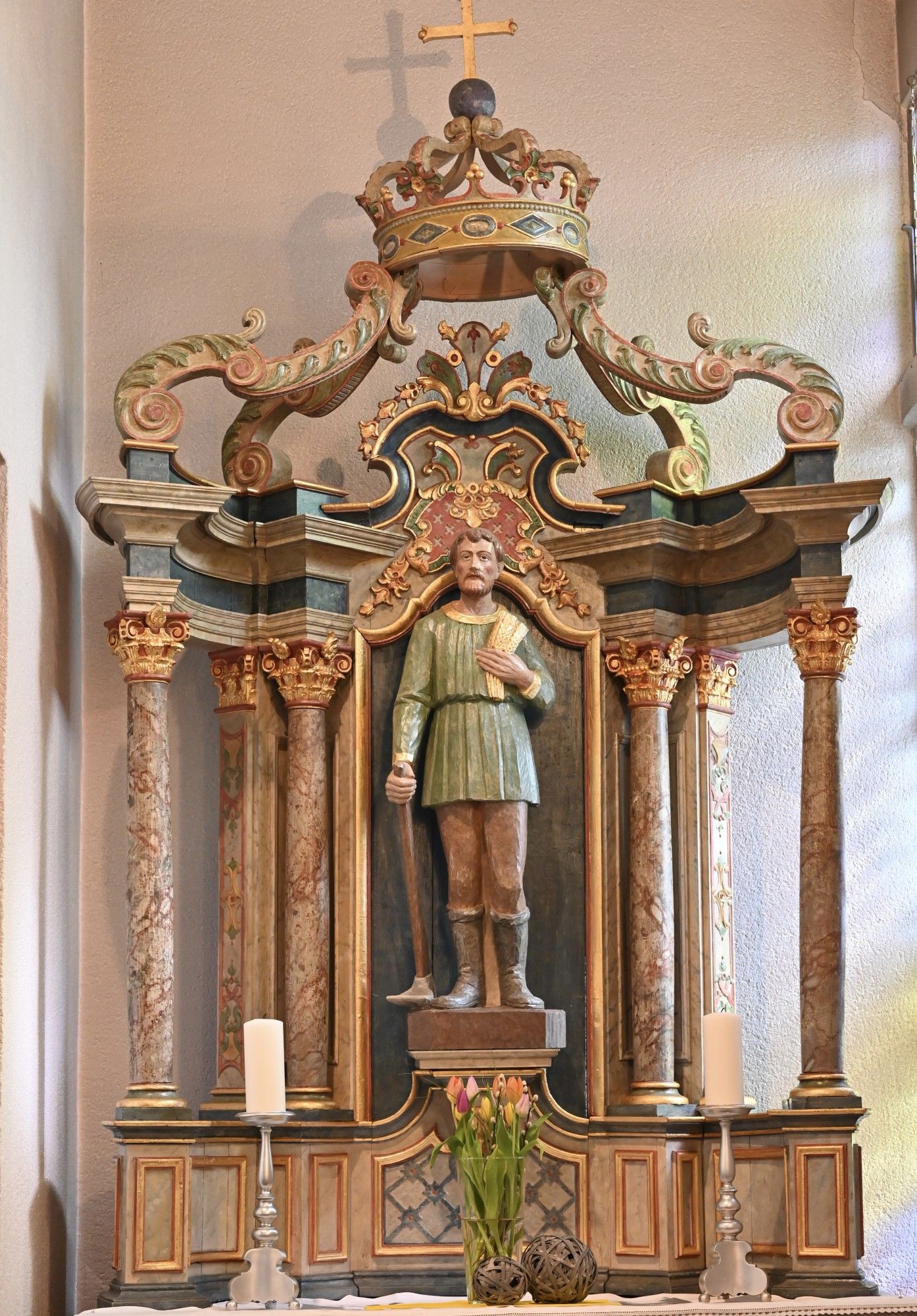
The “village saint” St. Isidore
(right side altar)
A Spanish peasant who was canonised in 1622. He is first mentioned in…
(right side altar)
A Spanish peasant who was canonised in 1622. He is first mentioned in Huldingen in a document of 1741. In today's Luxembourg, Huldingen is his only place of worship.
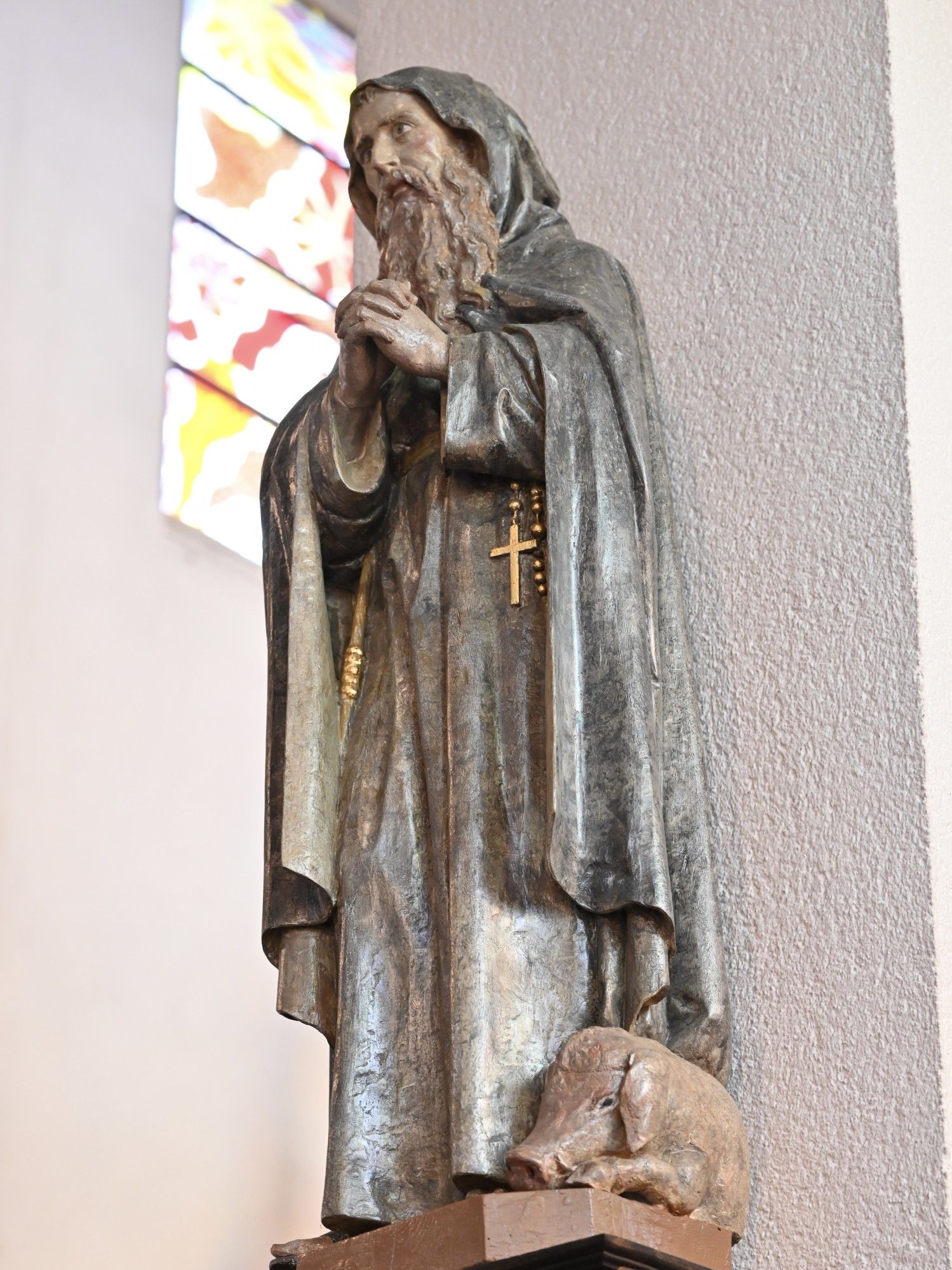
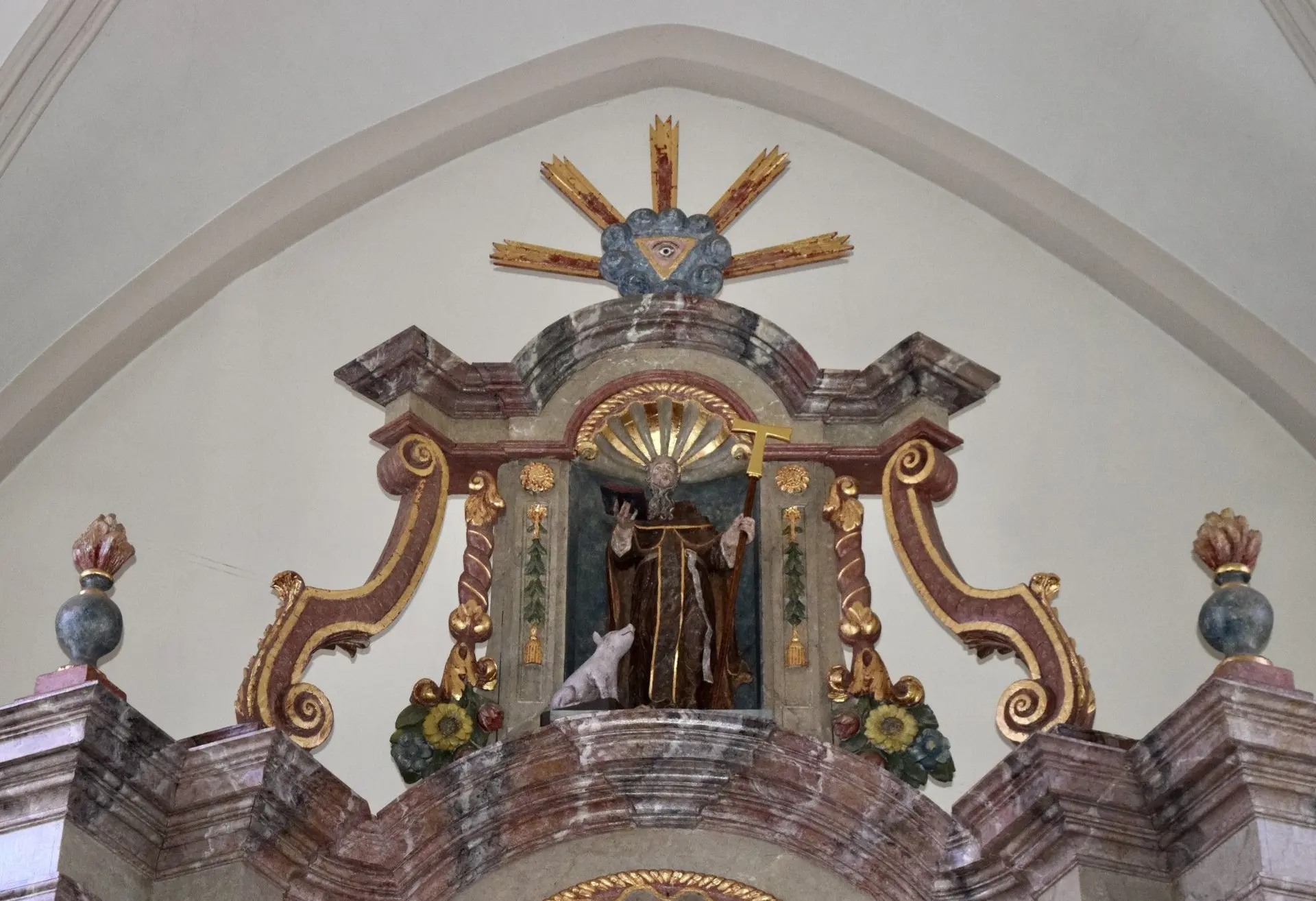
St. Anthony,
ascetic and hermit, is considered as the founder of Christian monasticism. One of his attributes…
ascetic and hermit, is considered as the founder of Christian monasticism. One of his attributes is the pig. He is venerated as the patron saint of peasants and domestic animals.
Labels

Hours
Closed
Nearby buildings

Tours associates


Comments (0)