
 © Caroline Martin
 © Caroline Martin
 © Fernand Friederes
About this building
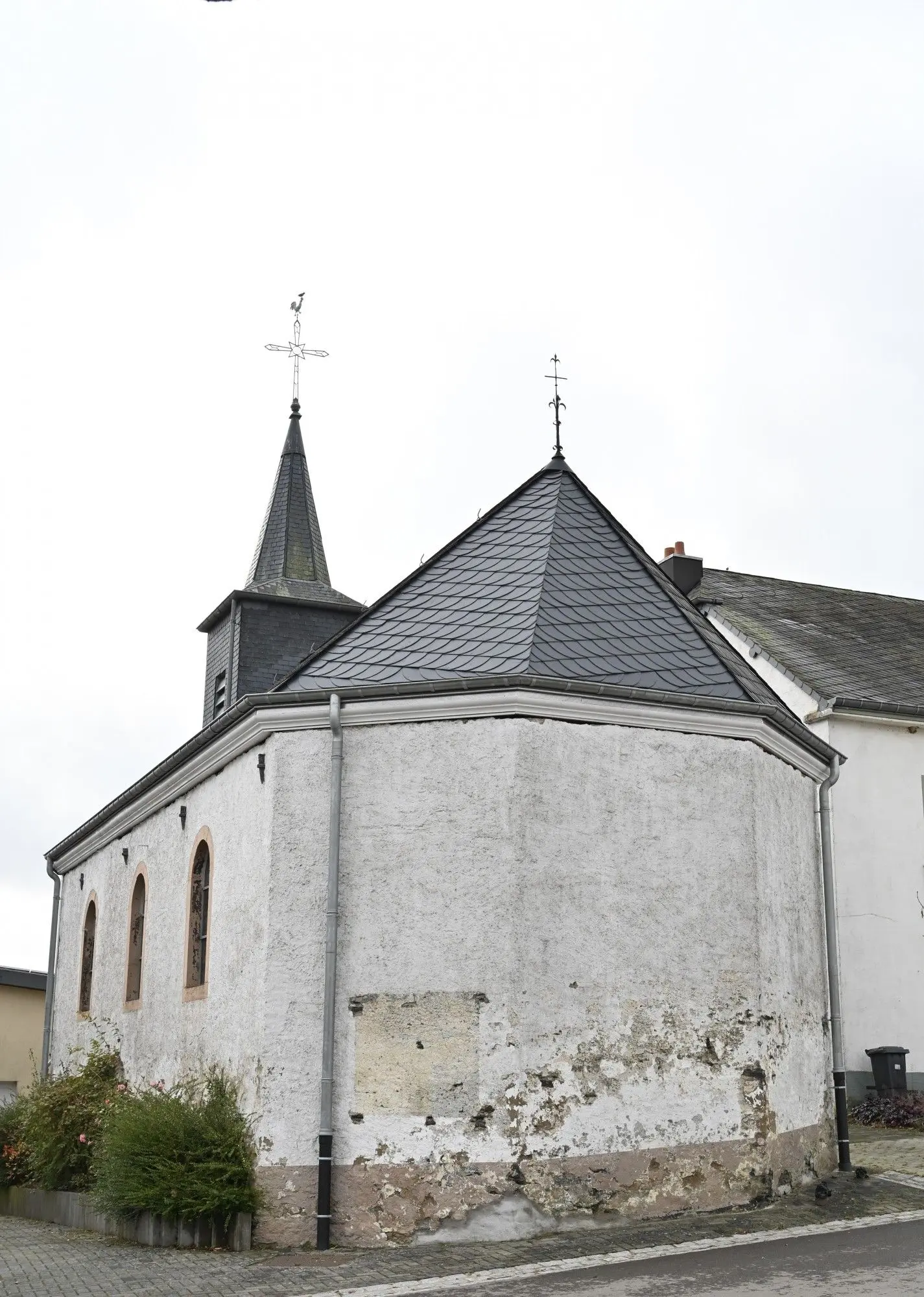
For centuries, Basbellain was a mother parish to which up to 14 villages belonged. It is not for nothing that the Luxembourgish name of the village is “Kierchen”. At the time of the French Revolution the nave was large enough to accommodate a congregation of 500 standing.
After the Second World War, new…
For centuries, Basbellain was a mother parish to which up to 14 villages belonged. It is not for nothing that the Luxembourgish name of the village is “Kierchen”. At the time of the French Revolution the nave was large enough to accommodate a congregation of 500 standing.
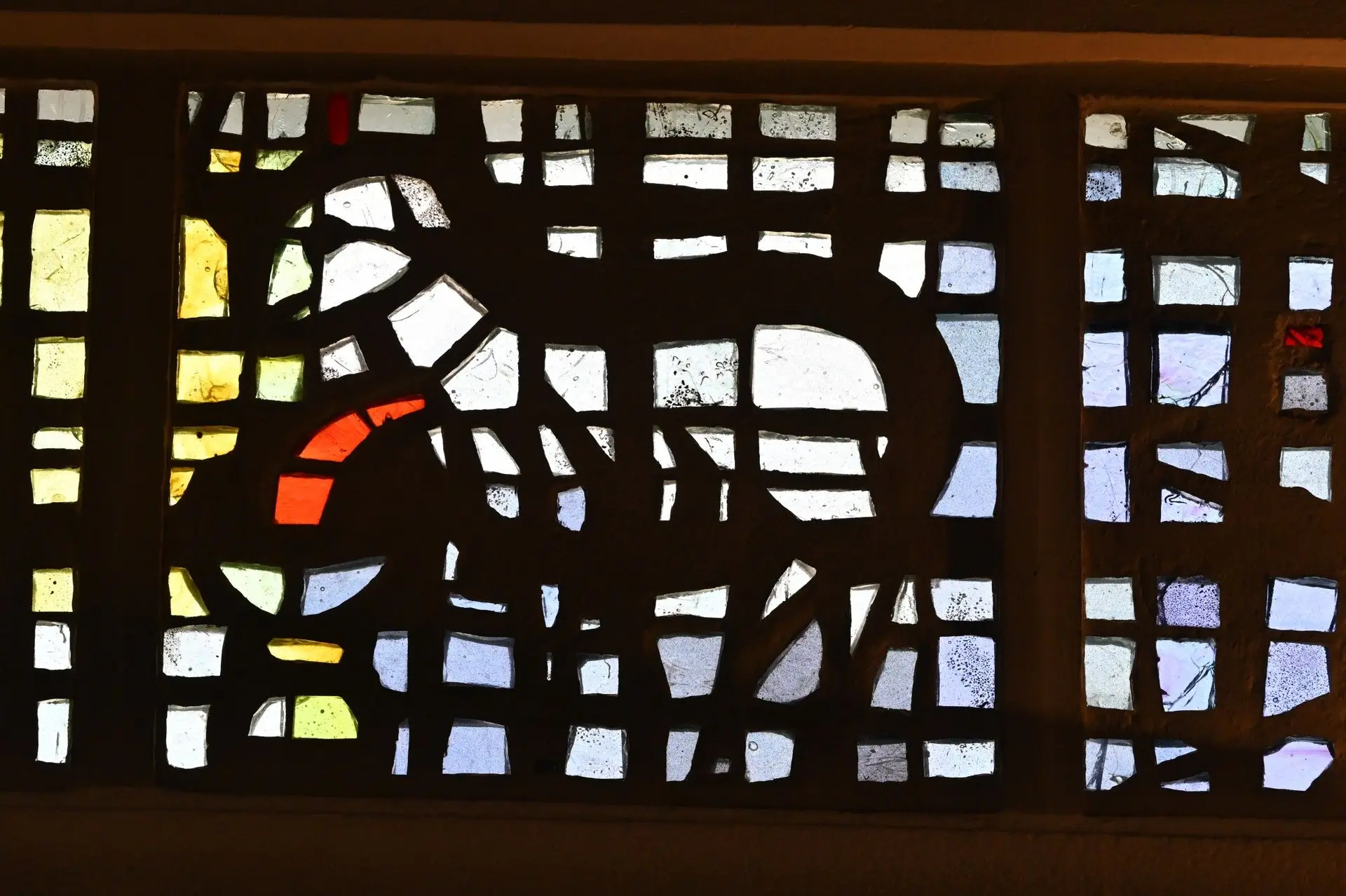
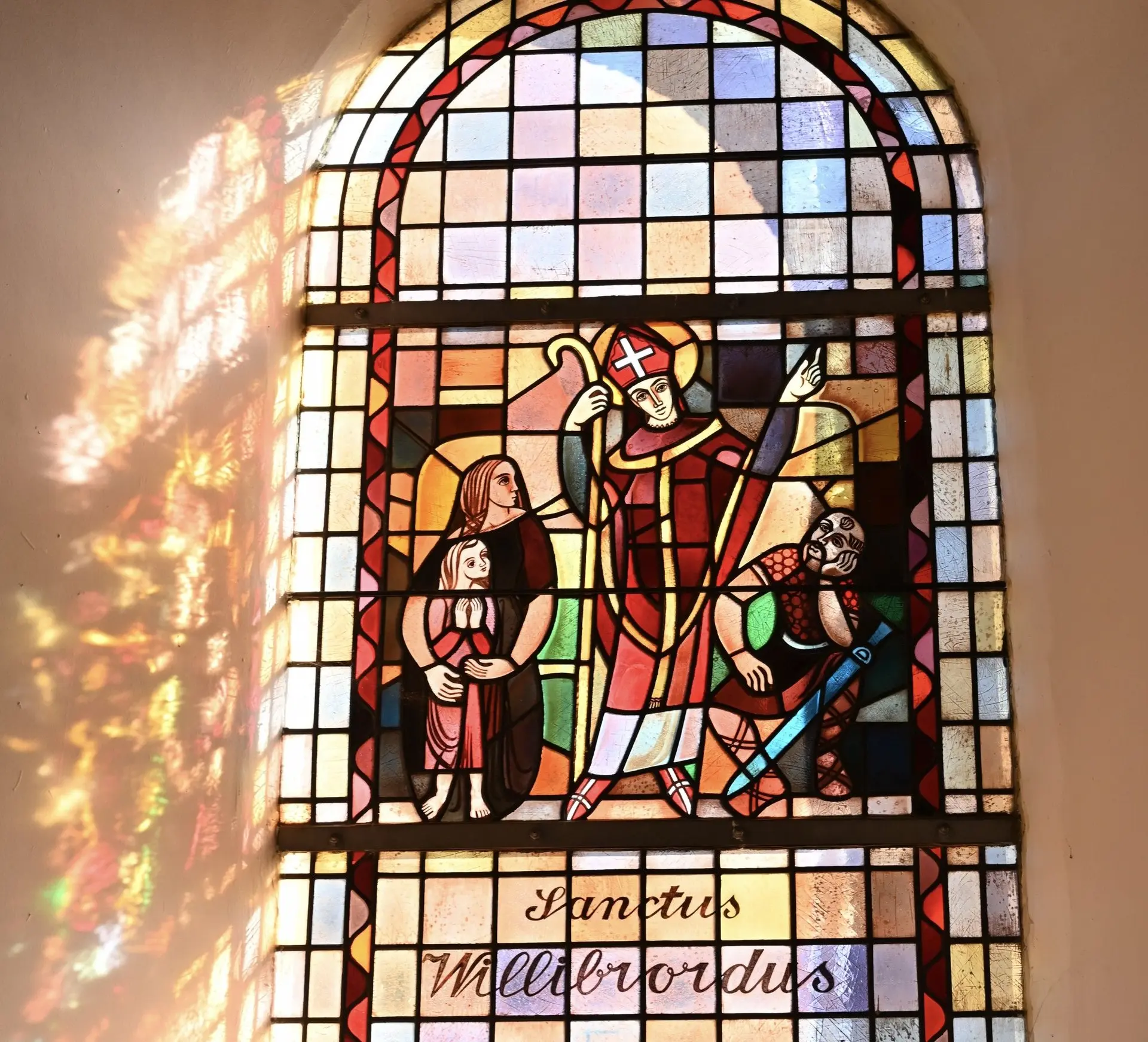
After the Second World War, new windows were installed. The first major renovations were carried out in the 1960s, and since 1991 it has been protected as a national monument, together with the cemetery.
Remarkable elements
The cemetery
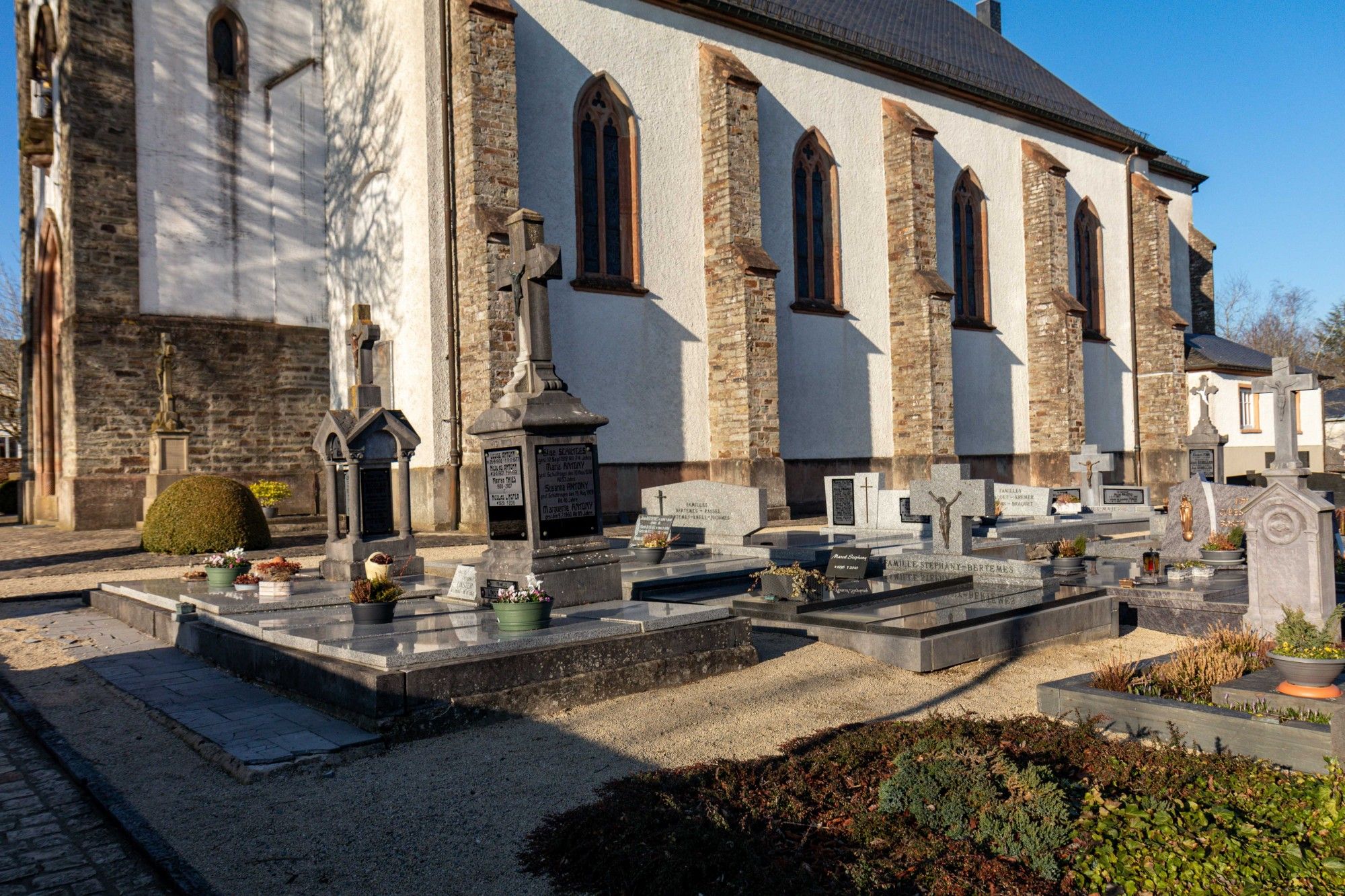
The large cemetery has 1000 years of history behind it. People from 14 villages have been buried…
The large cemetery has 1000 years of history behind it. People from 14 villages have been buried here over the centuries. There are valuable headstones and crosses, including the grave of three British pilots who lost their lives here in May 1940.
St. Michael
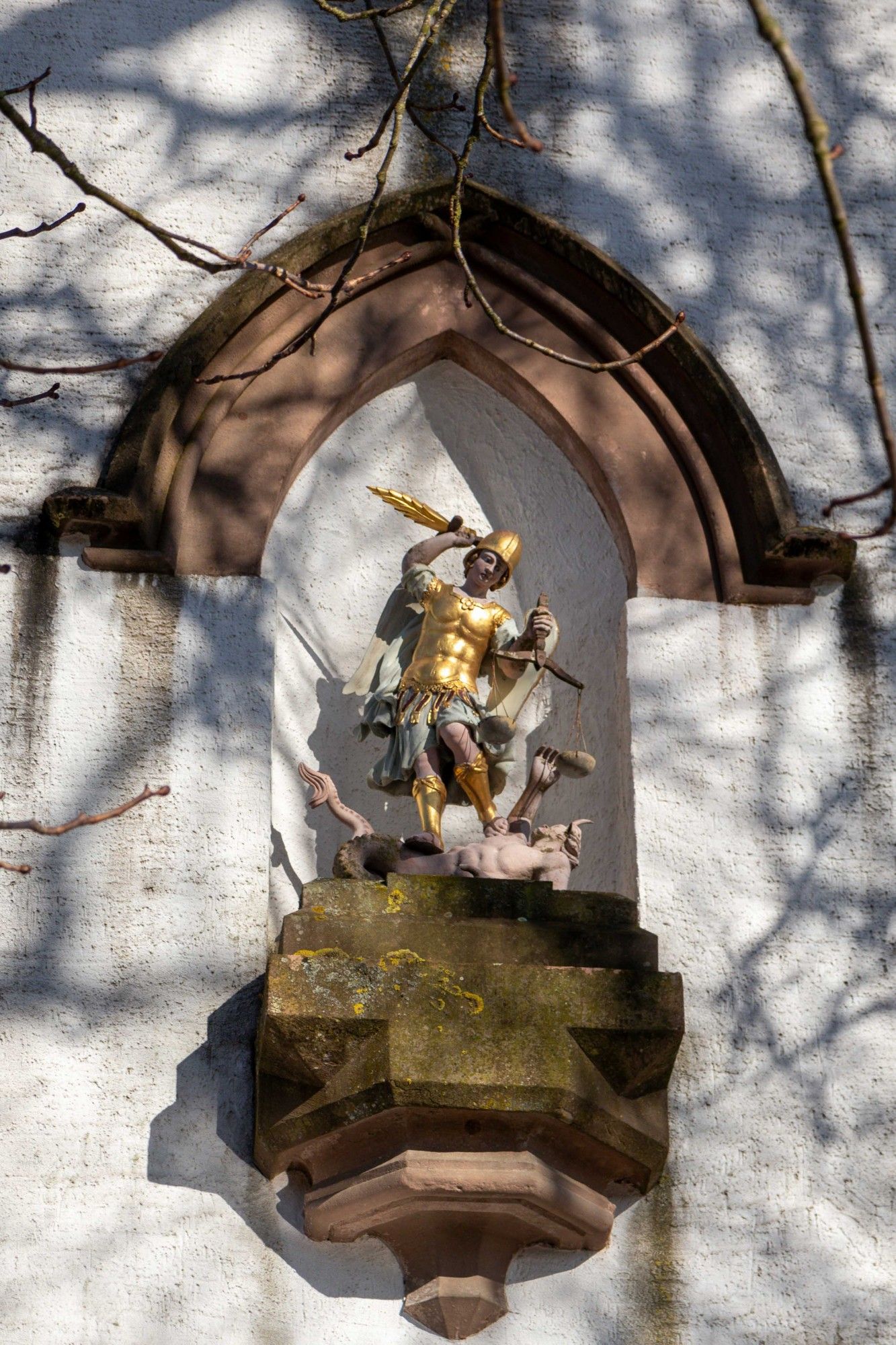
In a niche in the church tower is a statue of the patron saint of the church, the archangel…
In a niche in the church tower is a statue of the patron saint of the church, the archangel Michael. As patron of the dead and conqueror of evil (see the devil at his feet), he accompanies human souls after death and gives them protection on their journey to the afterlife.
The baptismal fonts
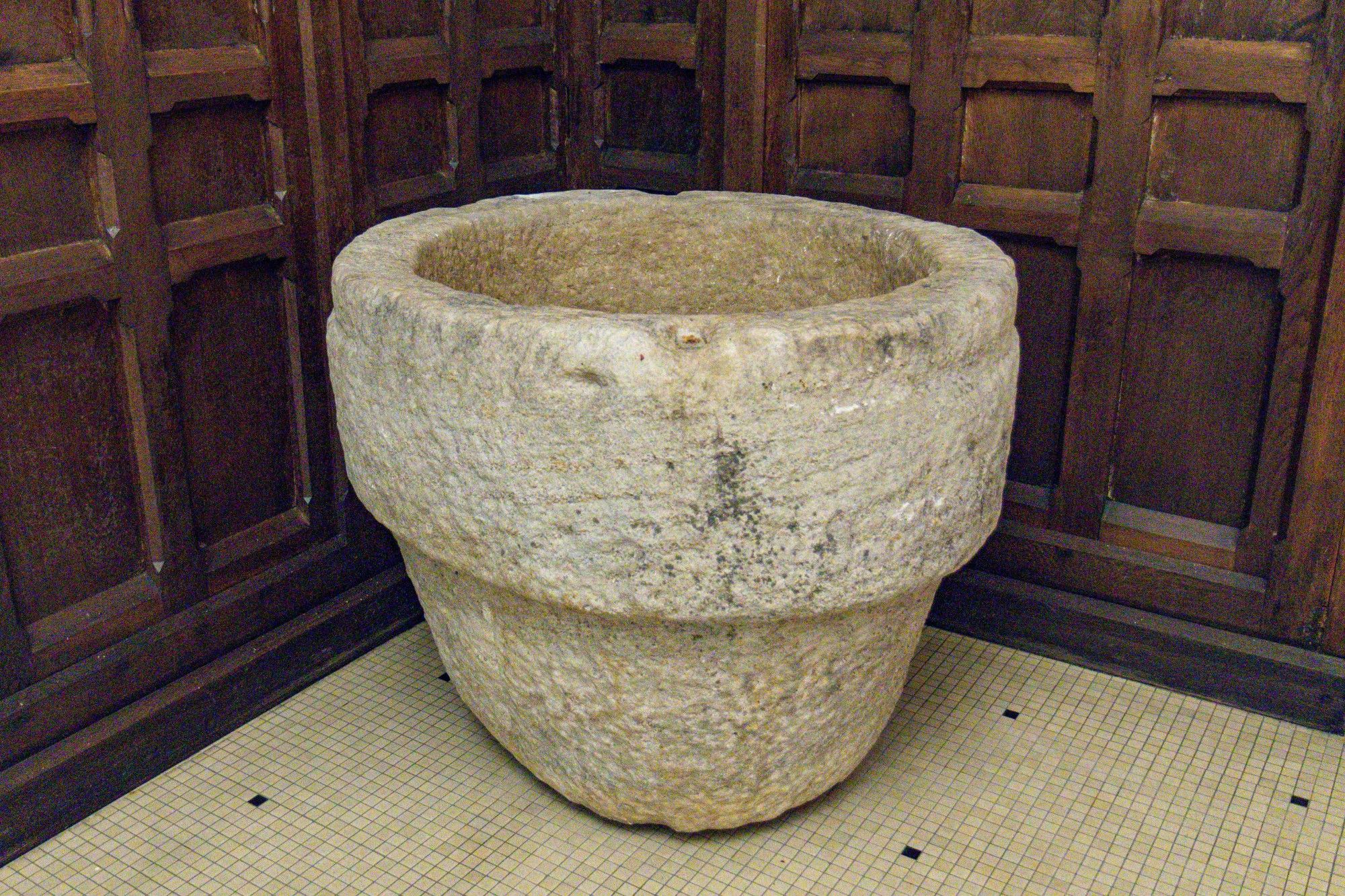
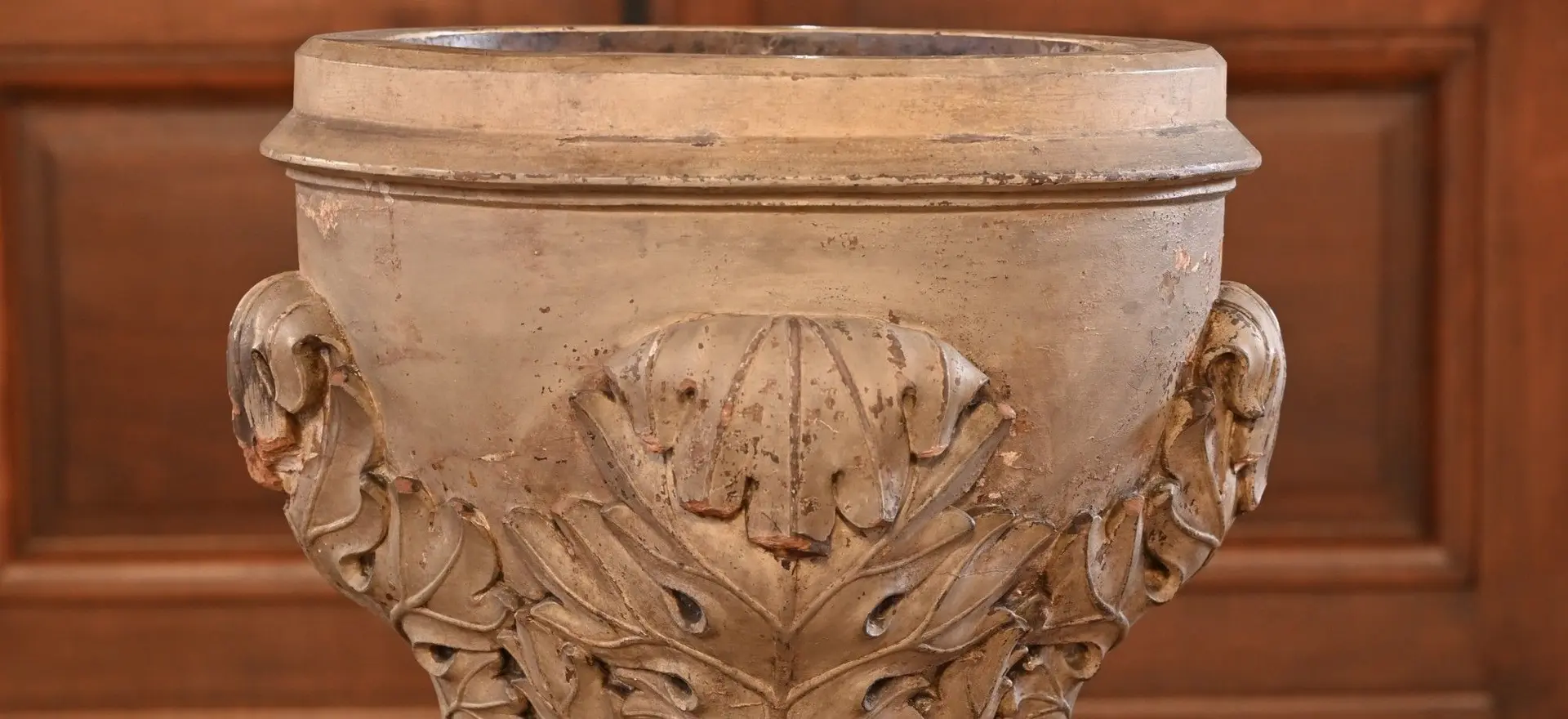
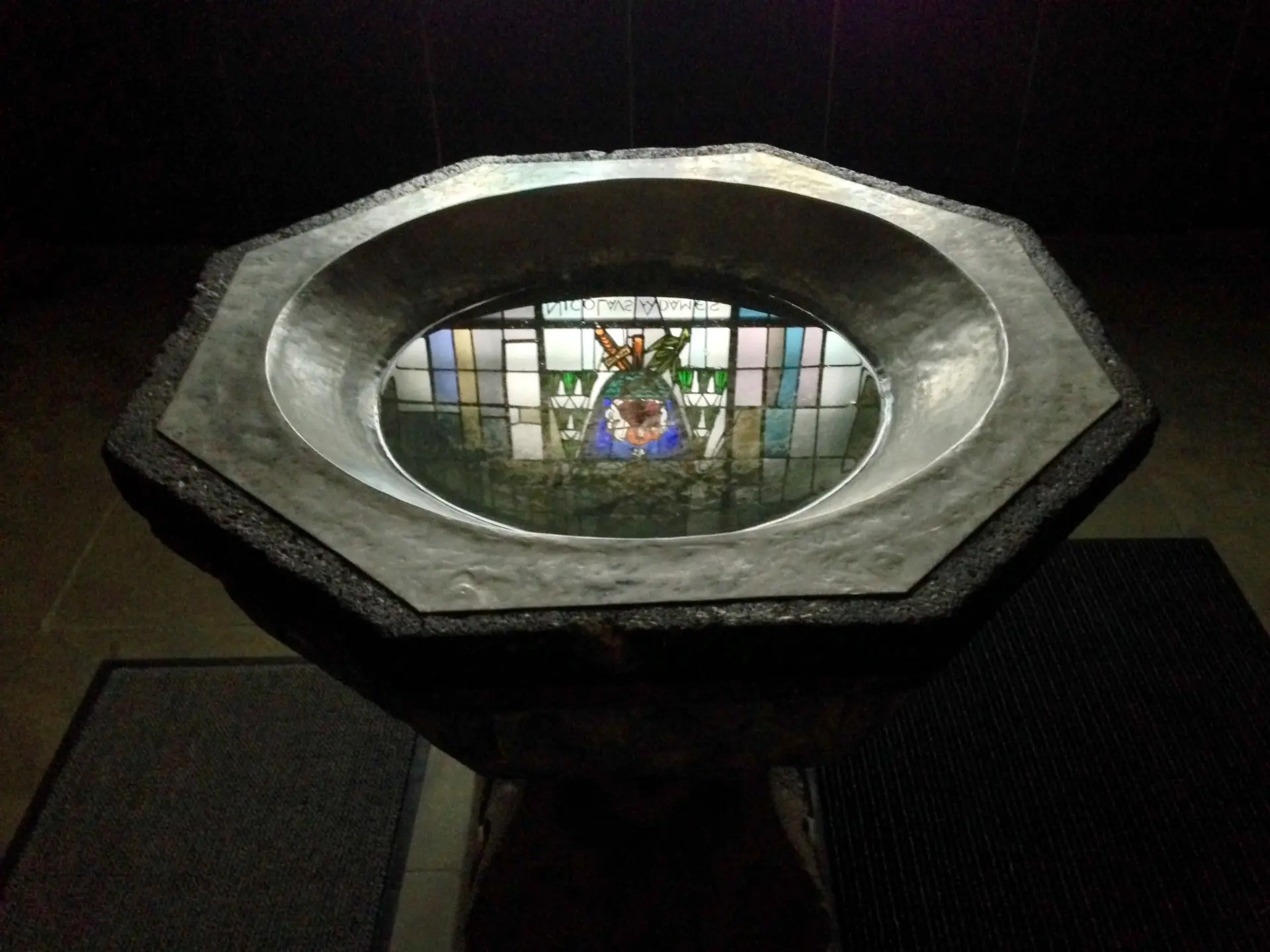
This stone font is over 1000 years old and probably comes from a Roman memorial column or…
This stone font is over 1000 years old and probably comes from a Roman memorial column or boundary stone that has been hollowed out and given a Christian purpose.
The high altar
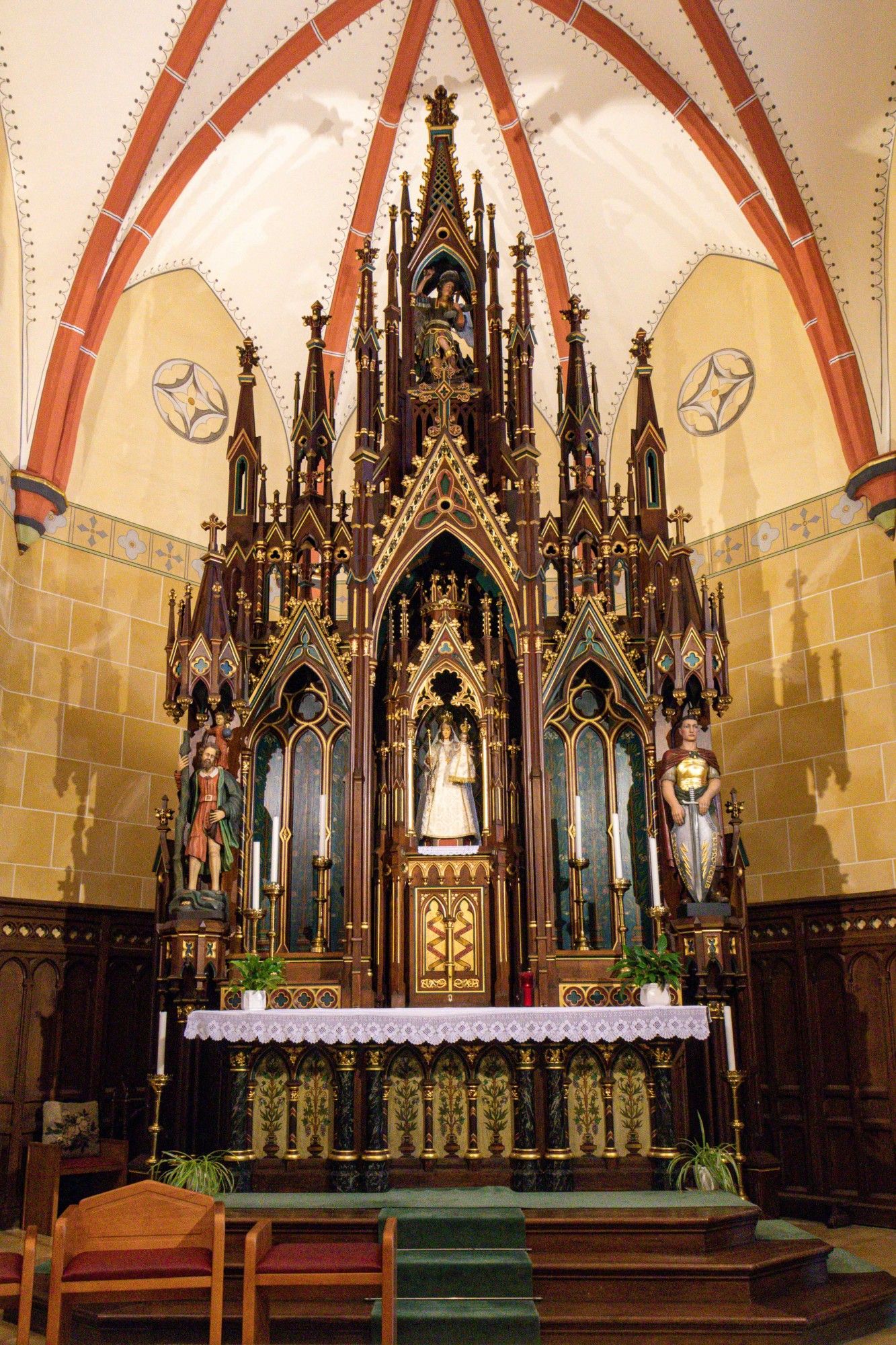
The desire to reflect the neo-Gothic architectural style in the interior decoration led to the…
The desire to reflect the neo-Gothic architectural style in the interior decoration led to the sale of the valuable Baroque altar of the previous church and the commissioning of a new altar. Its form is reminiscent of the spires of a Gothic cathedral (parts of the elaborate carvings are decorated with gold leaf).
St. Joseph
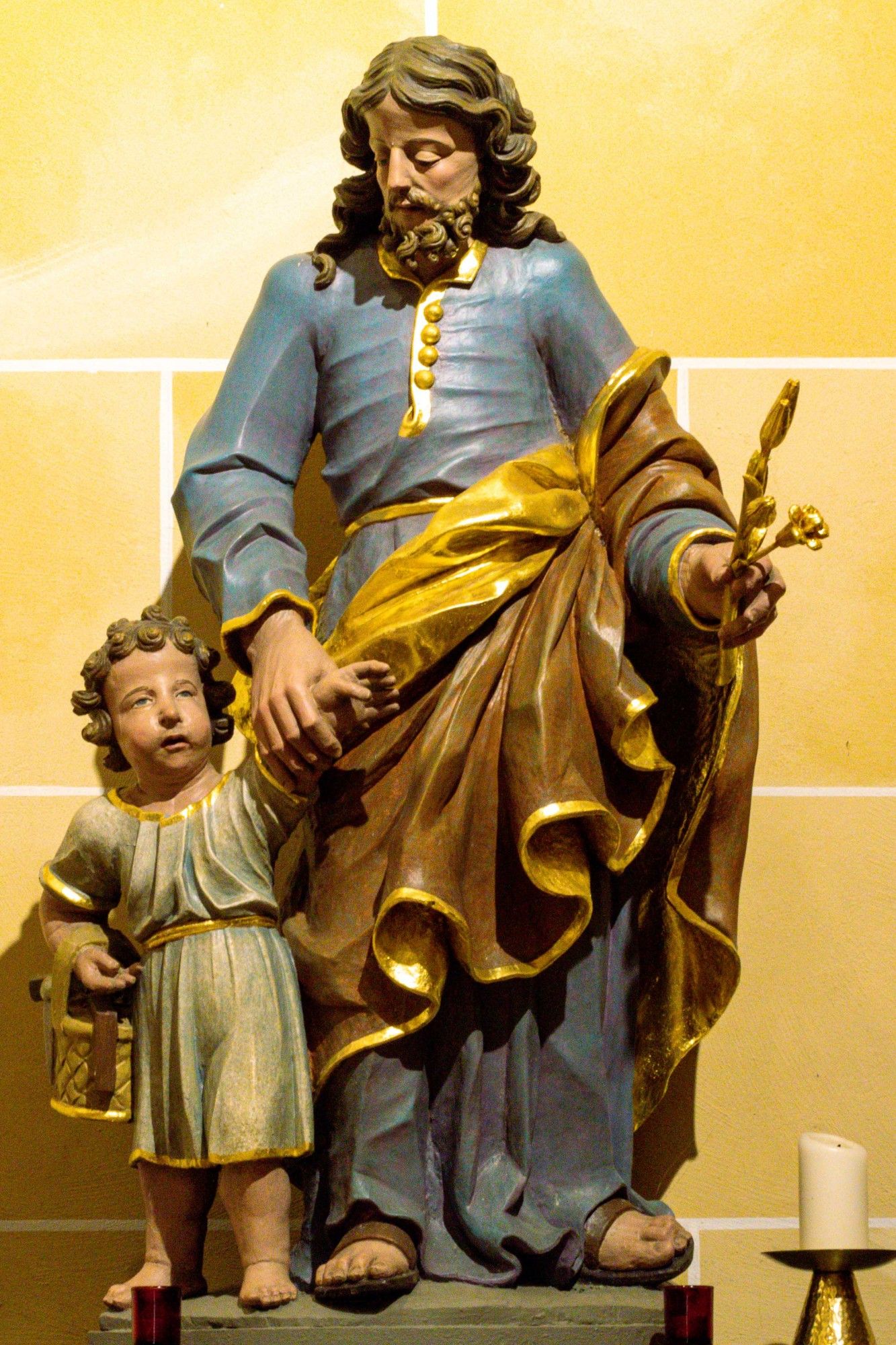
Carved in oak around 1700, these figures by Jean Pecourt (d. 1725 in Houffalize) show St Joseph…
Carved in oak around 1700, these figures by Jean Pecourt (d. 1725 in Houffalize) show St Joseph and his adopted son Jesus in an affectionate pose. The lily symbolises chastity and the basket of tools stands for Joseph's trade as a carpenter as well as presaging Jesus' crucifixion.
The stained glass windows
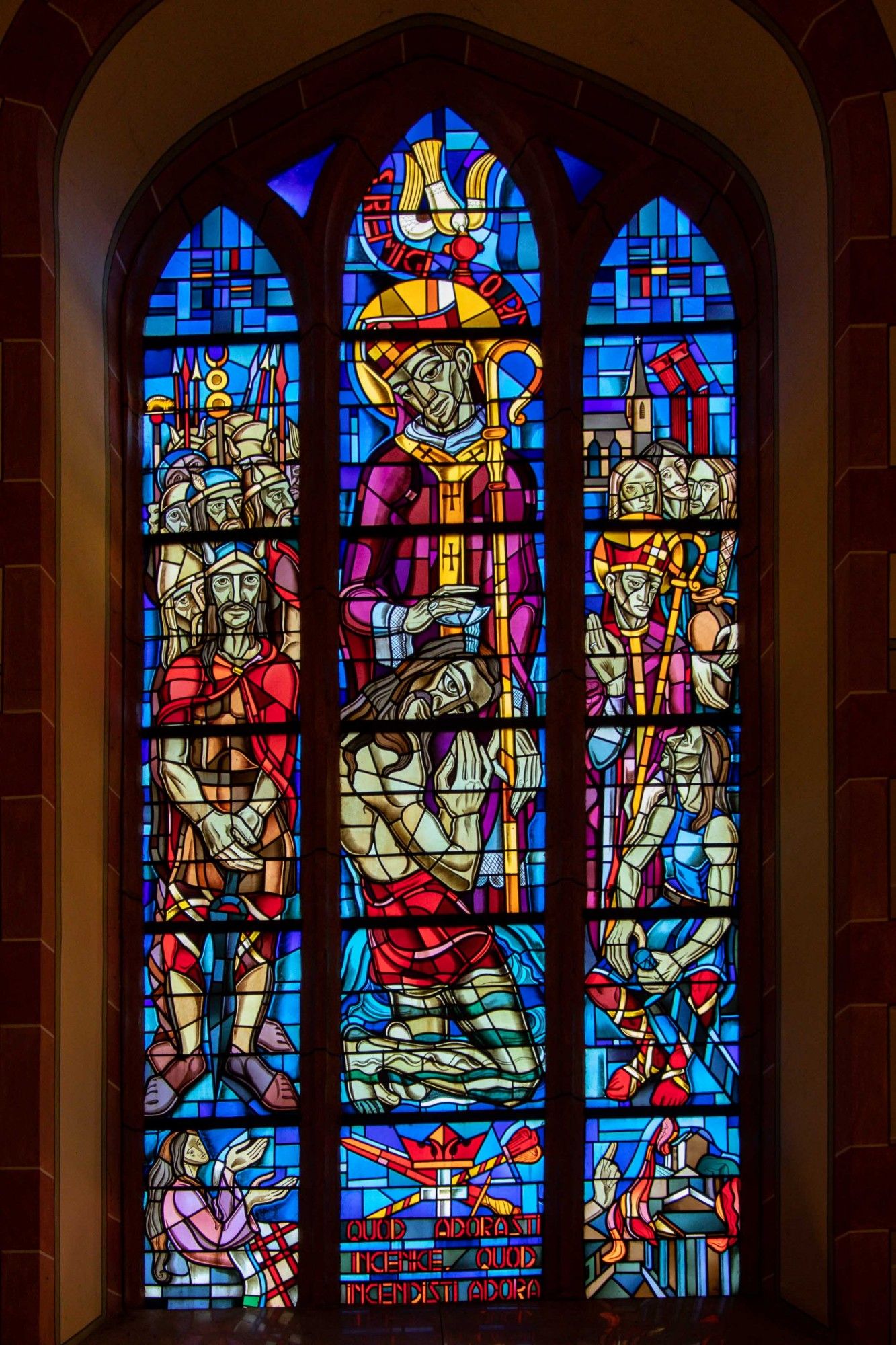
The church's stained-glass windows were made by the Luxembourg artist Gustav Zanter in 1946. The…
The church's stained-glass windows were made by the Luxembourg artist Gustav Zanter in 1946. The choir window shows Remigius, the second patron saint of the church, baptising the Frankish king Clovis and his retinue around the year 500 (above the head of the bishop of Rheims a dove hovers, bringing the vial of anointing oil with which all French kings were later anointed).
Labels

Hours
Closed
Nearby buildings
Tours associates


Comments (0)