
Sint James the Great
Building profile
Historic/listed monument
Practical information


 © Églises Ouvertes
 © Églises Ouvertes
 © Églises Ouvertes
 © Églises Ouvertes
 © Églises Ouvertes
 © Églises Ouvertes
 © Églises Ouvertes
 © Églises Ouvertes
About this building
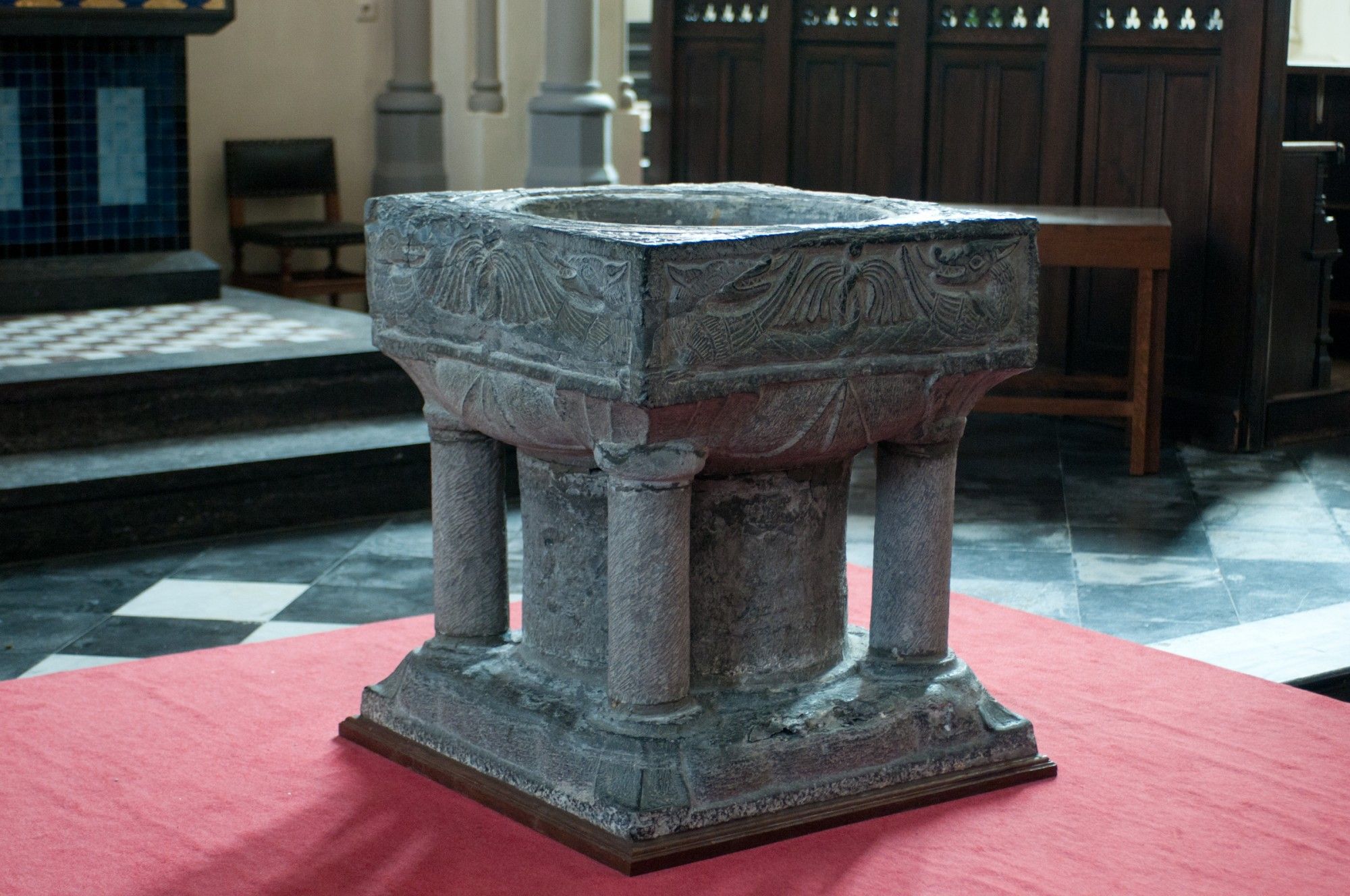
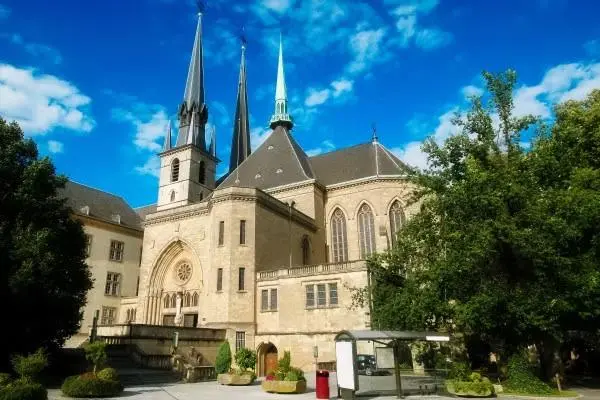
This Neo-Gothic church was built in 1876-79, replacing an older church. The oldest record of a church in Lichtervelde dates back to 1197. The only element that remains of centuries of history is the Roman font in Tournai stone (12th century), which is richly decorated with fantastical representations of animals.
The tower and a big part of the nave were bombarded at the German withdrawal in 1918, but were reconstructed in 1922-23. Initially the church was surrounded by buildings, but those were removed in the 20th century. Today we can find little…
This Neo-Gothic church was built in 1876-79, replacing an older church. The oldest record of a church in Lichtervelde dates back to 1197. The only element that remains of centuries of history is the Roman font in Tournai stone (12th century), which is richly decorated with fantastical representations of animals.
The tower and a big part of the nave were bombarded at the German withdrawal in 1918, but were reconstructed in 1922-23. Initially the church was surrounded by buildings, but those were removed in the 20th century. Today we can find little chapels of the procession of Saint Margaret and a memorial column for military and civil victims of both World Wars around the church.
Above the entrance stands Christ as a teacher, surrounded by Saint Margaret and James the Great. This sculpture was made by Karel Lateur, brother to author Stijn Streuvels.
Up until World War I the church was richly painted on the inside. However, the interior was repainted in a much more sober style after the war. We can still find the Twelve Apostles and some saints in the nave and choir.
The monumental, neo-baroque pulpit was made by sculptor J.B. Van Biesbrouck of Ghent and marble worker Sarot (Tielt).
Sources :
Inventaris voor het onroerend erfgoed: https://inventaris.onroerenderfgoed.be
www.heiligen.net
KIKIRPA : Photo-library online
Remarkable elements
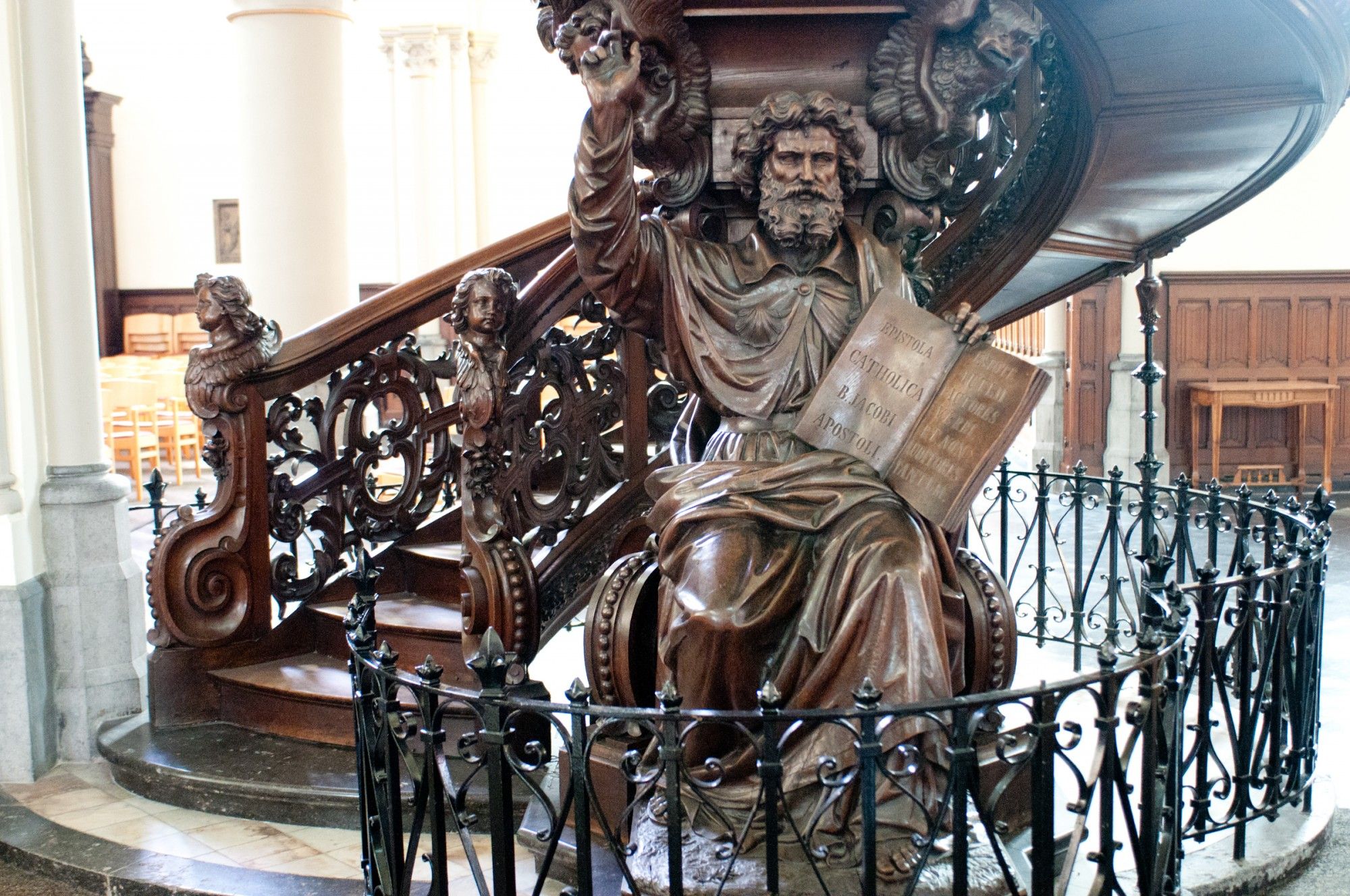
Pulpit
The monumental neo-baroque pulpit from 1863 was made by sculptor J.B. Van Biesbrouck from Ghent…
The monumental neo-baroque pulpit from 1863 was made by sculptor J.B. Van Biesbrouck from Ghent and the Tielt marble-worker Sarot.
At the bottom, one can see a sculpture of a sitting James with a book in his hand. The top is adorned with a monumental sculpture of Saint Margaret. On the side panels of the pulpits one can find an extra 3 images of her life. On the four lower corners, there are the symbolic heads of the four evangelists each with a shield above them with a quote from the relevant gospel.
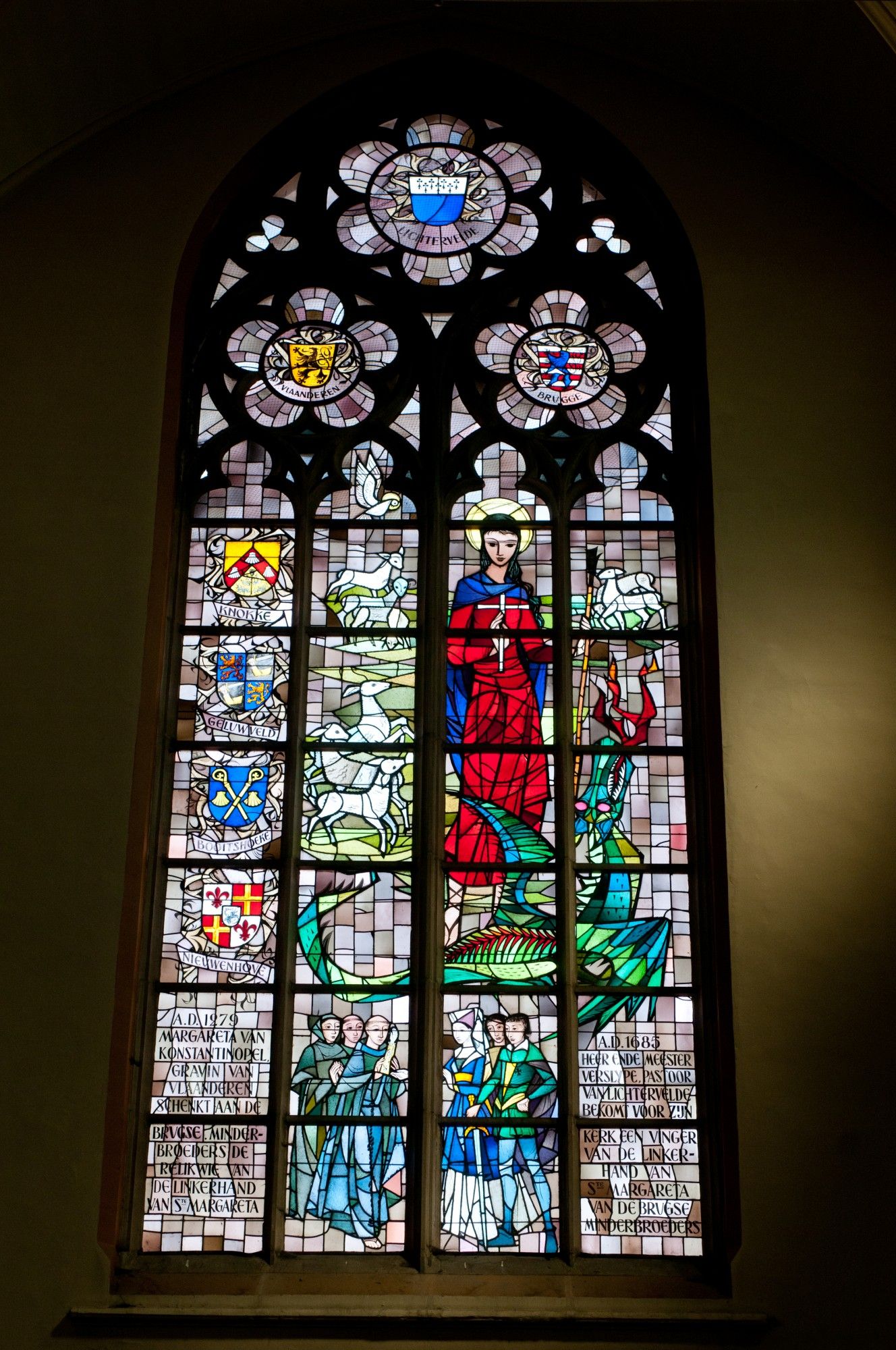
Stained-glass window of Saint Margaret (1959, Rogier Vandeweghe)
In the left transept stands the large stained-glass window of Saint Margaret. Shown in warm red…
In the left transept stands the large stained-glass window of Saint Margaret. Shown in warm red and blue tones, she defeats the dragon, symbol of evil and sin. A white dove represents her purity. The window also features the shields of Knokke, Geluwveld, Booitshoeke and Nieuwenhove, as well as the coats of arms of Flanders, Bruges and Lichtervelde. At the bottom, Countess Margaret presents a relic of the saint to the Bruges Friar Minors.
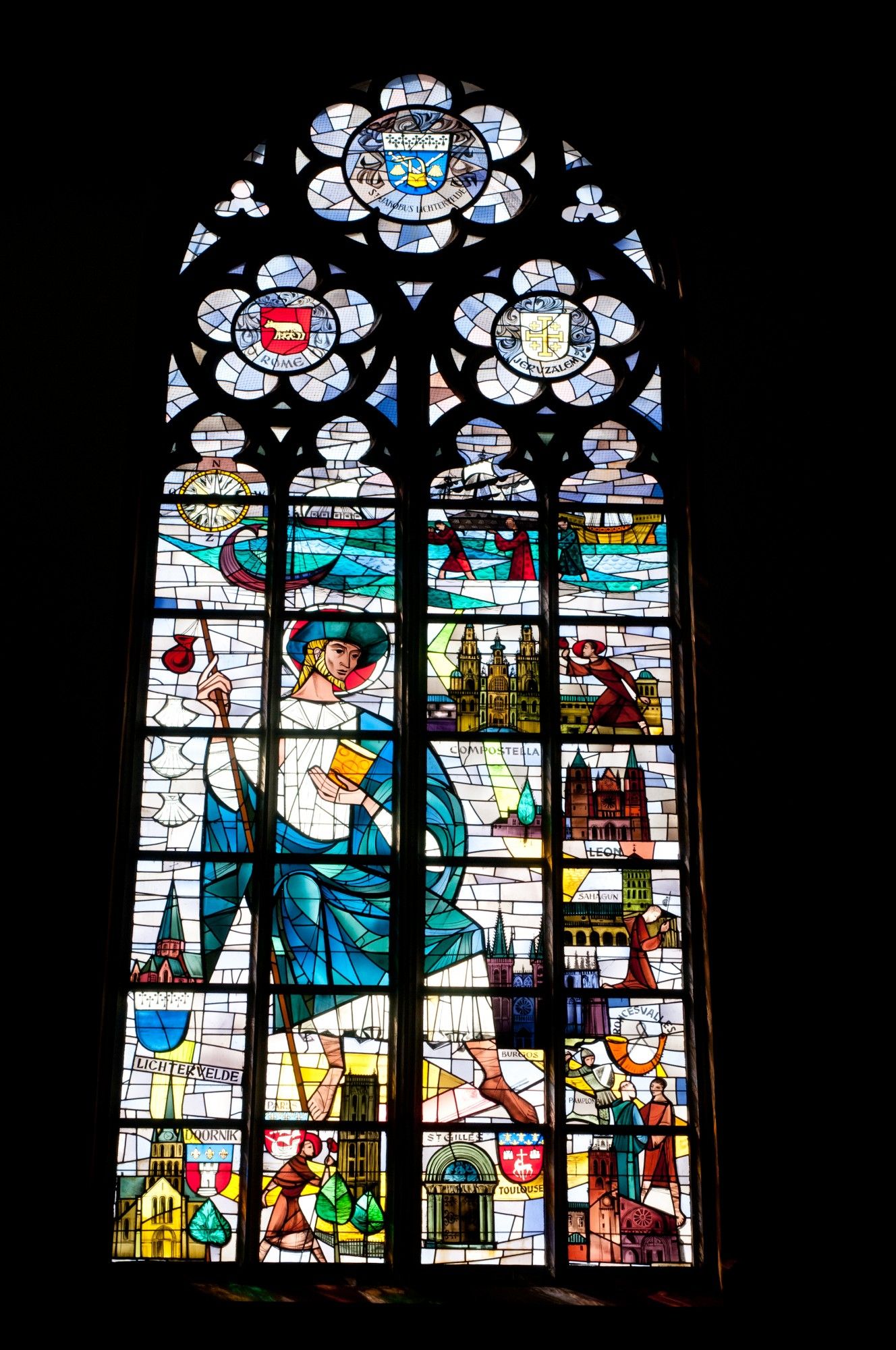
Stained-glass window of St James
In the right transept stands the large stained-glass window of Saint James. It celebrates the…
In the right transept stands the large stained-glass window of Saint James. It celebrates the saint and the pilgrimage to Santiago de Compostela. Saint James is portrayed as a pilgrim in blue and light purple tones, with his traditional attributes. Three scallop shells, symbols of Compostela pilgrims, appear on the window. At the top are the shields of Lichtervelde, Jerusalem and Rome. A yellow line traces the pilgrimage route from Bruges to Santiago, marking its principal towns and stops.
Font
The Romanesque baptismal font, dating from the 11th or 12th century, is one of the four oldest…
The Romanesque baptismal font, dating from the 11th or 12th century, is one of the four oldest in Belgium. Carved from Tournai blue stone, it rests on a central pillar surrounded by four smaller columns. The basin is decorated with palms, Greek crosses and dragon motifs. In 1918, it was buried beneath the rubble of the dynamited church tower. After restoration in Bruges, it was returned to the church. Today, it stands in the baptistery near the altar dedicated to Mary.
The pipe organ
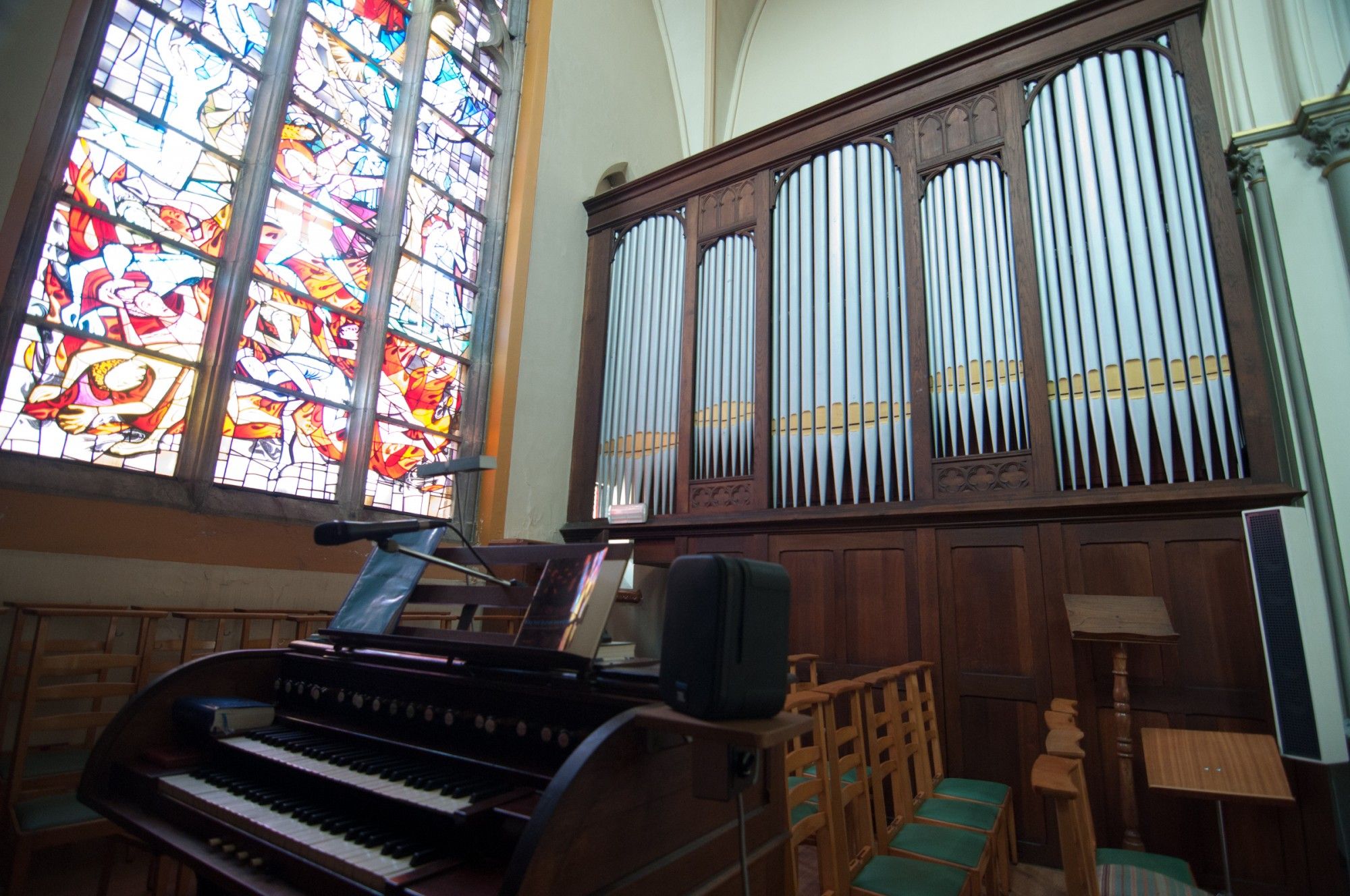
The pipe organ from 1926 of Jules Anneessens-Tanghe from Menen.
The pipes that we can see…
The pipe organ from 1926 of Jules Anneessens-Tanghe from Menen.
The pipes that we can see from inside the church are decorative pipes. The real sound pipes are made of lead and are located behind the decorative pipes.
Murals
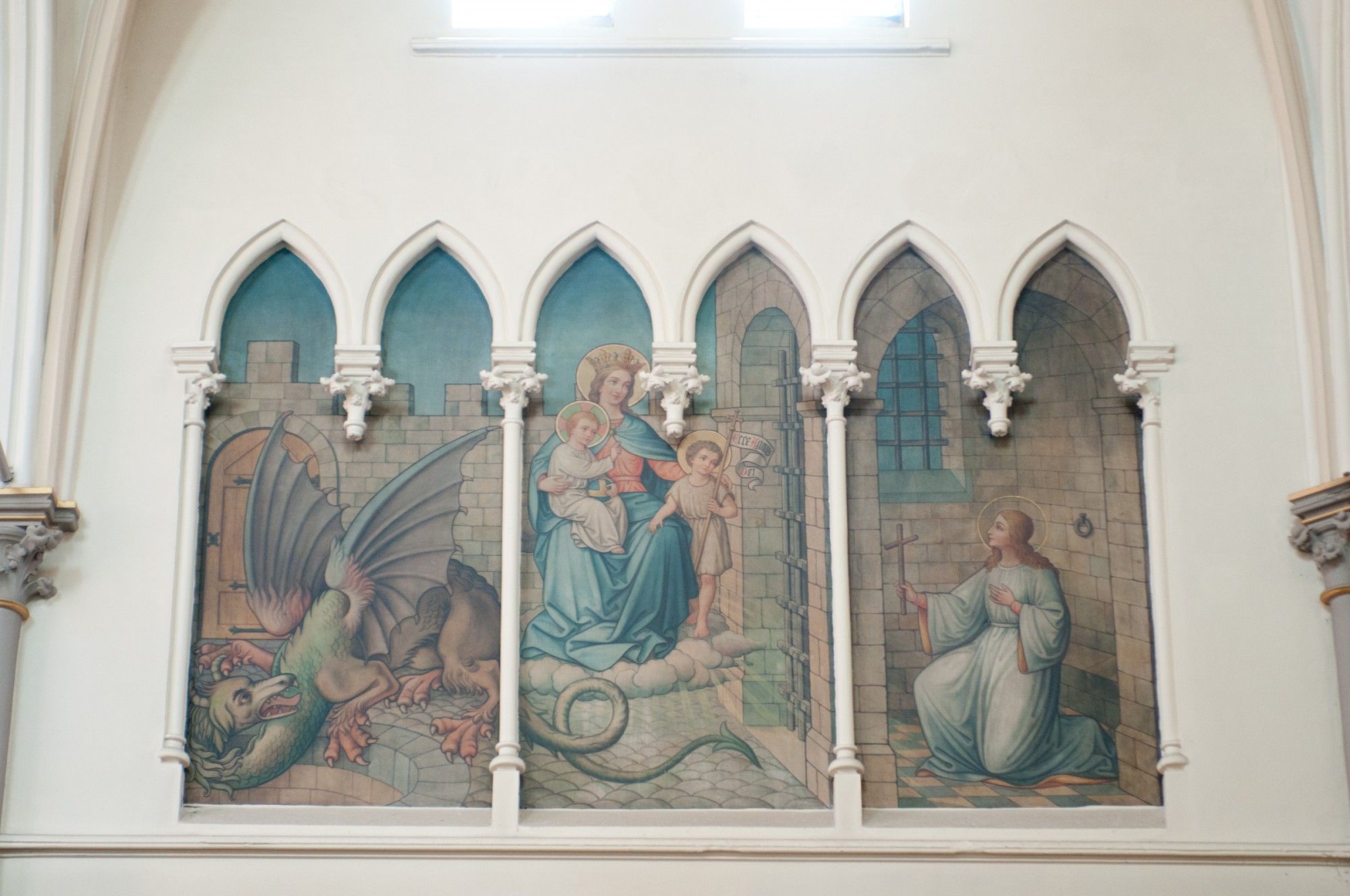
The murals were placed in 1910 and were painted by L. Bresssers. They depict some scenes from…
The murals were placed in 1910 and were painted by L. Bresssers. They depict some scenes from the Old and New Testament. Next to these murals there are also murals with scenes from the life of Saint Margaret, as well as images of saints in the pseudotriforium of the ship and transepts. In the apse, one can also find images of the 12 apostles.
Pilgrimage paths
This building sits on the following pilgrimage routes
Labels

Medias
To find out more
Hours
Closed
Religious services
Kerknet
Nearby buildings


Comments (0)